Thank you for your interest in this story
To continue reading this article, subscribe to the Stray Ferret for as little as £1 a week
Already a subscriber? Log in here.
27
Sept 2025
Sunday Picture Quiz Answers: September 27

Here are the answers to this week's Sunday Picture Quiz. How well did you do?
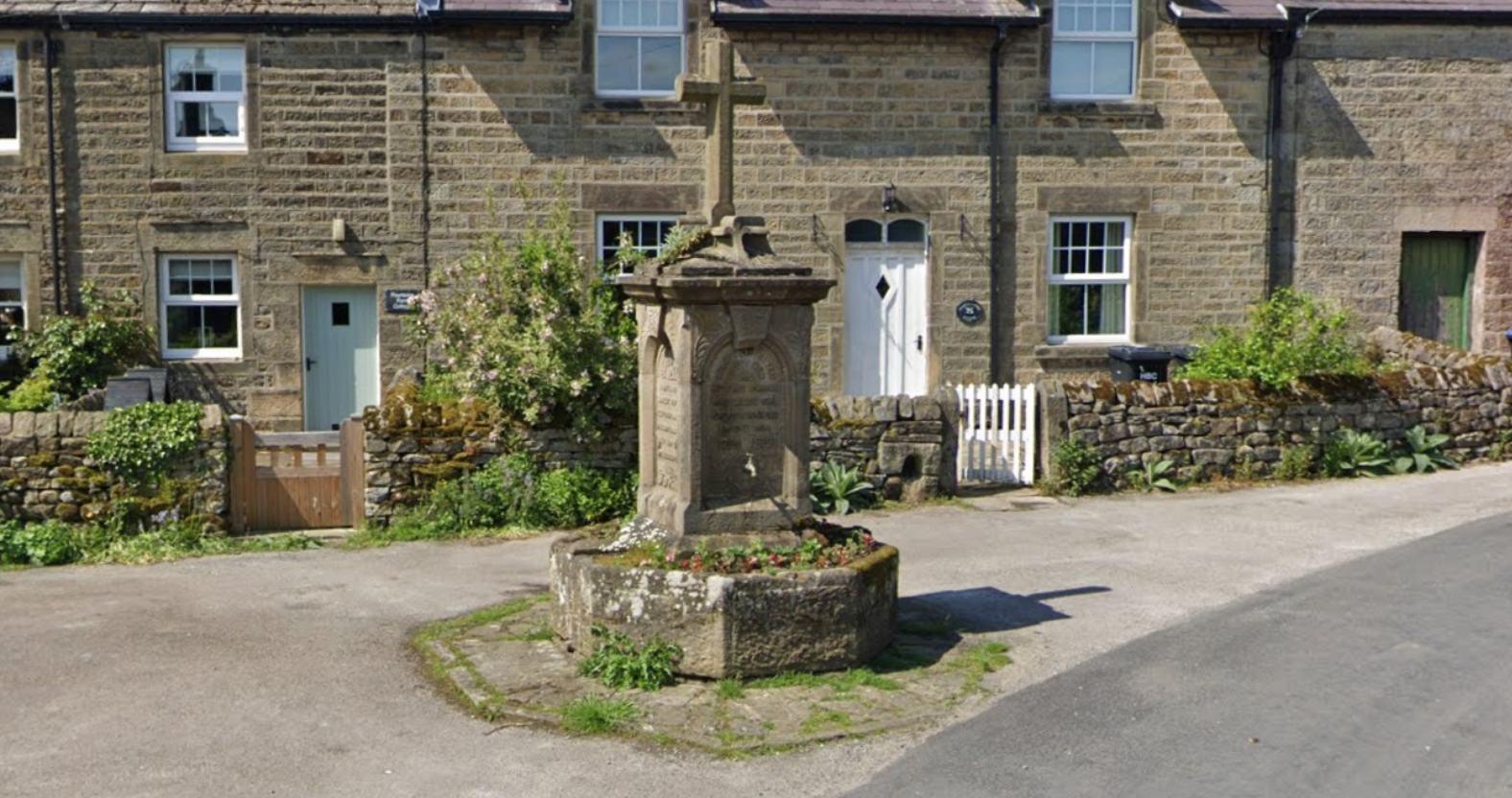
1. War memorial and water fountain, Lofthouse
This octagonal roadside water trough is thought to have been built in this upper Nidderdale village in the 18th or 19th century, but after the First World War, a monument was erected on top, with taps and a cross.
The inscription carved into its stone says that it was "erected in memory of the men of this parish who made the great sacrifice in the war, 1914-19".
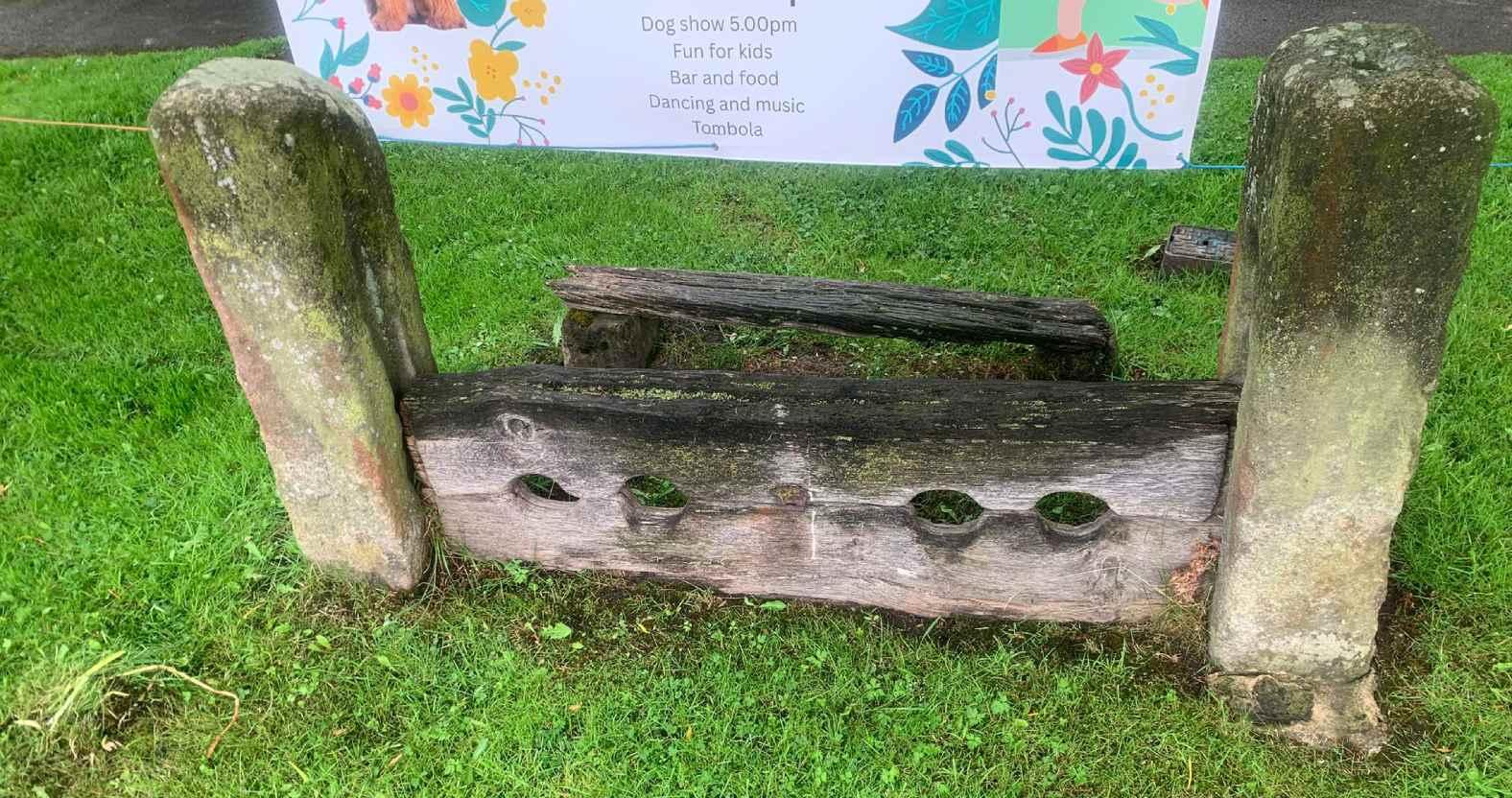
2. The stocks at North Rigton
According to Historic England, these village stocks probably date from the 17th century. They were restored in 1930 and 1960.
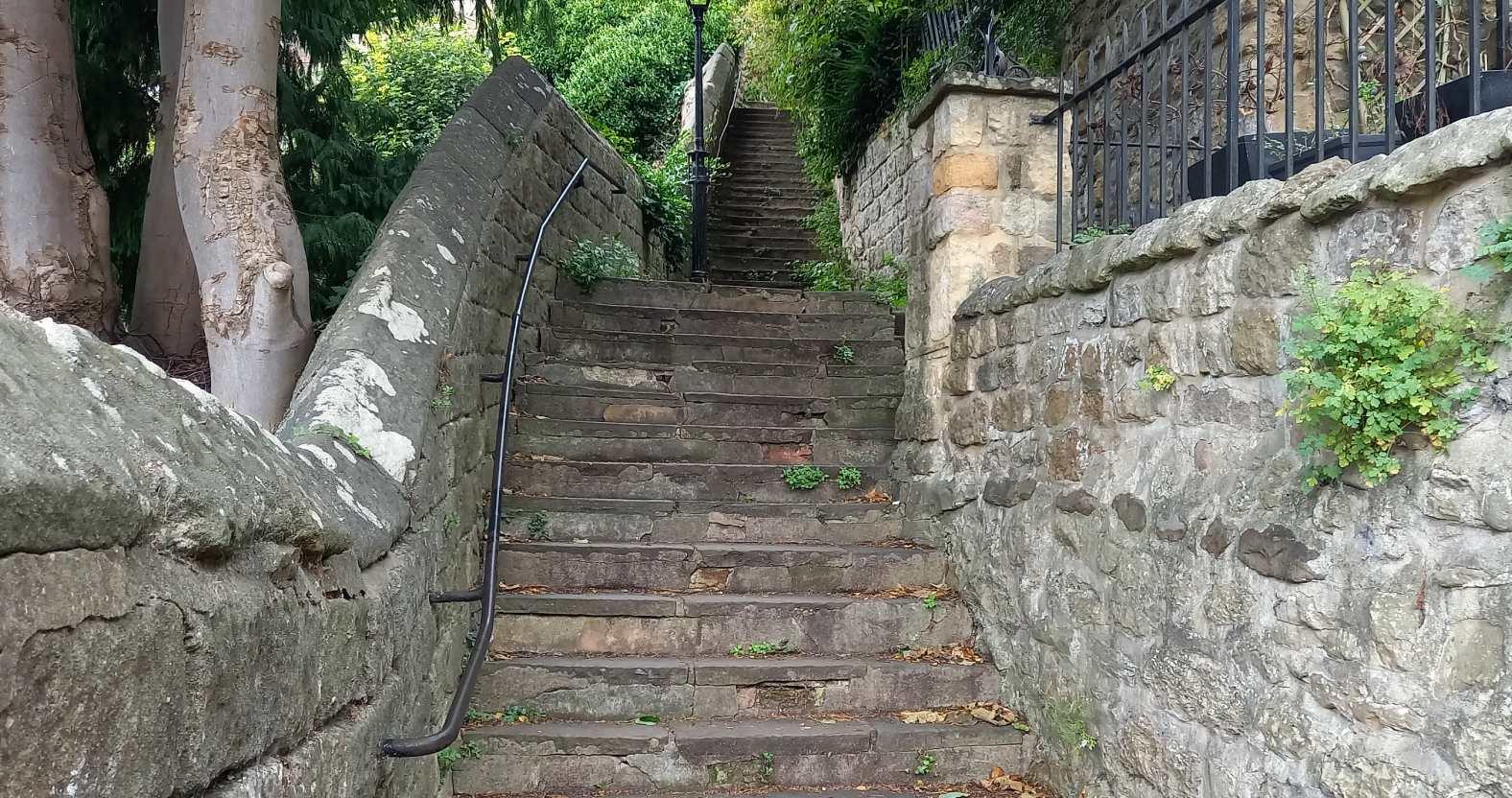
3. Gallons Steps, Knaresborough
These 96 grade II listed stone steps link Kirkgate, just near Knaresborough railway station, with Waterside.
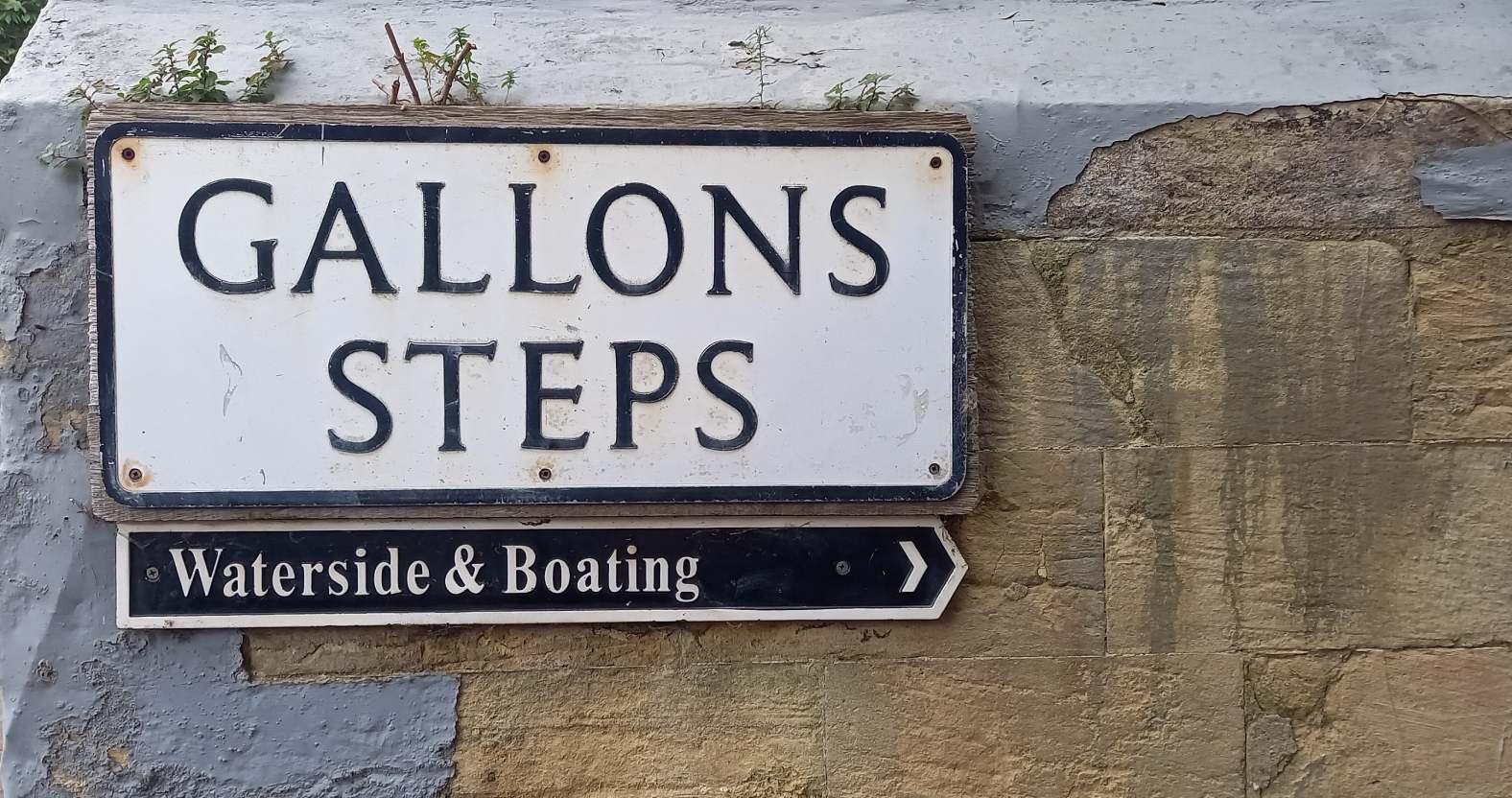
The sign at the top of the steps on Kirkgate.
According to their official Historic England listing, the steps appear to have been named after Richard Gallon, who kept the Nidd pavilion in 1822.
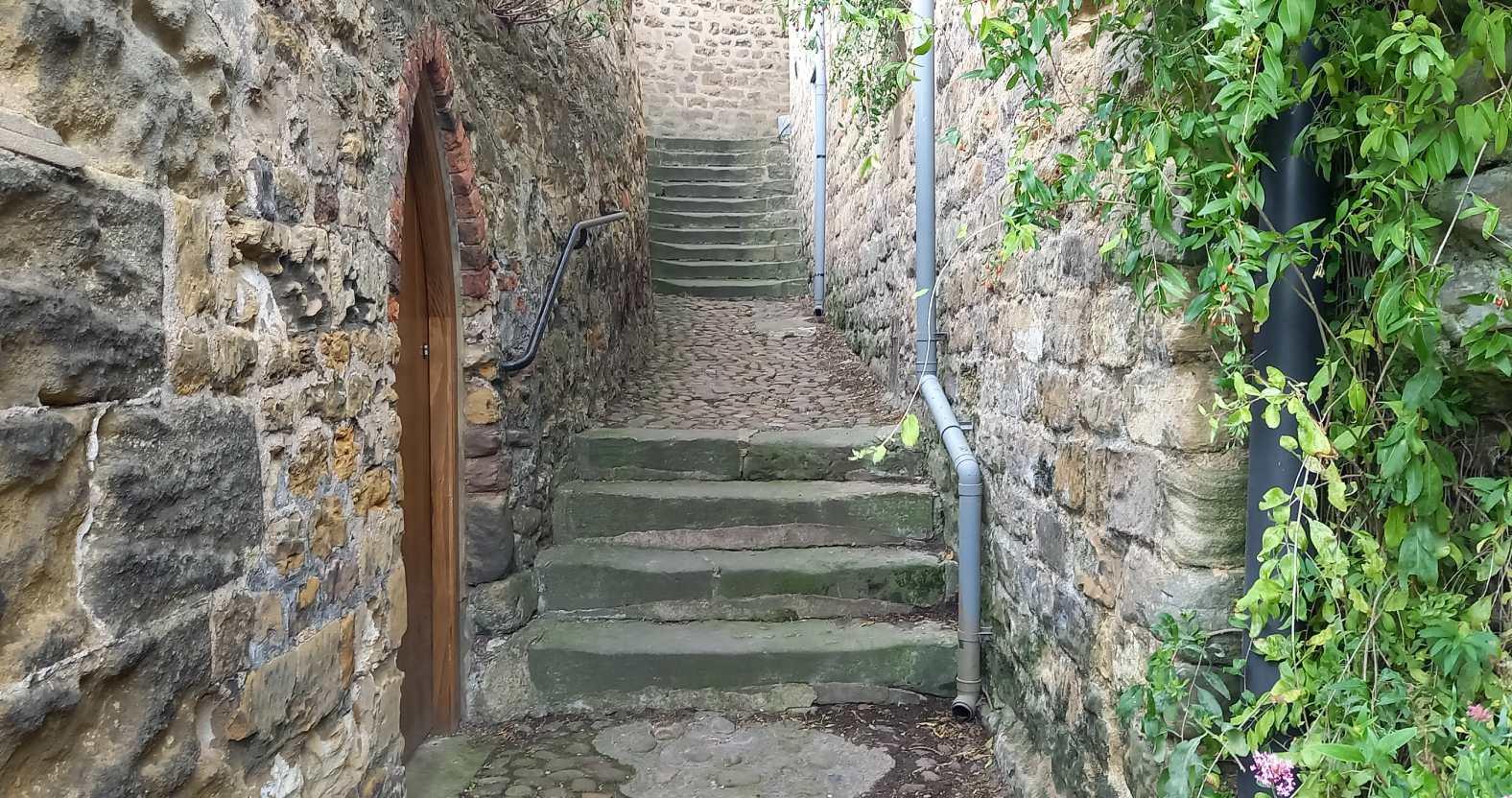
Towards the top of Gallons Steps in Knaresborough.
They are also recorded as Factory Steps, and the 1851 Ordnance Survey map shows a linen factory built against the cliff face about halfway along their line. The lamp posts were probably first erected when the town was lit by gas in 1824, and were restored in the 1980s.
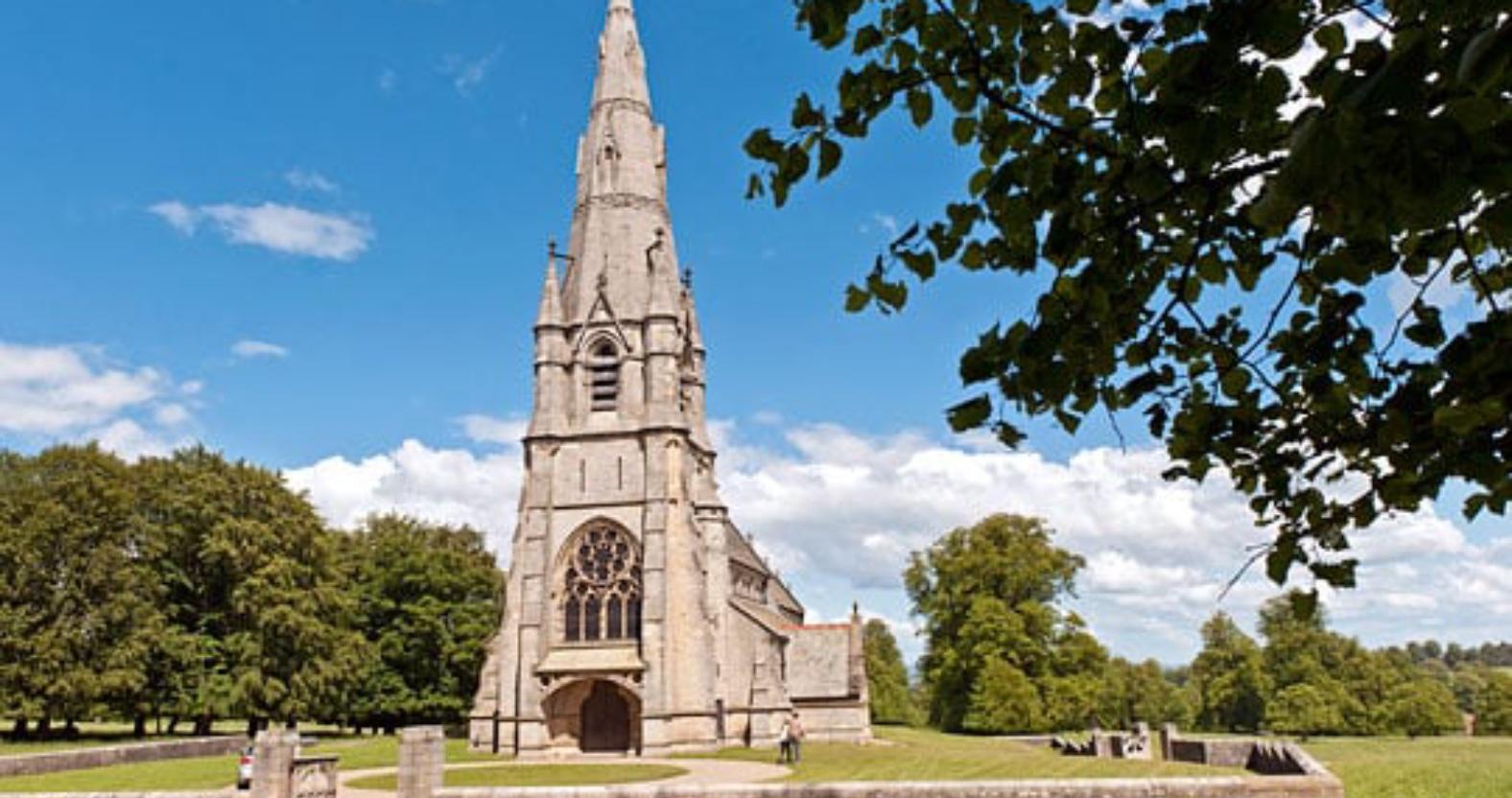
Photo: English Heritage.
4. St Mary's Church, Studley Royal
This magnificent church is one of the finest examples of High Victorian Gothic Revival architecture in England, but it has its origins in a little-known Greek tragedy.
In 1870, a group of tourists on a trip to Marathon in Greece was kidnapped by bandits who demanded a ransom of one million drachma (about £20 million in today's terms) for their release.
As Greek soldiers closed in, the bandits panicked and shot all the hostages in what became known as the Dilessi Massacre.
The bandits were themselves captured and executed, and the Greek government made an example of them by executing them and putting their heads put on public display.
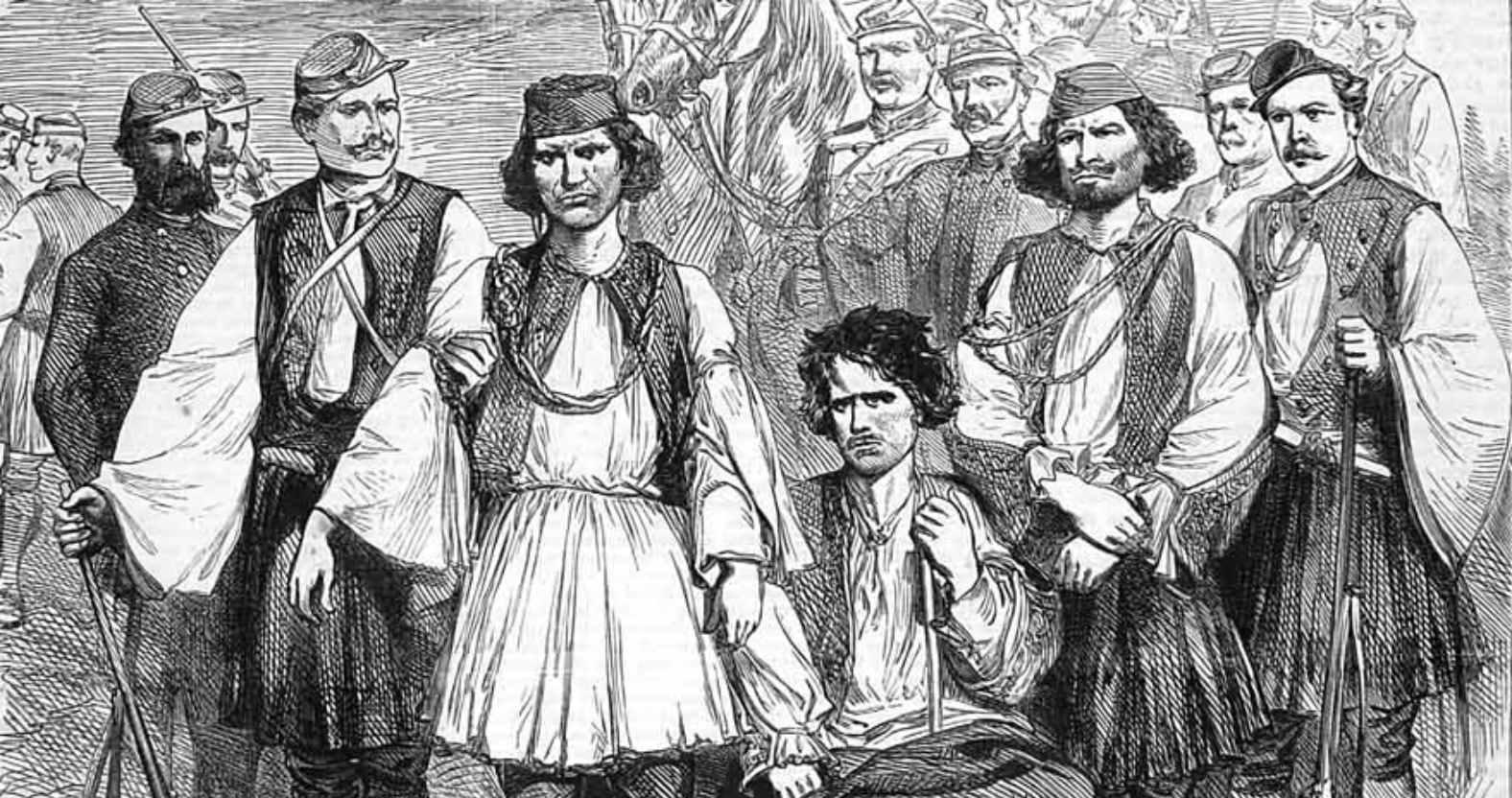
The bandits were taken as prisoners to Athens and executed.
One of the tourist victims was 23-year-old Frederick Vyner, whose widowed mother, Lady Mary Vyner, lived at Newby Hall. His sister, Henrietta, was married to the 1st Marquess of Ripon, who owned Studley Royal and Fountains Abbey.
Lady Mary and Lord and Lady Ripon put the money they had set aside for the ransom towards building two parish churches on their lands in Frederick's memory: the church of Christ the Consoler at Newby, and St Mary’s in Studley Royal Park.
St Mary's Church is managed by the National Trust.
Too easy or too difficult? Let us know what you think of our quiz by contacting us at letters@thestrayferret.co.uk.
Please do send us tricky pics of the area that we can include – and we'll credit your contribution. Thank you!
0