Thank you for your interest in this story
To continue reading this article, subscribe to the Stray Ferret for as little as £1 a week
Already a subscriber? Log in here.
17
Jan
The artist who swapped Greenhow for Greenland and found warmth with the yaks in Mongolia
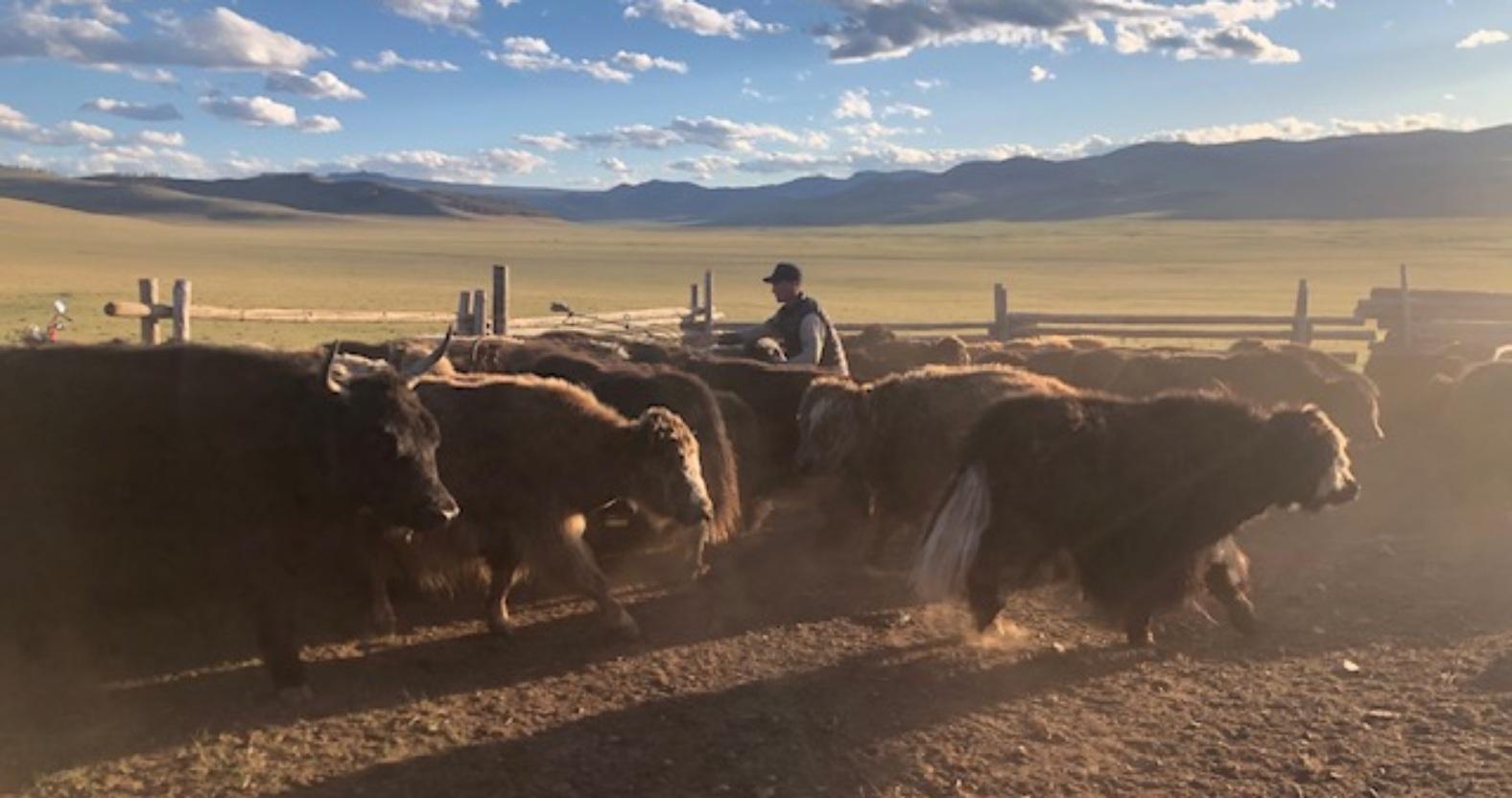
People will go to great lengths to fulfil their ambition, but Catherine Simmons has been further than most.
From her home in Pateley Bridge she weaves unique scarves from yak hair and sheep’s wool, but her route to this business has seen her living with an Inuit family in Greenland, shepherding in Morocco, and combing yaks in Mongolia.
But it all started at Moorhouses on Greenhow Hill, where Catherine grew up on a hill farm. She told the Stray Ferret:
I always wanted to be a farmer and an eskimo, ever since I was a little girl. They have similar ways of life, being in tune with nature. The weather and the land dictate what you can do, and you can only work with what you’ve got.
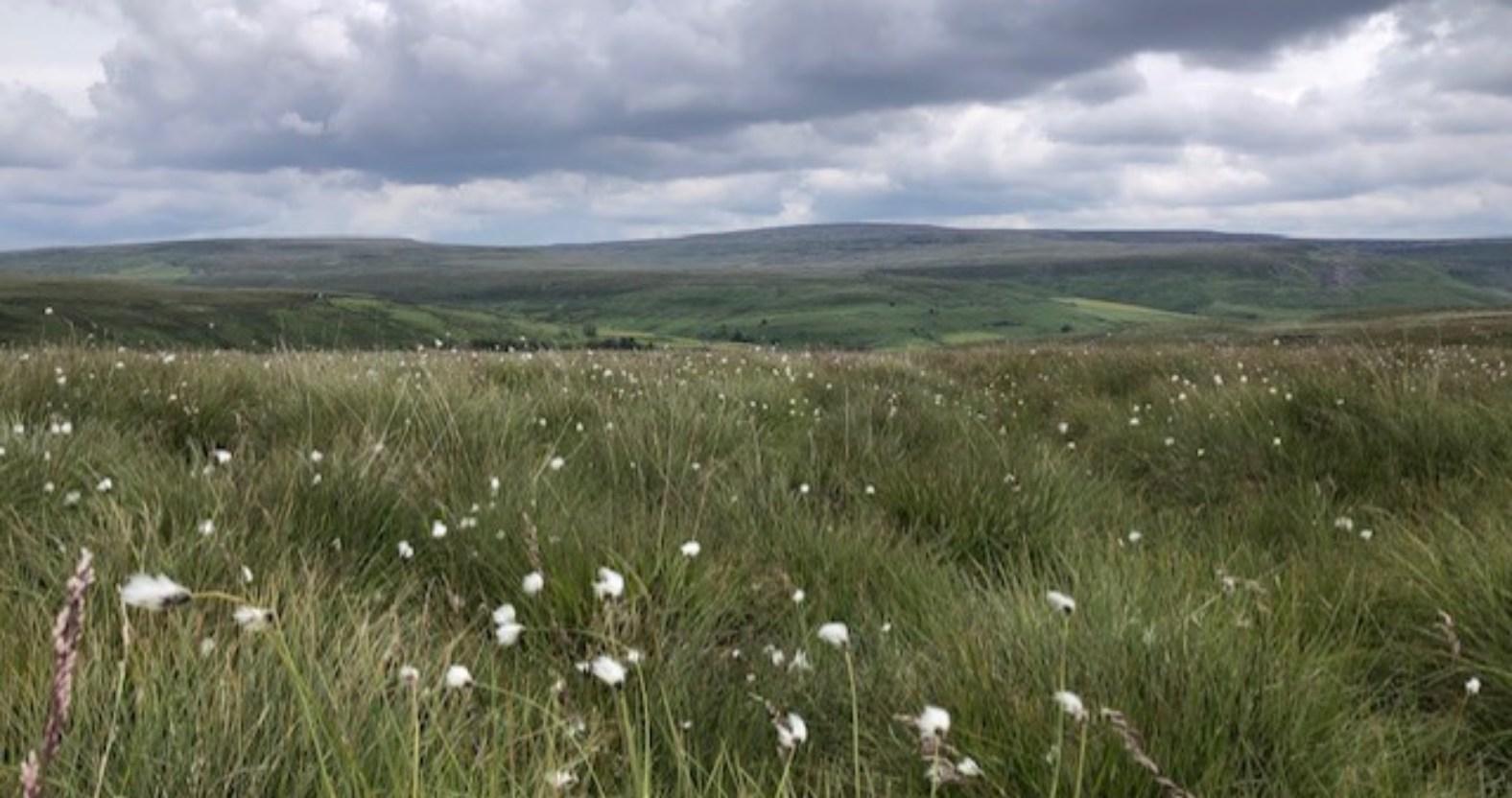
Catherine grew up in Nidderdale's uplands.
After school at Nidderdale High and an art degree, Catherine returned to farming, but the collapse in wool prices and changes in farming practices led her to reflect on the delicate balance between farmers, livestock and the natural world they share.
She said:
The people I’ve worked with are dying out – my community is getting smaller – and the next generation are losing that bond with nature. That traditional way is disappearing.
In search of a more elemental, grounded way of life, she followed her heart – and her childhood dreams – and in 1999 headed for Eskimo country. She said:
I had been trying to get to Greenland since I was a kid. So I advertised in Greenland’s newspaper for a penfriend.
I found one and went to stay with her family because I wanted to be a hunter, but the husband was so shy, and girls aren’t hunters there – they just work with things afterwards, in the home.
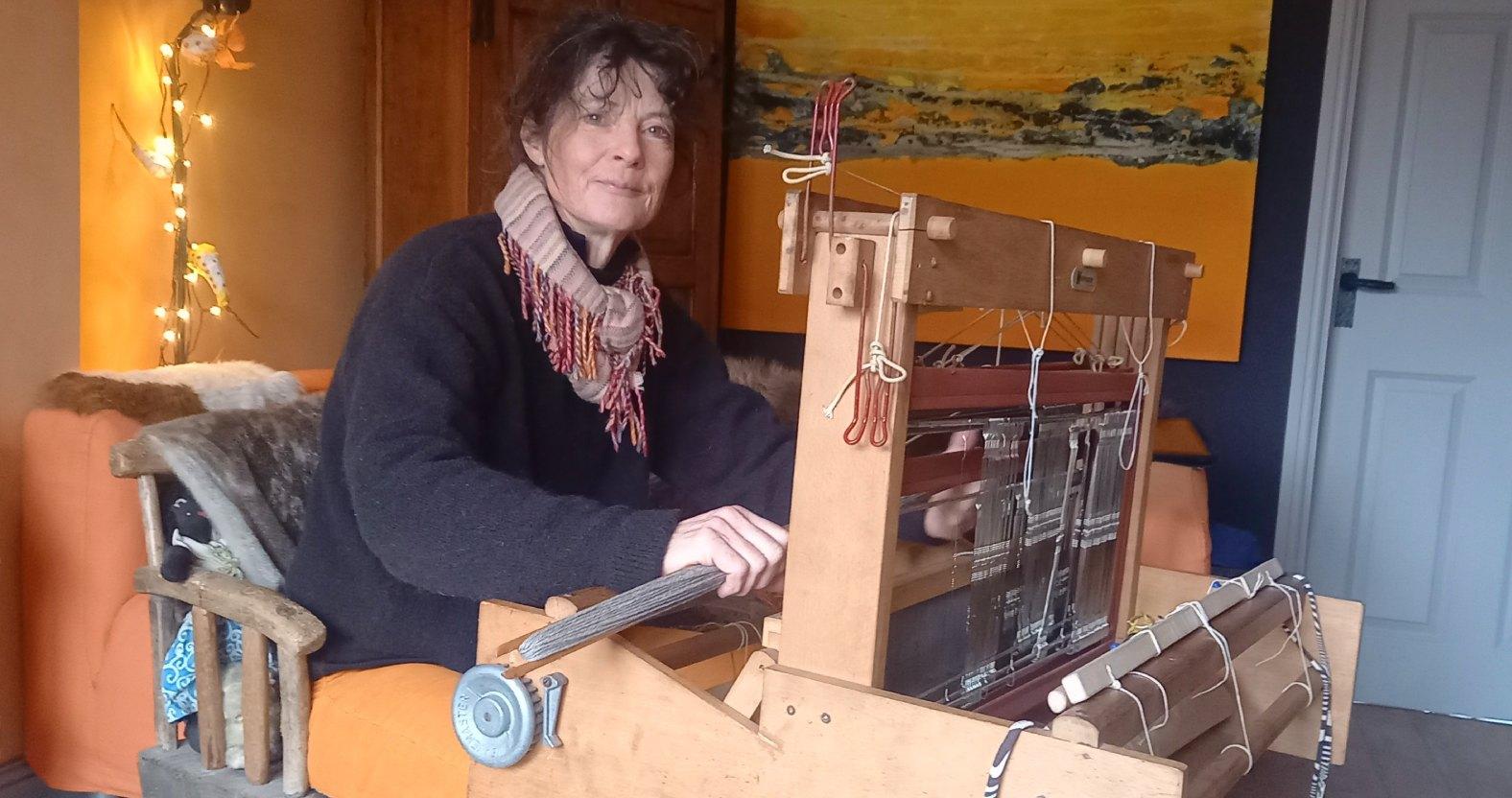
Catherine at her loom.
Catherine has been back to Greenland several times, and her house is dotted with fascinating reminders of her life in the frozen north: a musk ox skull, a sealskin and an arctic fox pelt. She still writes to her penfriend two or three times a year.
But she retained her love of farming, so in 2018 she headed to Morocco, where she stayed with a shepherd and his family.
But again, she was restricted in what she could do because of the limitations on women’s roles there. She said:
I wanted to farm, but the women don’t do farming!
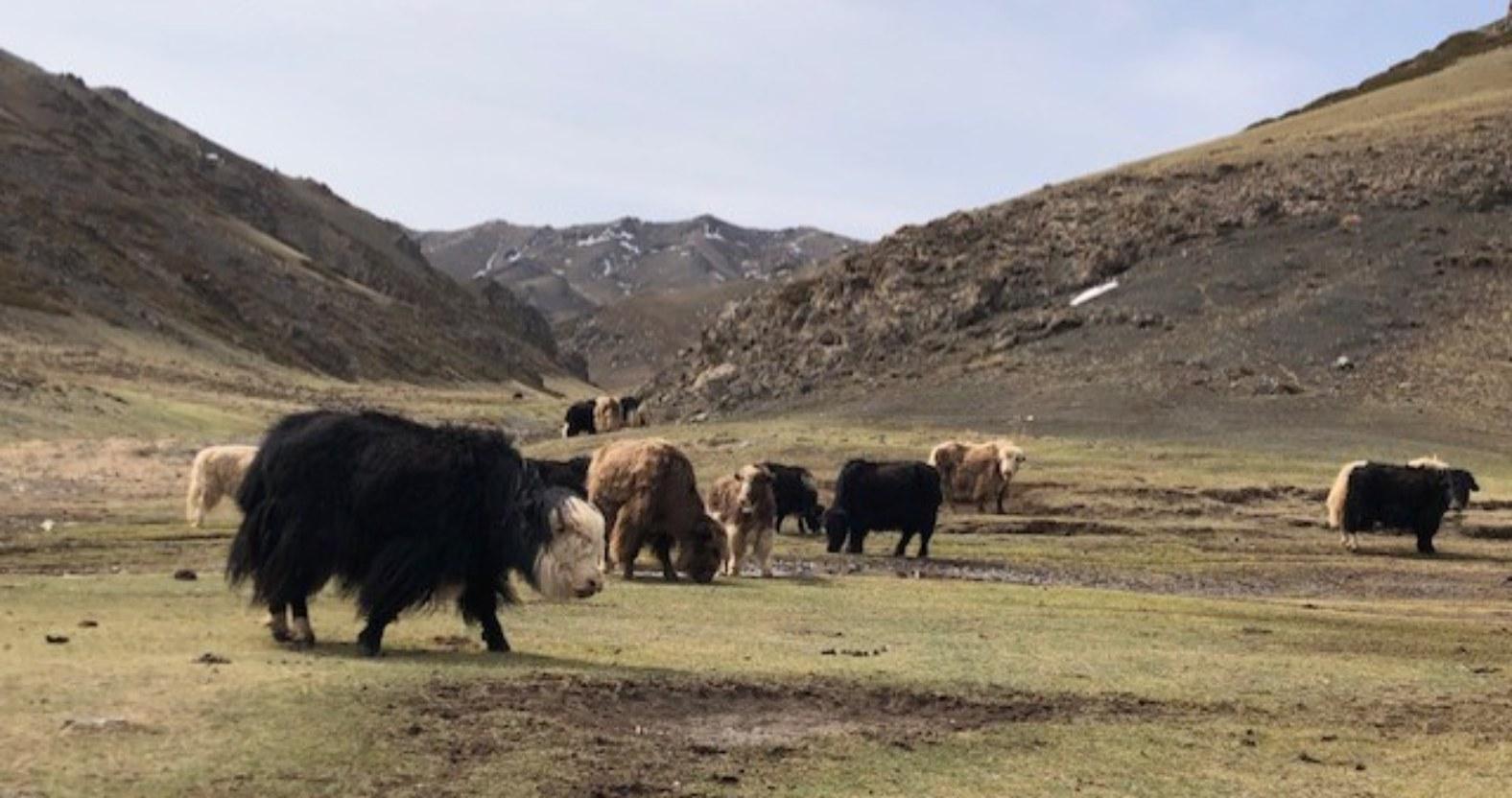
There are about a million yaks in Mongolia.
Eventually, in 2024, she struck out east, and went to Mongolia – a country the size of western Europe, but with a population far smaller than Yorkshire’s.
Finally, three days’ drive from the nearest airport, she found the environment she had been looking for.
She said:
Mongolia has a tradition of herding – most people there are herders. And the men are completely equal – they both do everything together. She’ll tell him he’s useless, and he’ll take it – they have a laugh!
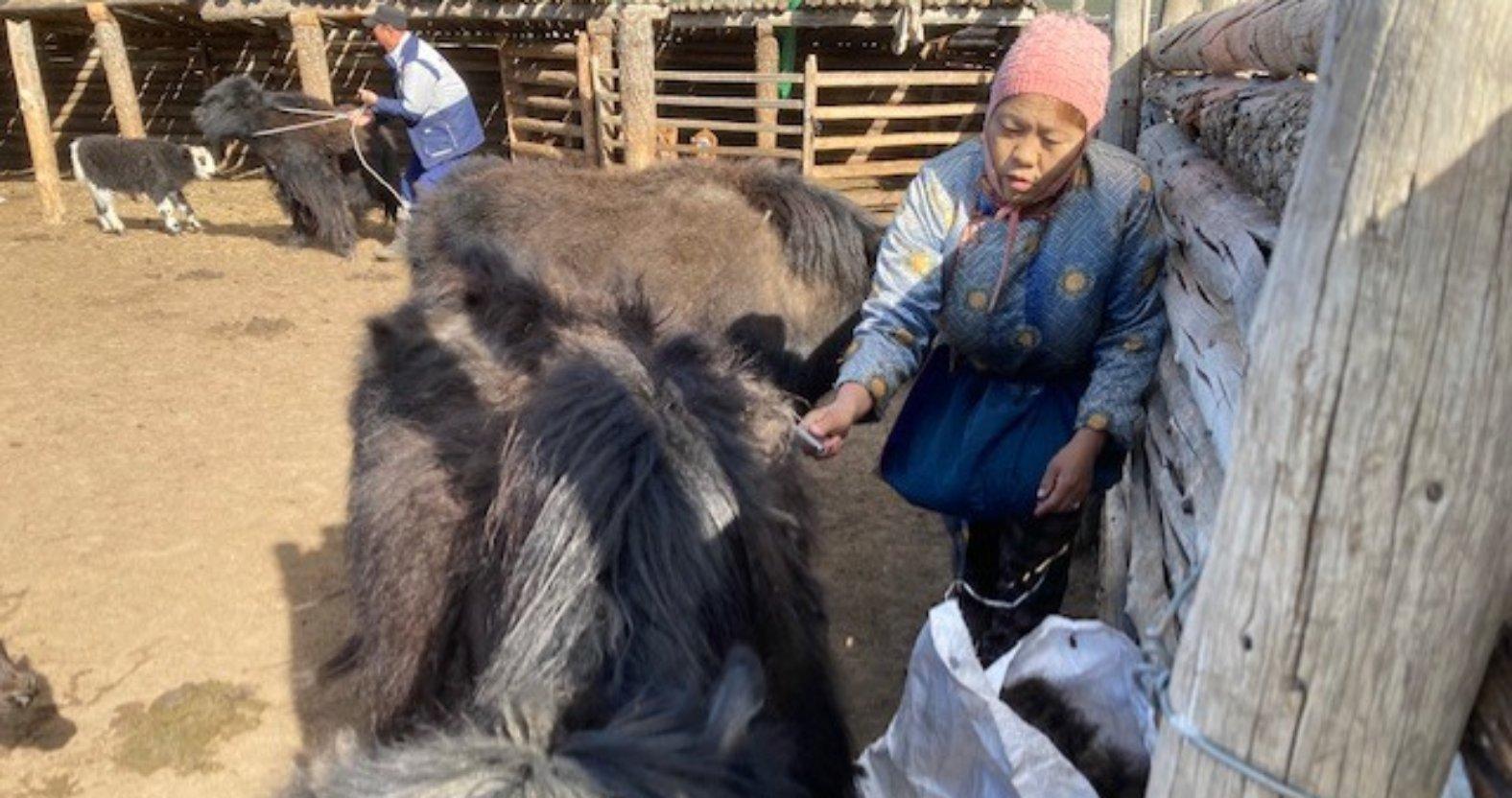
Catherine lived with a herding family on the Mongolian steppe.
And thanks to a stroke of bad luck for her host, she was able to do as much farming as she wanted. She said:
A lot of travel agents offer opportunities to live with Mongolian families, but I wanted to work. They might give you the chance to milk a yak, but I’d been milking since I was a child, so I wanted to do more than that!
But when we got there, the herder had slipped a disc. He was still working, but he was in a lot of pain. So we did a lot for him – we even collected all his firewood for winter – and he really appreciated our help.
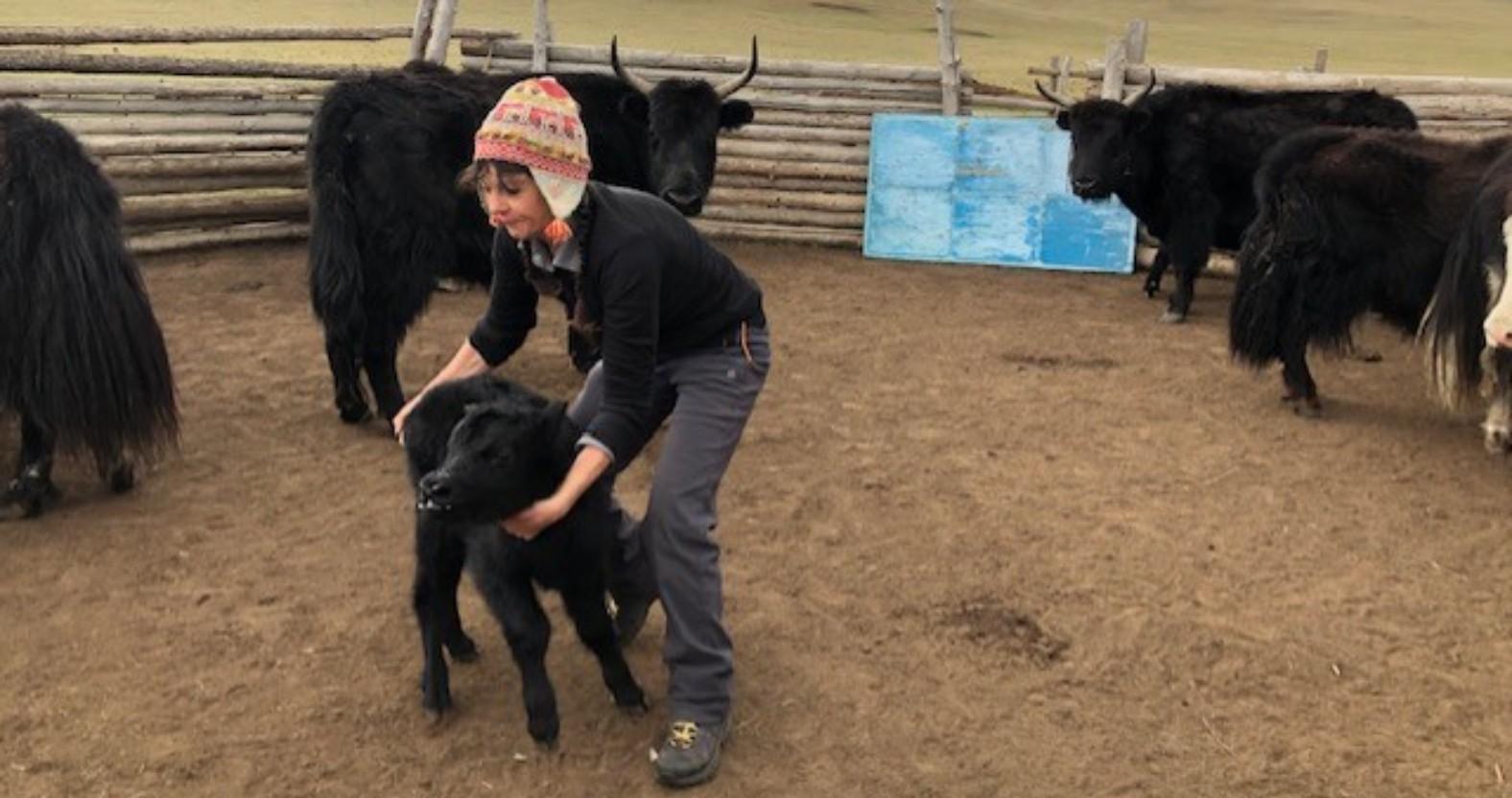
Catherine has always felt at home with livestock.
Even though Catherine only had about 20 words of Mongolian, her hosts could see she knew what she was doing, and so trusted her with other tasks. One of these was helping to comb the yaks, to harvest the soft fur beneath the long guard hairs. This fibre is called khullu, and it is warmer than sheep’s wool – like cashmere, it’s both warm and light – so it fetches a high price at market.
Catherine now imports khullu, buying it from a farmers’ spinning cooperative in Arkhangai, west of the capital, Ulaanbaatar.
She said:
I buy yarn that’s already spun in a mix with silk, as well as khullu fibre, which I send to a mill in Scotland, because the mills near here won’t work with small quantities.
The khullu fibres are short – too short for British mills, which are set up for longer sheep fibres. So I have it spun with wool from blue-faced Leicester sheep, which is long and just as fine as the yak hair. It’s the perfect mix.
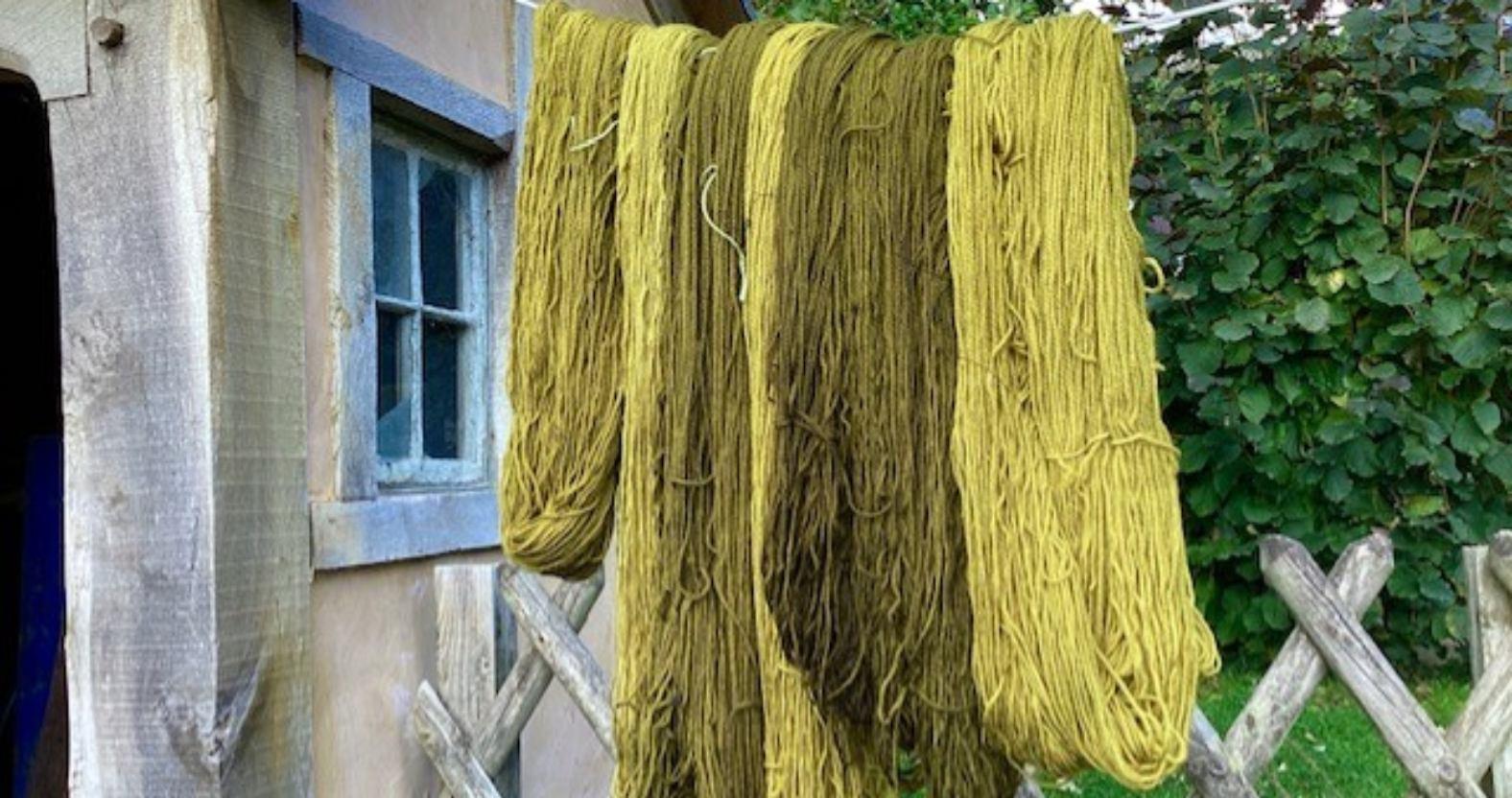
Catherine dyes the yarn herself.
She then hand-dyes the yarn and weaves it on a loom in her front room – a one-woman cottage industry producing unique products for a niche market. Doing everything the old-fashioned way, and with such care, is a slow and laborious business, and Catherine can only make one scarf a day at the most.
But the demand is there – before Christmas, orders were coming in via her website, www.khulluandleicester.com, as fast as she could fulfil them.
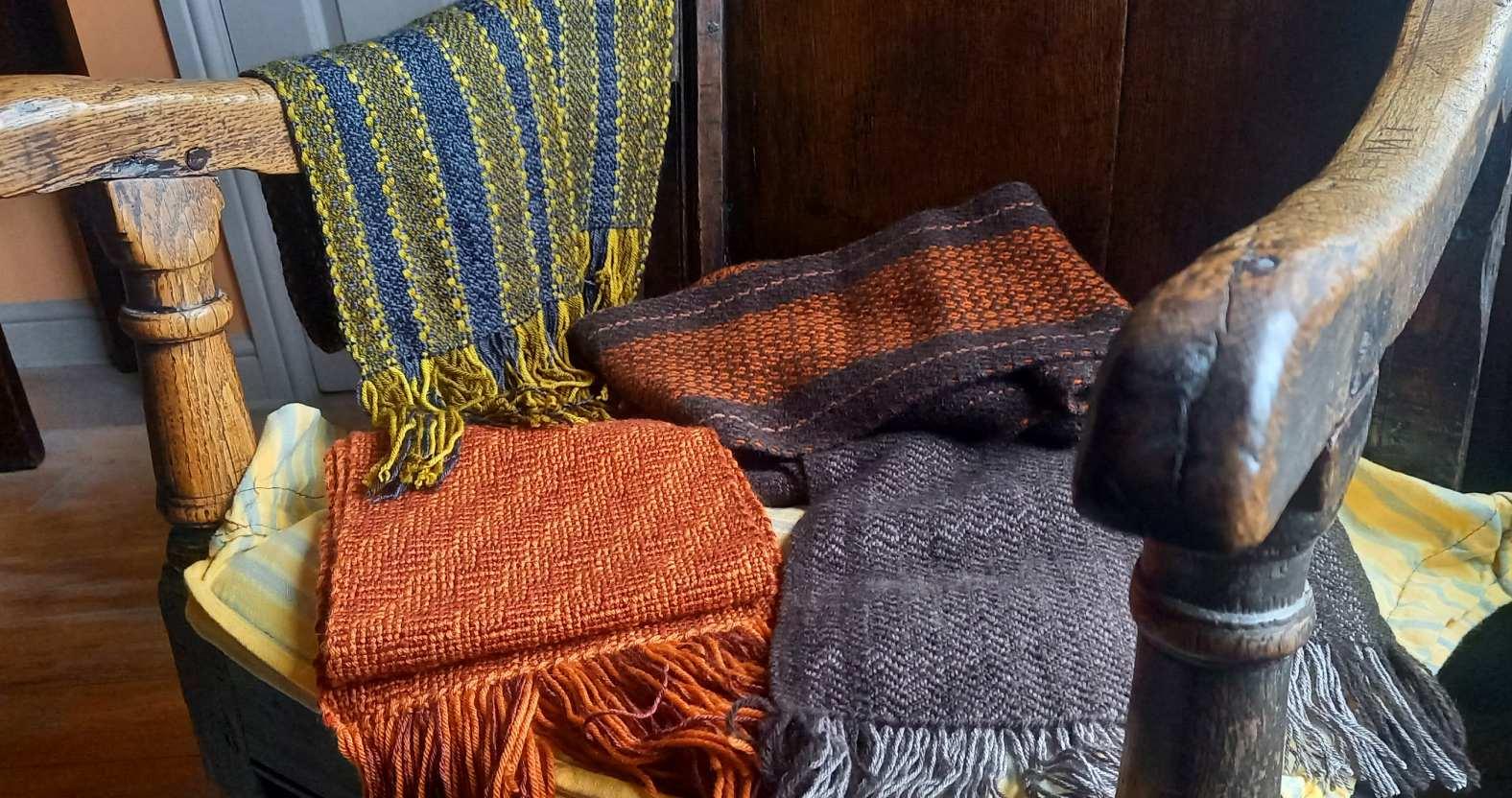
The scarves Catherine weaves combine yak's khullu with blue-faced Leicester wool.
She said:
I’ll never get rich from this, but I might as well enjoy what I’m doing. I’ve never done a day’s work in my life that I haven’t enjoyed doing.
Could she not increase output by using an electric loom?
No way. These scarves are entirely hand-made, from combing the yak to cleaning the fibres, to spinning the yarn. It’s so raw, so un-messed-about-with.
As soon as you use a machine, you’re not part of it anymore. It would go against the whole reason I want to do this.
I actually know the yaks that this yarn comes from – I'm part of this community. It’s about connection, a way of life, heritage.

0