Thank you for your interest in this story
To continue reading this article, subscribe to the Stray Ferret for as little as £1 a week
Already a subscriber? Log in here.
27
Aug
Why giving North Yorkshire’s mayor more planning powers is undemocratic
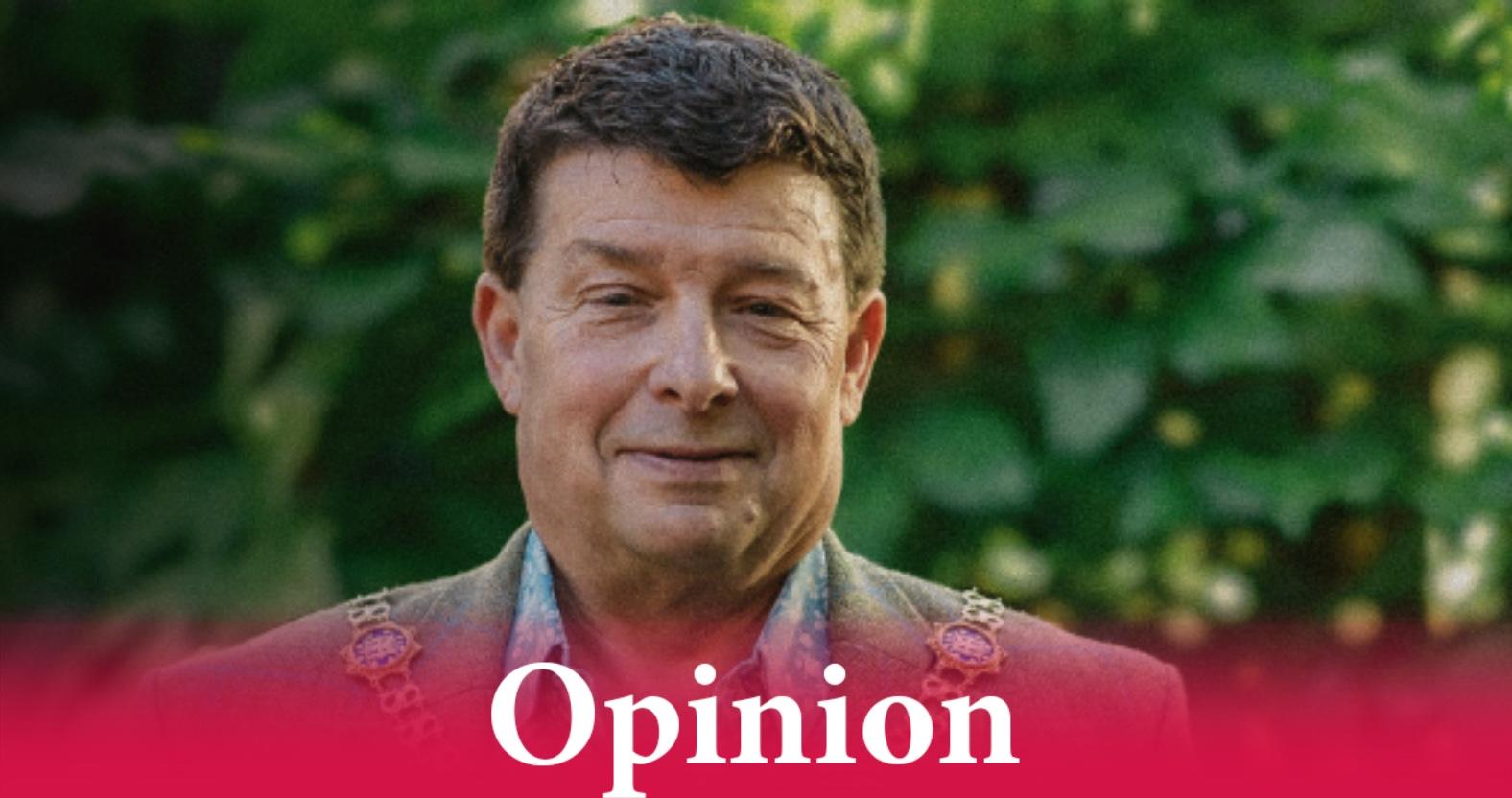
After the government announced plans to give mayors, including David Skaith, Mayor of York and North Yorkshire, more powers to overrule local councils on planning decisions, Cllr Chris Aldred, Liberal Democrat councillor and chair of Harrogate and Knaresborough planning committee, writes about why he feels the move is undemocratic.
The Prime Minister's announcement last weekend — made via a Sunday newspaper interview, rather than through any official channels — that regional mayors are going to have increased planning powers to override decisions arrived at by local councils is another nail in the coffin for local planning committees and local councillors.
The key word there is 'local'.
Effectively, under the new guidance, if David Skaith in York doesn’t like a decision made by the planning committee in Harrogate, relating to schemes of more than 150 homes or 15,000 square meters of commercial space, he will be able to override the local decision and give such schemes the go-ahead — irrespective of the viewpoint and knowledge of local people.
This is being advocated in the name of devolution. But, in fact, it’s the exact opposite. It’s taking away the local voice and imposing the direction of a central government policy.
This latest tweak to the planning process comes hot on the heels of a new National Planning Policy Framework, effective from August 17, which introduced an explicit national presumption towards approving development within settlements, unless its adverse impacts are sufficiently significant.
The same document relaxes the guidance on approving developments in the countryside, while also encouraging significant development within walking distance of railway stations meaning less “red tape” for either of these going forward.
It all leaves the local councillor sitting on a local planning committee with even less room to make a decision based on his/her knowledge of their locality, with more emphasis on national guidelines than ever before.
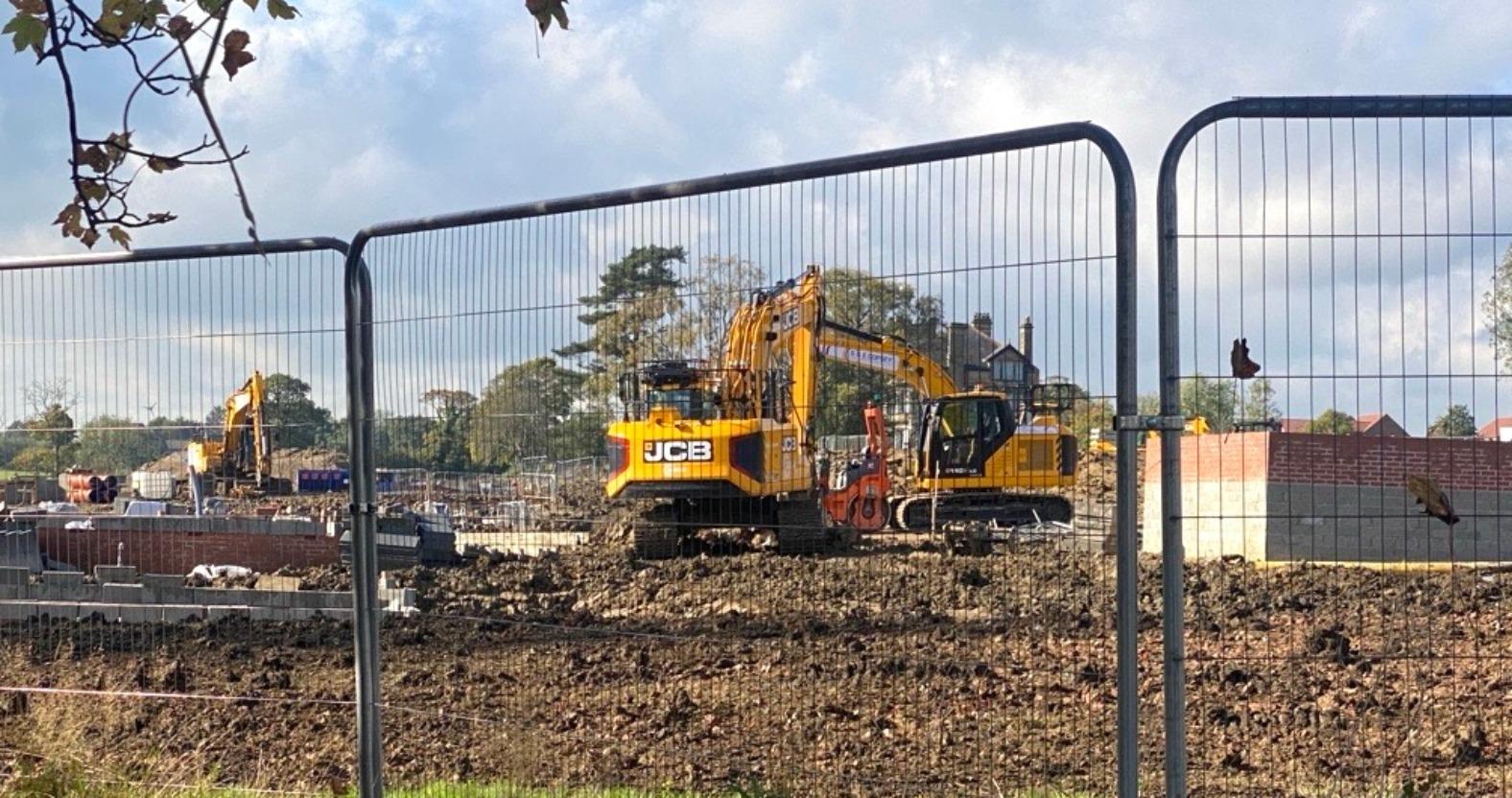
Housebuilding off Yew Tree Lane in Harrogate.
Planning reform needed
Before these latest changes were introduced, if a developer didn’t like the committee decision reached by local members, they would often appeal the decision to the national Planning Inspectorate and the local decision could be overruled at a significant financial cost to the council.
That is one of the reasons why the Neighbourhood Plan for Harrogate, currently being developed by Harrogate Town Council and building on significant work done in recent years by Harrogate Civic Society and others, is so important.
A Neighbourhood Plan, which is developed by local people, still carries significant weight in the planning process.
Few people would argue against the idea of the planning system in the needing an overhaul.
There are not enough houses of the right type in the right places for working families who need them. But, all the blame shouldn’t be directed at councillors making planning decisions — currently over 1.5 million new homes actually have planning permission in the UK, but developers, for a myriad of reasons, are sitting on the land and not building the houses.
Perhaps the government should be investigating why this is, rather than increasing the draconian powers of the regional mayor?
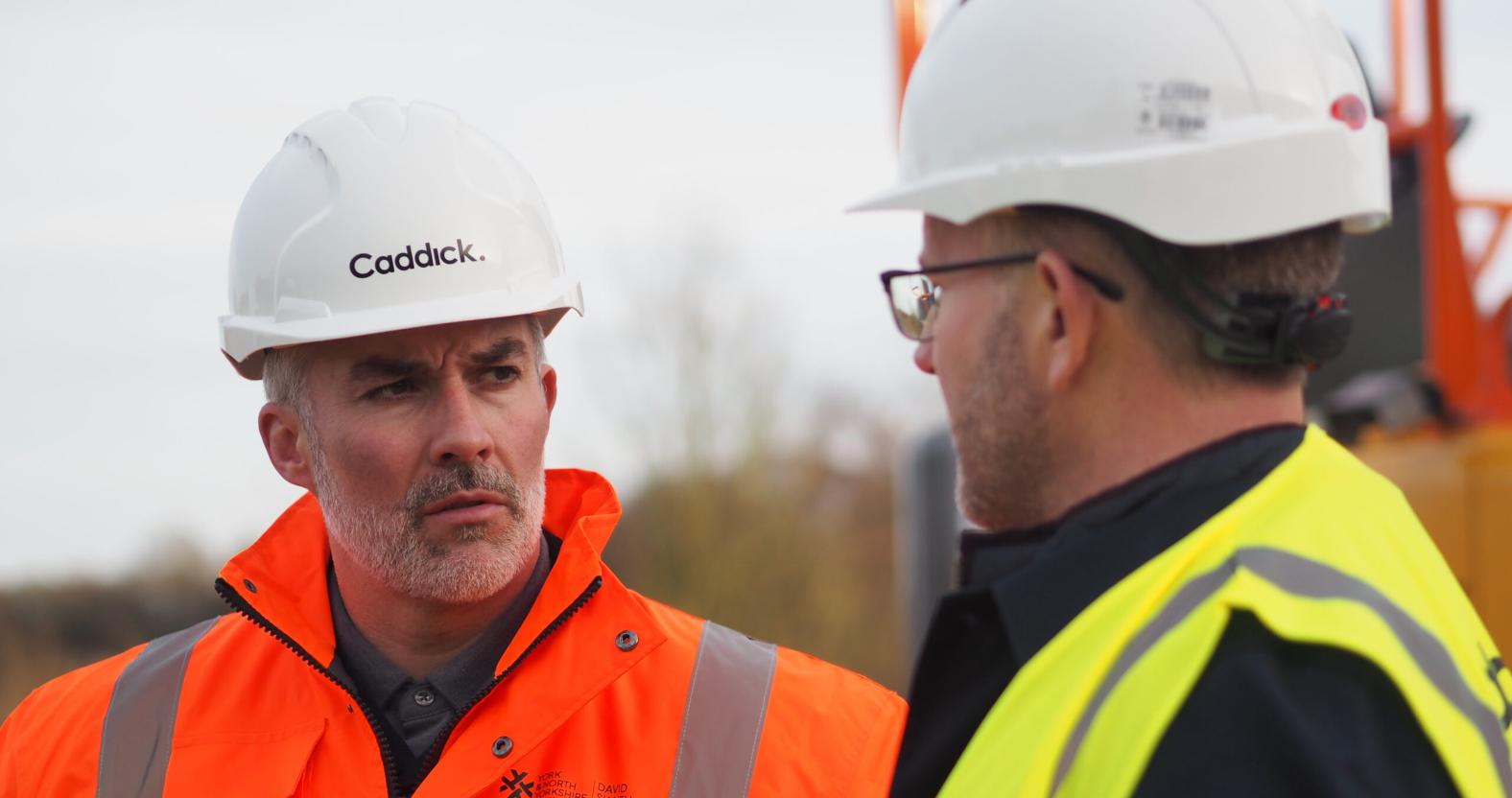
David Skaith, Mayor of York and North Yorkshire.
Social housing
Incidentally, in a further government announcement this week, £10 billion pounds has been allocated to regional mayors to pump prime social / affordable schemes in their areas – but North Yorkshire’s Labour mayor failed to secure any of this funding for our region — why?
It is my experience that local councillors on local committees take their responsibilities very seriously, spending lots of time and effort reading detailed reports and representations from the public, prior to reaching a balanced decision on any individual application.
Our place in the planning process is well established and proven to work — that of the educated layperson, rather than the planning experts the council employs as officers, casting an informed eye over proposals and having the ability to input a local perspective.
My fear is that the combination of these new policies and governmental initiatives is going to impinge on this role, potentially meaning more local planning decisions will be made by one person in York, pursuing a national political agenda, rather than a group of informed local people here in Harrogate. Sadly, that is neither proper devolution nor democracy.

4