Thank you for your interest in this story
To continue reading this article, subscribe to the Stray Ferret for as little as £1 a week
Already a subscriber? Log in here.
21
Nov
Yemi's Food Stories: Science, wit and the art of eating well
Yemi Adelekan is a Harrogate-based food writer and blogger who was a semi-finalist in the 2022 series of BBC TV’s Masterchef competition.
Yemi writes for the Stray Ferret about her love of the area’s food and shares cooking tips.
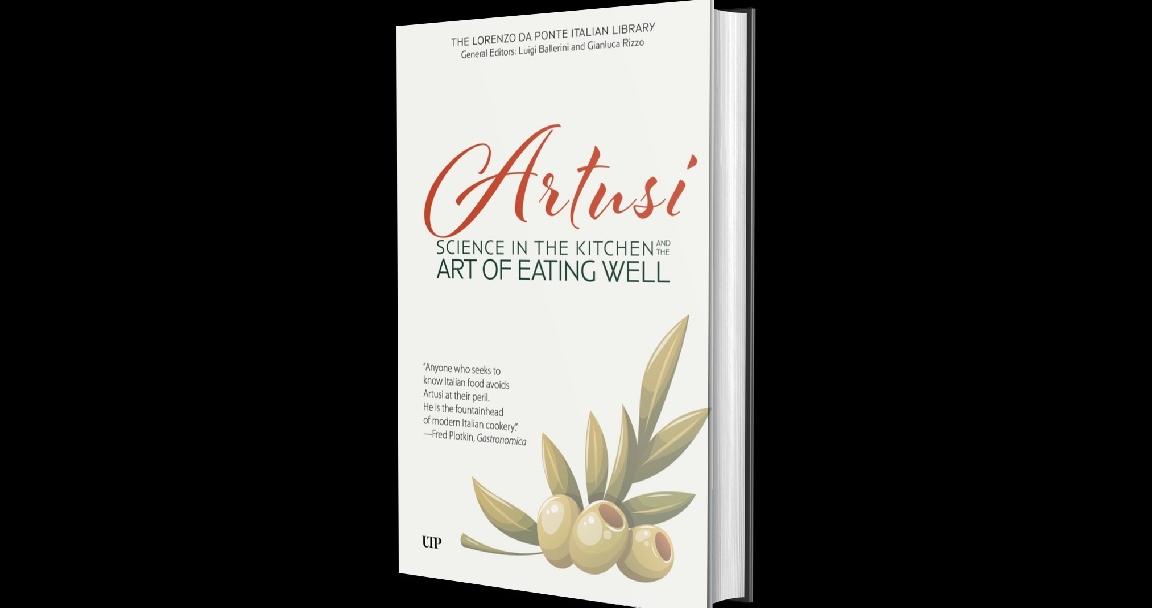
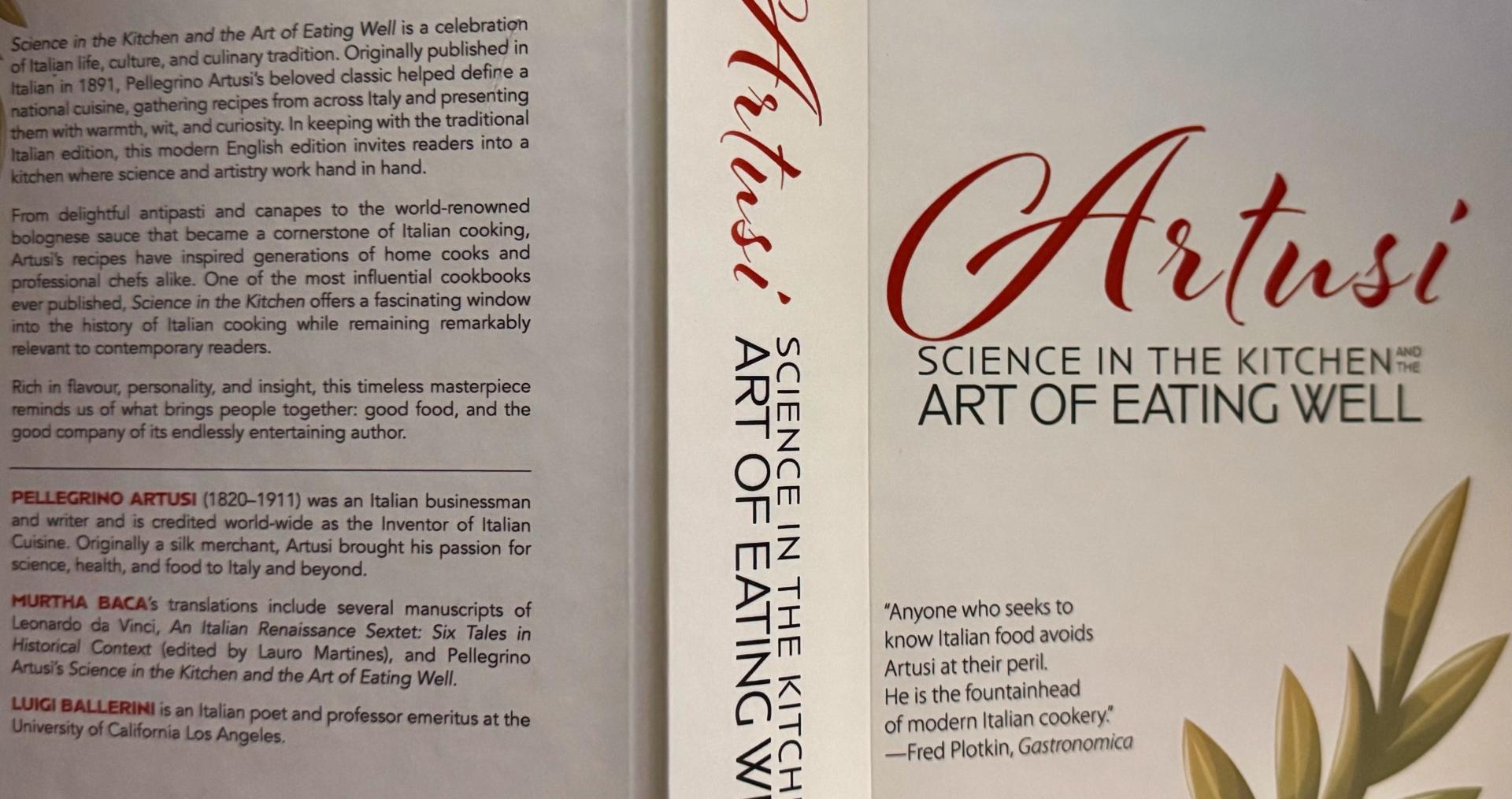
There are cookbooks you buy for the recipes, others for inspiration, and then there are those you find yourself reading from cover to cover, forgetting that you picked them up to decide what to cook for dinner. Science in the Kitchen and the Art of Eating Well by Pellegrino Artusi belongs in the latter category.
I was recently given a copy, and what I thought would be a leisurely flick through its pages turned into an entertaining read. Artusi has a way with words that is as memorable as his recipes. His storytelling is funny, wonderfully witty and occasionally bordering on insult, but delivered with such cheek that you cannot help but smile. There is a personality behind these pages, and it is impossible to miss.
Gatecrashing European kitchens
First published in 1891, this is more than a collection of recipes. It’s a culinary journey through Italy and beyond, drawing on regional Italian cooking while happily gate-crashing into French, Russian, Hungarian and other European kitchens. There is history that never feels like a history lesson. Instead, Artusi brings food, people, experiences and opinions together in a way that still makes the book feel remarkably alive, more than a century after it was written.
Put it on the 'fire'
What I particularly love is how foundational the recipes are. These are not complicated instructions designed to impress, nor are they recipes that assume you have fancy gadgets.
They are sympathetically explained in simple language, with an almost conversational approach that makes even unfamiliar techniques feel accessible. There is a real generosity in his teaching, and a confidence that comes from understanding the fundamentals of cooking.
One small detail that particularly tickled me was his use of the word ‘fire’ where we might ordinarily say stove or hob. It immediately struck a familiar chord. In my Nigerian language, the expression we use for putting something on the stove translates quite literally as placing it on the fire. It is a small linguistic connection, but one that made me feel at home in Artusi’s kitchen.
Food that doesn't respect borders
The breadth of the book is impressive, too. From savoury dishes to desserts, it covers so much more than the pasta and pizza that often dominate our understanding of Italian food. It takes you through the country’s regional cooking traditions while acknowledging the influences and connections that have shaped European food more widely. It is a reminder that food has never respected borders quite as neatly as maps suggest.
There is also a thoughtful consideration of health and wellbeing woven through the recipes. Some dishes are specifically suited to more delicate stomachs, while Artusi offers advice on enjoying richer foods and balancing indulgence. It is an interesting reminder that conversations about eating well, moderation and the relationship between food and health are not new.
What makes this book particularly special is the combination of knowledge and personality. Artusi is not simply telling you what to cook; he is sharing what he knows, what he learnt in the unlikeliest of places or from the unlikeliest of people, what he believes and, occasionally, what he thinks of those who might disagree with him. He even tells you what he thinks might not taste that delicious but believes is worth cooking if you are up for an adventure.
'Handsome' dishes
His wit makes the learning more enjoyable which is needed when some steps ask you to knead for half an hour. Modern day gadgets will make the process a lot quicker and easier. I love it that he often refers to dishes as being ‘handsome’ and gives you space to be creative when it instructs you to do something for some time without being prescriptive.
I often say that understanding the foundations of cooking is the best way to learn to cook. Once you understand why ingredients behave as they do, how flavours work together and what makes a technique successful, you become a more confident and creative cook. This book offers precisely that kind of education, wrapped in stories and observations that make you want to keep turning the pages.
Mastering its lessons is, in many ways, mastering the foundations of Italian cooking. And if you can learn something while being thoroughly entertained, why not?
Hot chocolate recipe
I have chosen a chocolate drink recipe from the book to share here. It is simple, uses familiar ingredients and is a lovely opportunity to bring a little of Artusi’s kitchen into your own.
After all, the art of eating well should never only be for those who know their way around a complicated recipe. Sometimes, it starts with a few good ingredients and some understanding.
I was intrigued by the hot chocolate drink recipe. For a generous cup, use 60g of chocolate dissolved in 4/5th (190ml) of a cup of water. 50g of chocolate will create a lighter drink and 80g will create a thicker drink. Artusi recommends the best quality chocolate you can afford.
Add the broken pieces of chocolate to a small pot with the water and when it starts to get hot, stir it until the chocolate completely melts.
As soon as it begins to boil, remove it from the heat and whisk for five minutes. I reckon an electric whisk will do this in two minutes or less. Then bring back to the boil and serve immediately.
The publishers have offered a 20% discount on the book if you use code ARTUSI20.

0