Thank you for your interest in this story
To continue reading this article, subscribe to the Stray Ferret for as little as £1 a week
Already a subscriber? Log in here.
27
Jan
Yorkshire police forces could merge to create 'mega-force'
North Yorkshire Police could be amalgamated with the three other Yorkshire forces as part of what the government has called “the largest reforms to policing since forces were professionalised two centuries ago”.
Home secretary Shabana Mahmood said yesterday (January 26) the current "43-force model, nearly unchanged in 60 years, is no longer fit for purpose" and announced a review into dramatically reducing the number.
It has previously been proposed that the number of police forces in England and Wales would be cut to just 12, resulting in so-called ‘mega-forces’.
Yorkshire mega-force
A Yorkshire mega-force would include North Yorkshire Police, South Yorkshire Police, West Yorkshire Police and Humberside Police.
Going on current numbers, that would result in a force with more than 13,000 officers – more than a combined Merseyside and Greater Manchester force would have (12,300). London’s Metropolitan Police has more than 34,000.
But the changes will entail some major restructuring and changes to working practices, so are only expected to come into force by the end of the next parliament, around 2034.
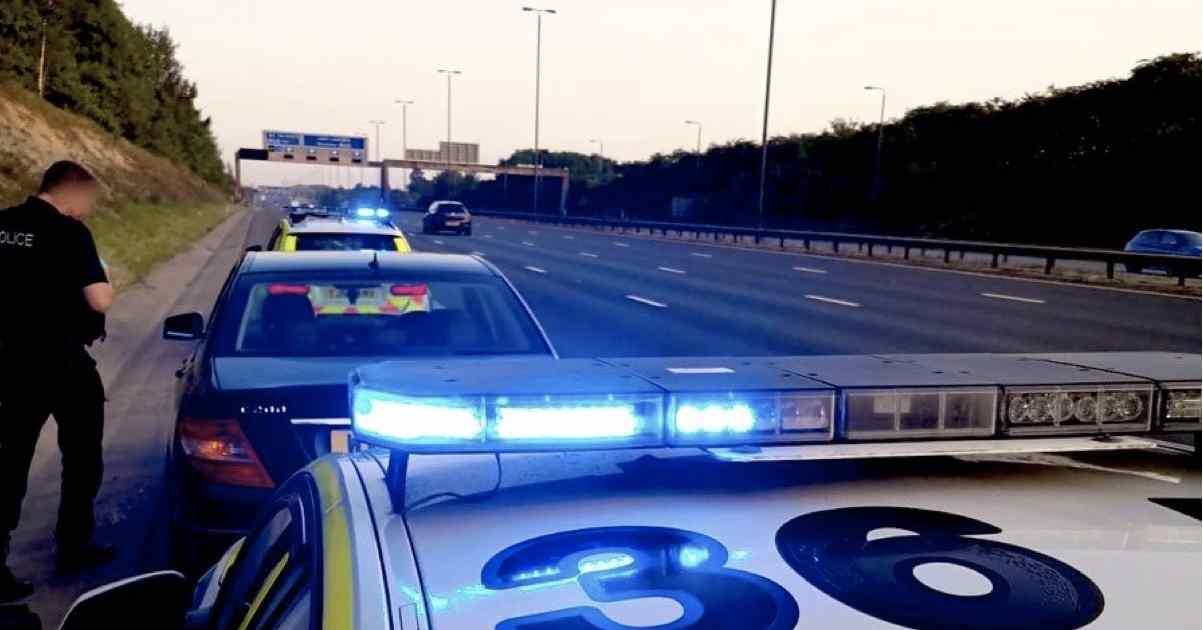
North Yorkshire Police stopping a car on the A1(M) near Boroughbridge.
The proposals, which are detailed in a White Paper, From local to national: a new model for policing, are designed to save money and improve crime-fighting efforts. Ministers say the current model is bureaucratic and wastes money, as each force currently runs its own headquarters, management teams and backroom staff.
They also believe smaller forces are not well enough equipped to deal with serious crime and major incidents. They say mega-forces could focus on tackling serious and organised crime, as well as complex cases involving murder and drug supply.
Local policing
The government also said it would ramp up its pledge to restore visible neighbourhood policing through an extension of its Neighbourhood Policing Guarantee.
This would provide every council ward in England and Wales with its own named, contactable officers, creating more local points of contact and giving officers a deeper understanding of the issues in their area, such as shoplifting and low-level drug dealing.
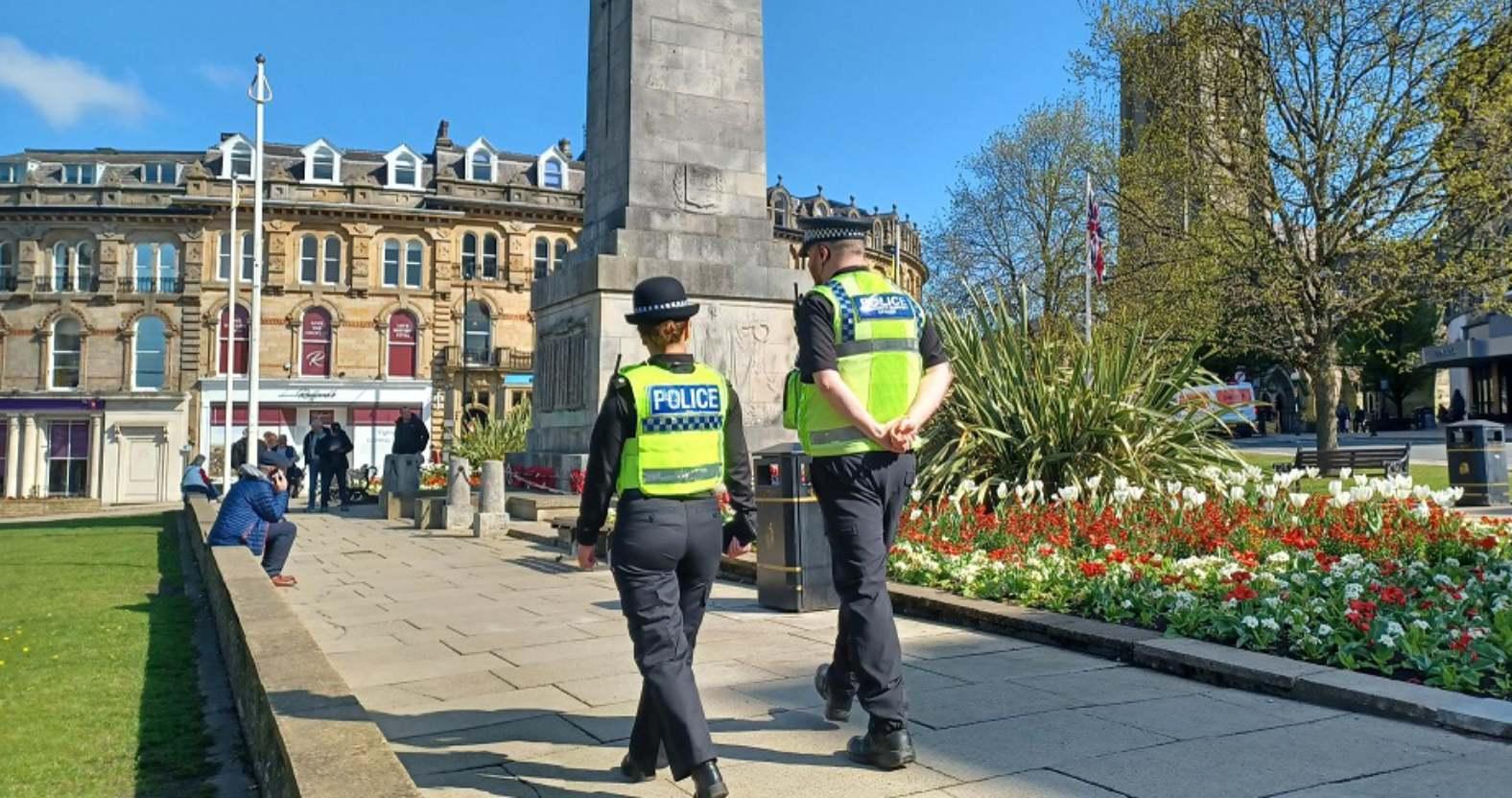
Police officers on the beat in Harrogate town centre.
Response officers will be expected to reach the scene of the most serious incidents within 15 minutes in cities and 20 minutes in rural areas, and forces will be expected to answer 999 phone calls within 10 seconds.
Other proposals include the creation of a National Police Service to tackle the most complex and serious crimes, £140 million investment in technology, and a recruitment drive for special constables and top graduates.
'Changes must be fair for rural communities'
Jo Coles, York and North Yorkshire deputy mayor for Policing, Fire and Crime, said she and her Labour colleague, mayor David Skaith, welcomed the review for presenting an opportunity to “strengthen policing, make better use of public resources and support economic growth across our regions”.
She said:
For us in York and North Yorkshire, but especially for our rural communities, it's vital changes benefit our region. North Yorkshire Police already delivers effective policing across an area five times the size that of the Metropolitan Police, albeit with both less crime and significantly less police officers.
Rural areas do not benefit from the same economies of scale as urban areas and it's vital reforms recognise this in order to deliver fair and effective policing for all.
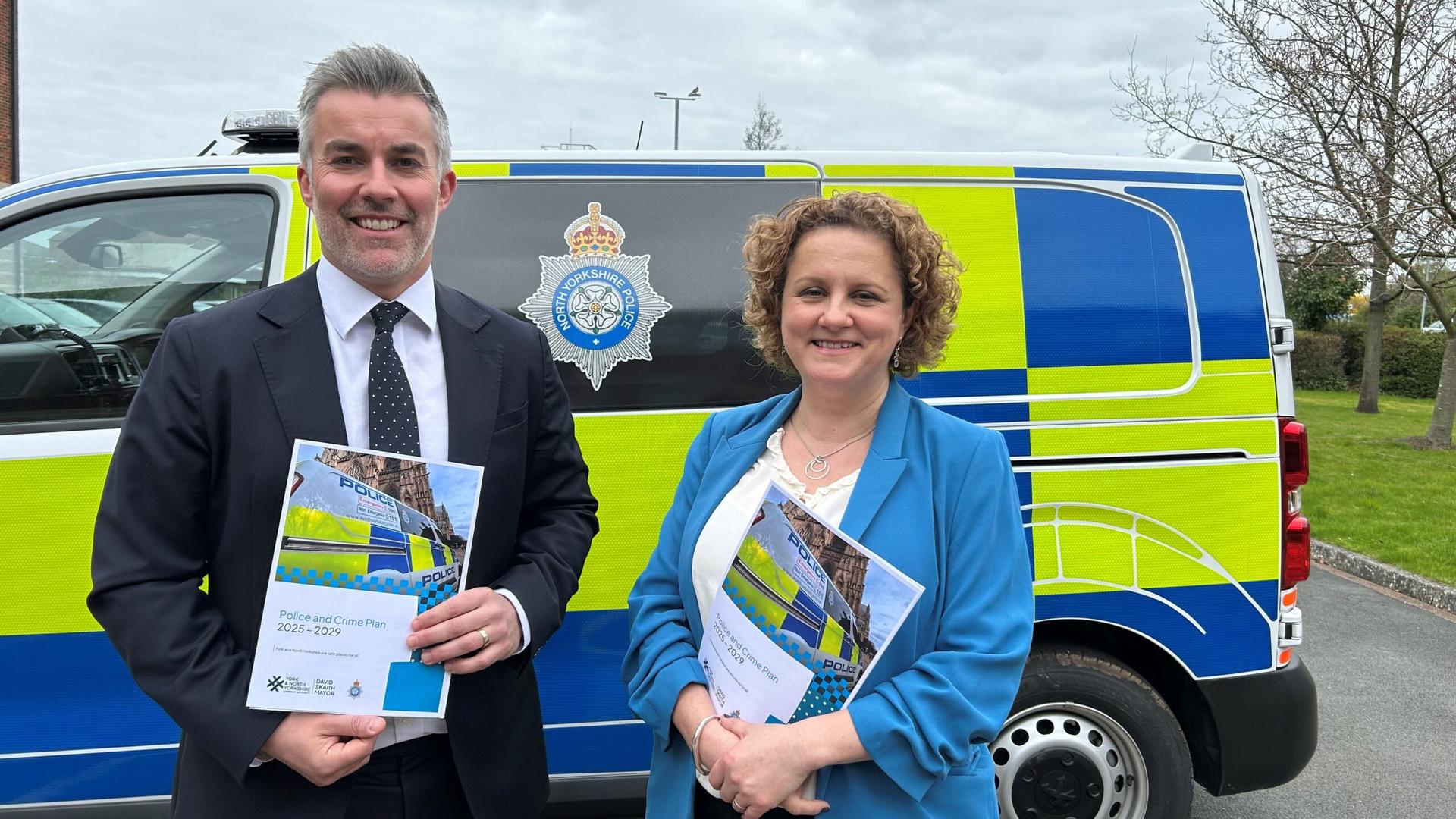
Mayor David Skaith and deputy mayor Jo Coles.
She said she would examine the detail of the proposals carefully over the coming months, and added:
Police reform can only succeed if it works for every community, not just the largest cities or urban areas.
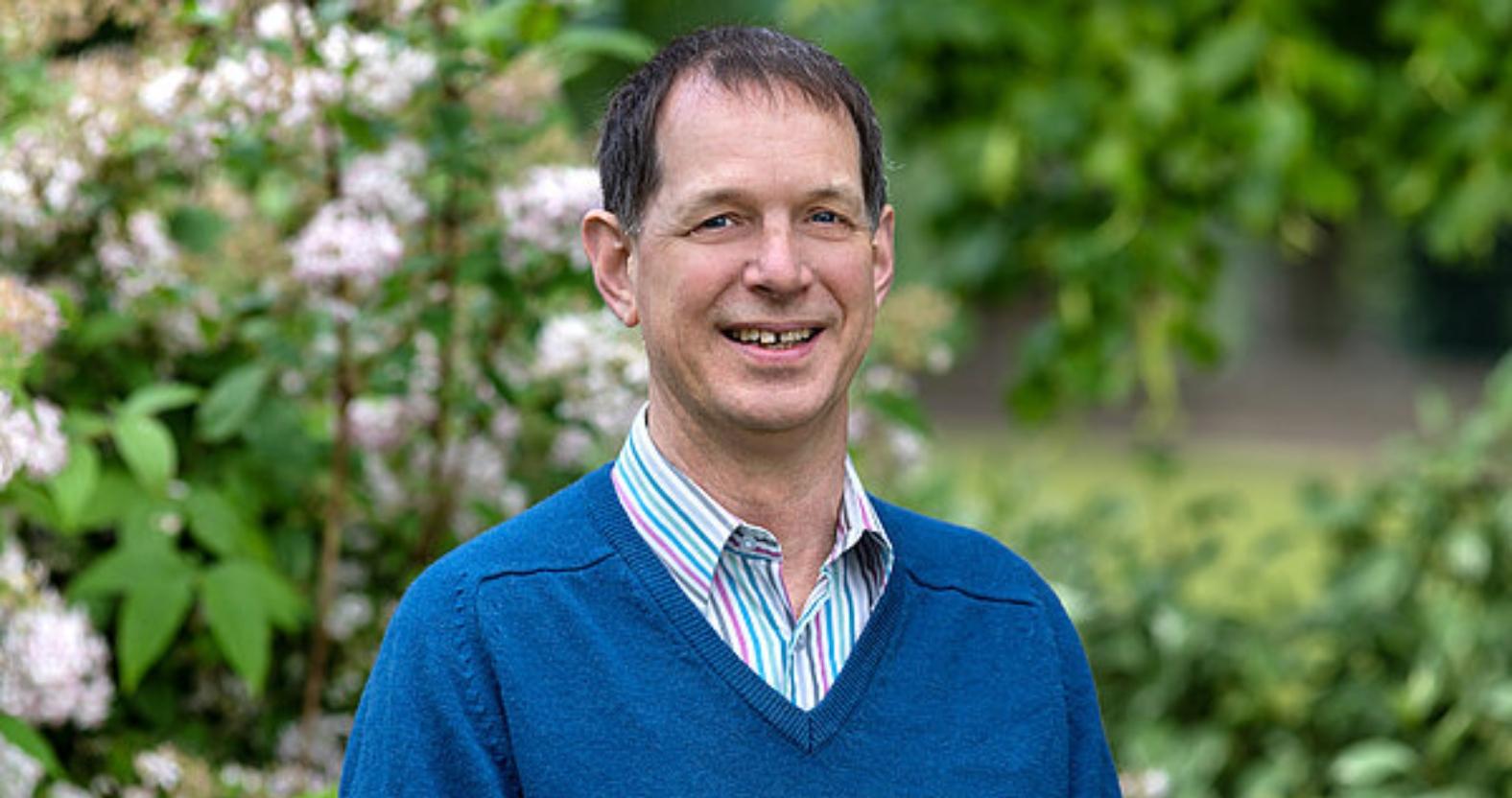
Councillor Peter Lacey.
But Councillor Peter Lacey, leader of the Liberal Democrats on North Yorkshire Council, warned the reforms could place communities at risk unless they were “done right”.
Cllr Lacey, who represents the Coppice Valley and Duchy division, said:
If merging forces means officers become more distant from the communities they serve and less able to respond to local crime, that’s a serious mistake. At a time when police stations and front desks are disappearing, people want visible, trusted officers and a clear local point of contact.
Labour already promised the public 13,000 more police officers, but instead officer numbers have fallen – by March this year, we had 4,000 fewer frontline officers than the year before. That’s simply not good enough. If the government is serious about restoring neighbourhood policing, it needs to step up, get this right, and get more officers back onto our streets.

0