Thank you for your interest in this story
To continue reading this article, subscribe to the Stray Ferret for as little as £1 a week
Already a subscriber? Log in here.
09
Oct
Yorkshire Water downplays risk to dogs from 'invasive species' at Swinsty Reservoir
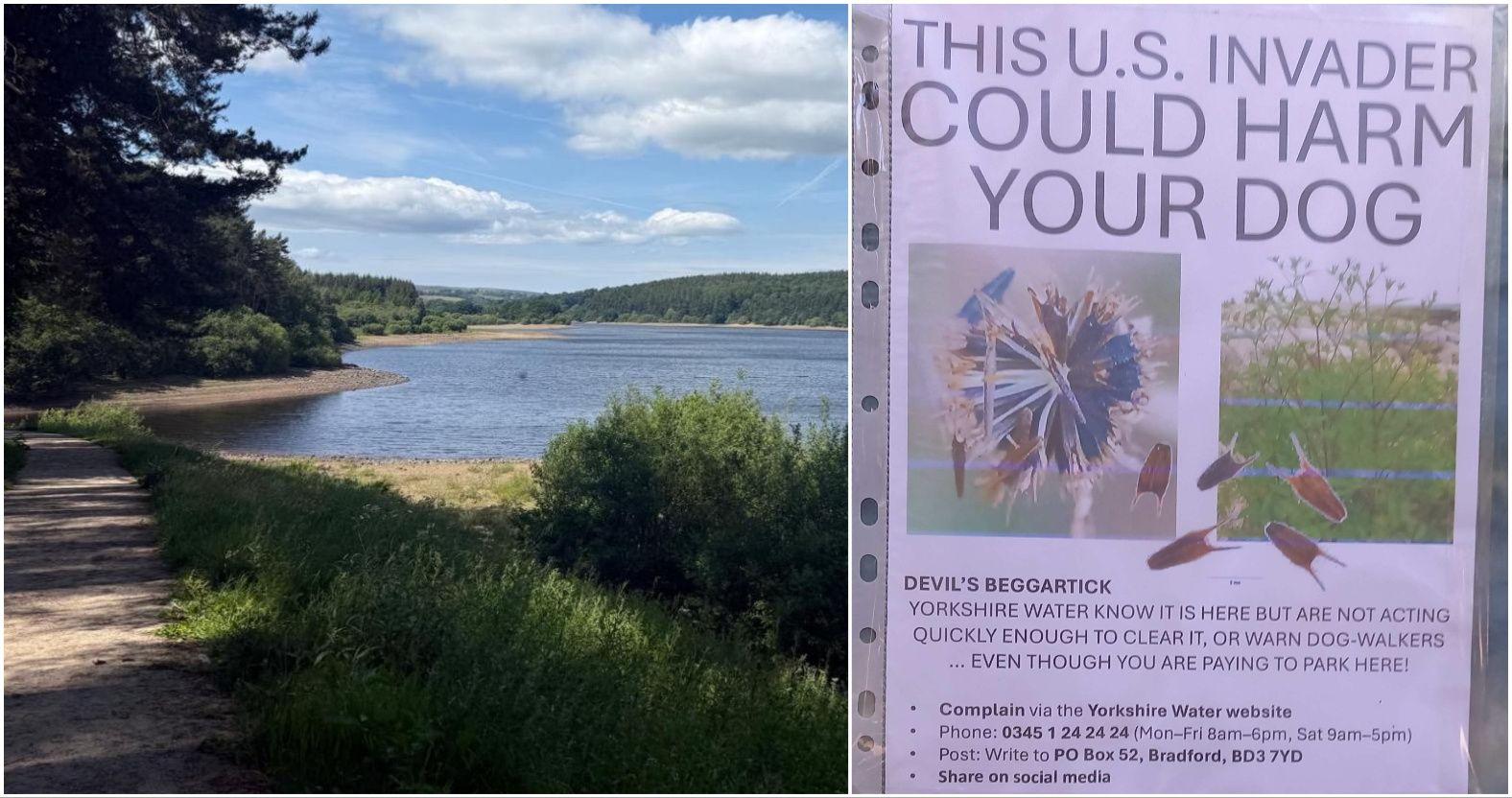
People visiting Swinsty Reservoir, near Harrogate, recently have been confronted with a sign in the carpark warning them of an invasive species of plant that "could harm" their dog.
The homemade sign includes pictures of the plant, devil's beggartick, but does not clearly explain the nature of the danger, or how serious it is, nor does it give any clue as to who created or posted it.
But it claims:
Yorkshire Water know it is here, but are not acting quickly enough to clear it, or warn dog-walkers... even though you are paying to park here!
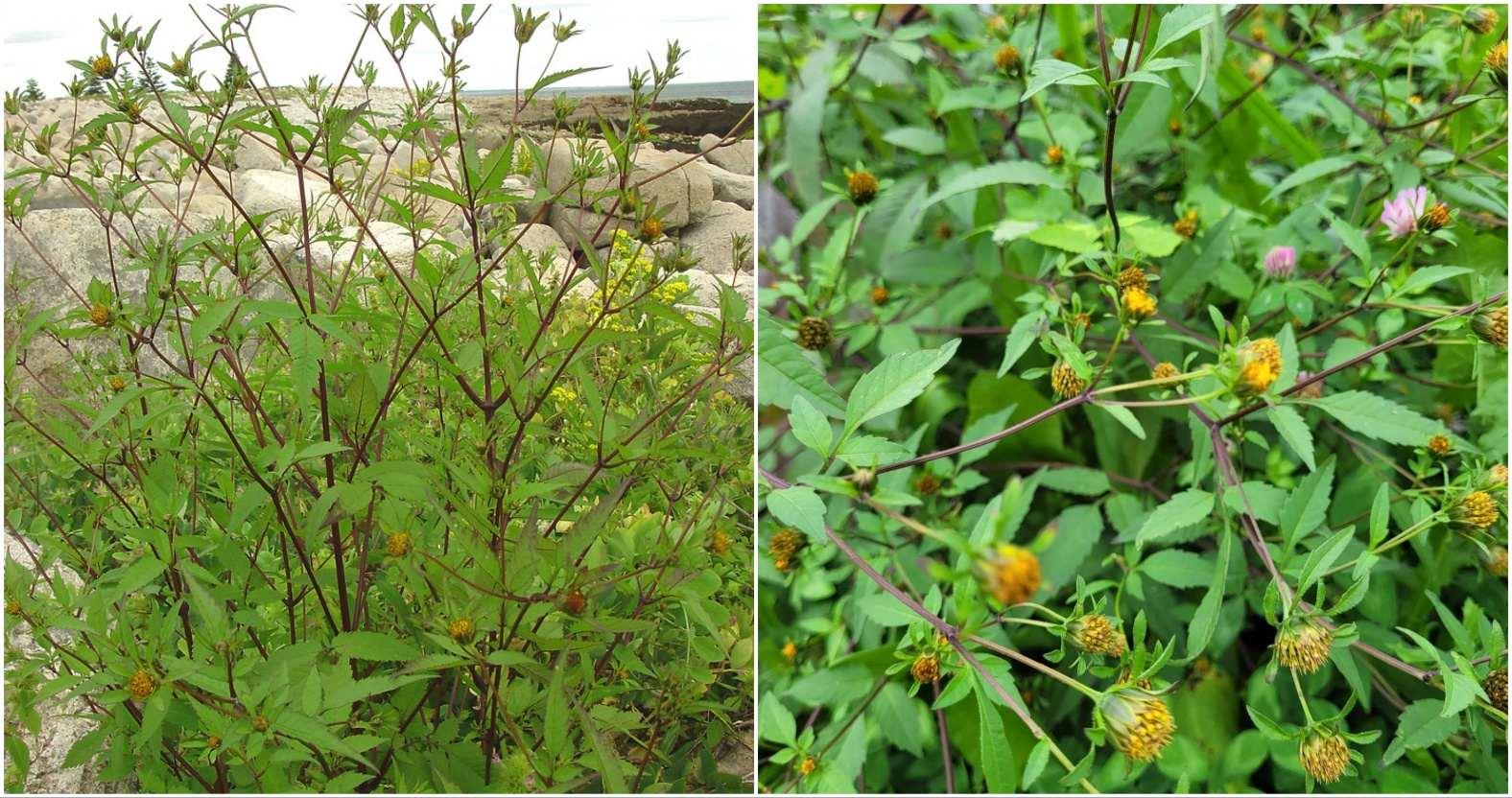
It is not yet clear whether the plant at Swinsty is the invasive species devil's beggartick.
'No plans to remove the plant'
Given the alarm such a warning might cause among dog-owners, the Stray Ferret contacted Yorkshire Water to ask if the assertions made on the poster were true, and if so, what the company planned to do.
A Yorkshire Water spokesperson told us:
We are aware of concerns around the potential presence of devil’s beggartick at Swinsty reservoir, however, we currently believe it to be a native species called bur-marigold, which is adding to the biodiversity around the reservoir. As a result, we do not currently have plans to remove the plant.
Nevertheless, while bur-marigolds are not considered to be particularly dangerous for dogs, the seeds can latch onto passing animals and be difficult to remove. We understand that this is frustrating but believe that its presence is limited to the shoreline, and if visitors stick to footpaths and keep dogs on leads, they should not have a problem.
They added:
We are commissioning a consultant botanist to confirm the species, and should it be the case that it is the devil's beggartick – an invasive species – we would take advice on how to manage the plant.
Regardless, we’ll continue monitoring whether the plant spreads to footpaths.
They added that Yorkshire Water commissions invasive species surveys of all its reservoirs every five years.
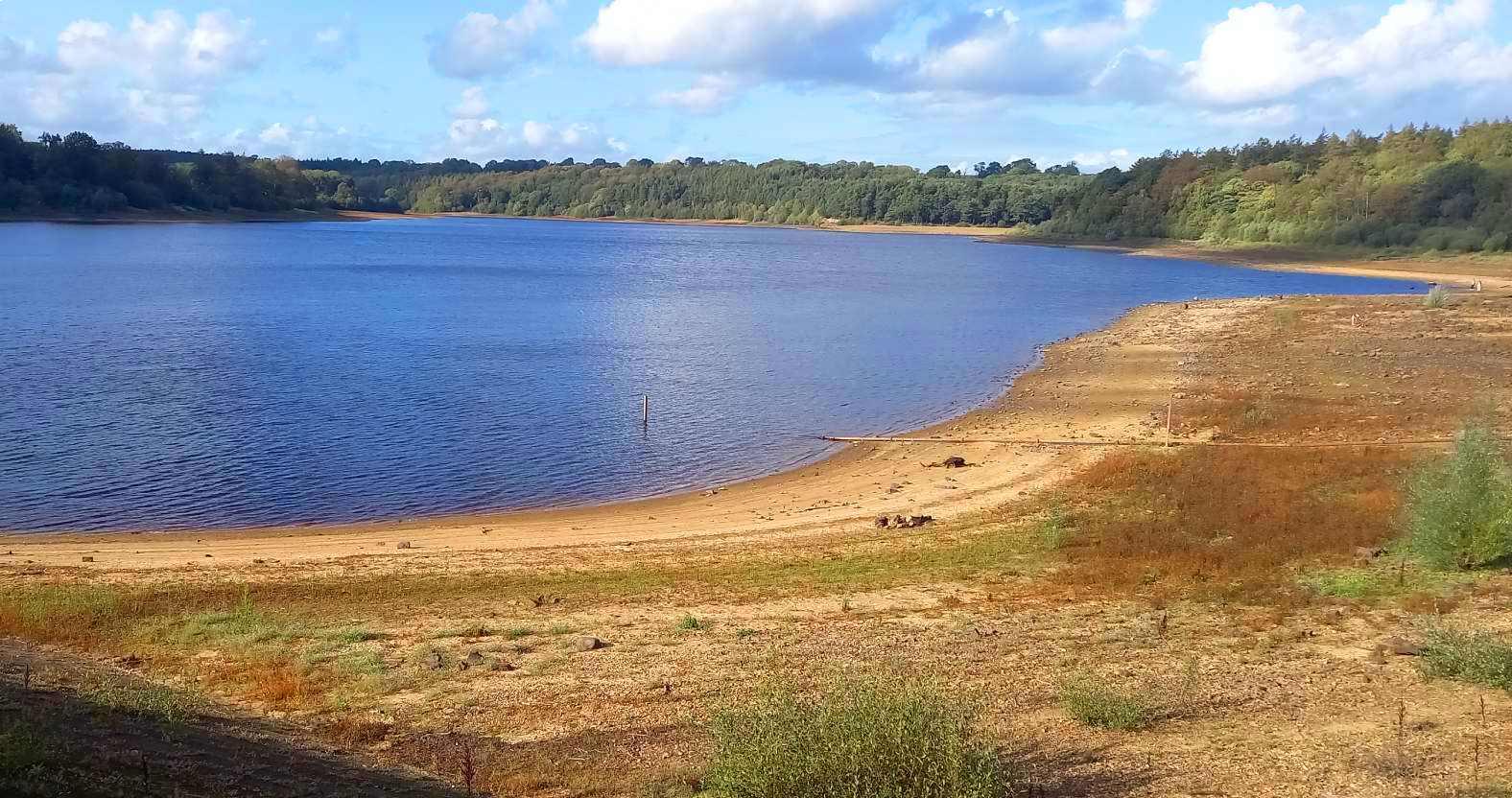
Swinsty Reservoir in autumn 2026.
'Barbed seeds can irritate your dog'
Just in case the plant is indeed devil's beggartick, which is native to much of the United States and Canada, we asked two animal charities for advice.
Roisin Bolger, veterinary standards lead at national pet charity Blue Cross, told us:
Devil’s beggartick thankfully is not toxic to dogs – it does not contain any poisonous compounds. However, any plant if ingested in large quantities can cause temporary tummy upset, such as vomiting or diarrhoea.
The barbed seeds are designed to attach to animal fur for pollination reasons, so they can get stuck on a dog’s coat. This can be irritating for the dog. Similar to grass seeds, if the barbed seed accidently make their way into a dog’s ear or eye or gets trapped between the toes, they could cause significant annoyance, pain and inflammation.
Following a walk, check your dog's coat for any seeds and remove any that may have become trapped. Pay particular attention to the areas between toes, under and around the ears and eyes.
If your dog appears itchy, or has any redness or swelling, it is best to contact your vet for advice.
Owners are ultimately responsible for their dogs.
The real autumn dangers to dogs
A spokesperson for national canine charity Dogs Trust said there are other plants, toxins, and environmental risks that dog owners should know about.
They said the charity's research had found that more than nearly nine out of 10 (88%) dog-owners cannot identify all of autumn's most common dangers:
- Toxic mushrooms and fungi: Some fungi can be toxic to dogs and species can be difficult to tell apart. Keep your dog away from mushrooms, using high-value treats to entice them into safety.
- Acorns and conkers: Acorns and conkers can make dogs unwell and may cause a dangerous blockage if swallowed.
- Rotting and mouldy fruit: Mould on any rotting food can be toxic to dogs, and some pips and stones can cause sickness or a dangerous blockage.
- Slugs and snails: Slugs and snails can carry parasites that are harmful to dogs.
- Ticks: Give them a post-walk once-over. Ticks can attach themselves to dogs and may transmit disease or cause irritation. Check your dog after walks, particularly in long grass or woodland.
The spokesperson said that owners of land where dogs roam should be aware of what plants are present and inform visitors where possible. But they added:
Ultimately, owners are responsible for checking their dogs and staying vigilant for any potential hazards.

0