Thank you for your interest in this story
To continue reading this article, subscribe to the Stray Ferret for as little as £1 a week
Already a subscriber? Log in here.
29
Oct
Yorkshire Water named among worst offenders in new national water sector report
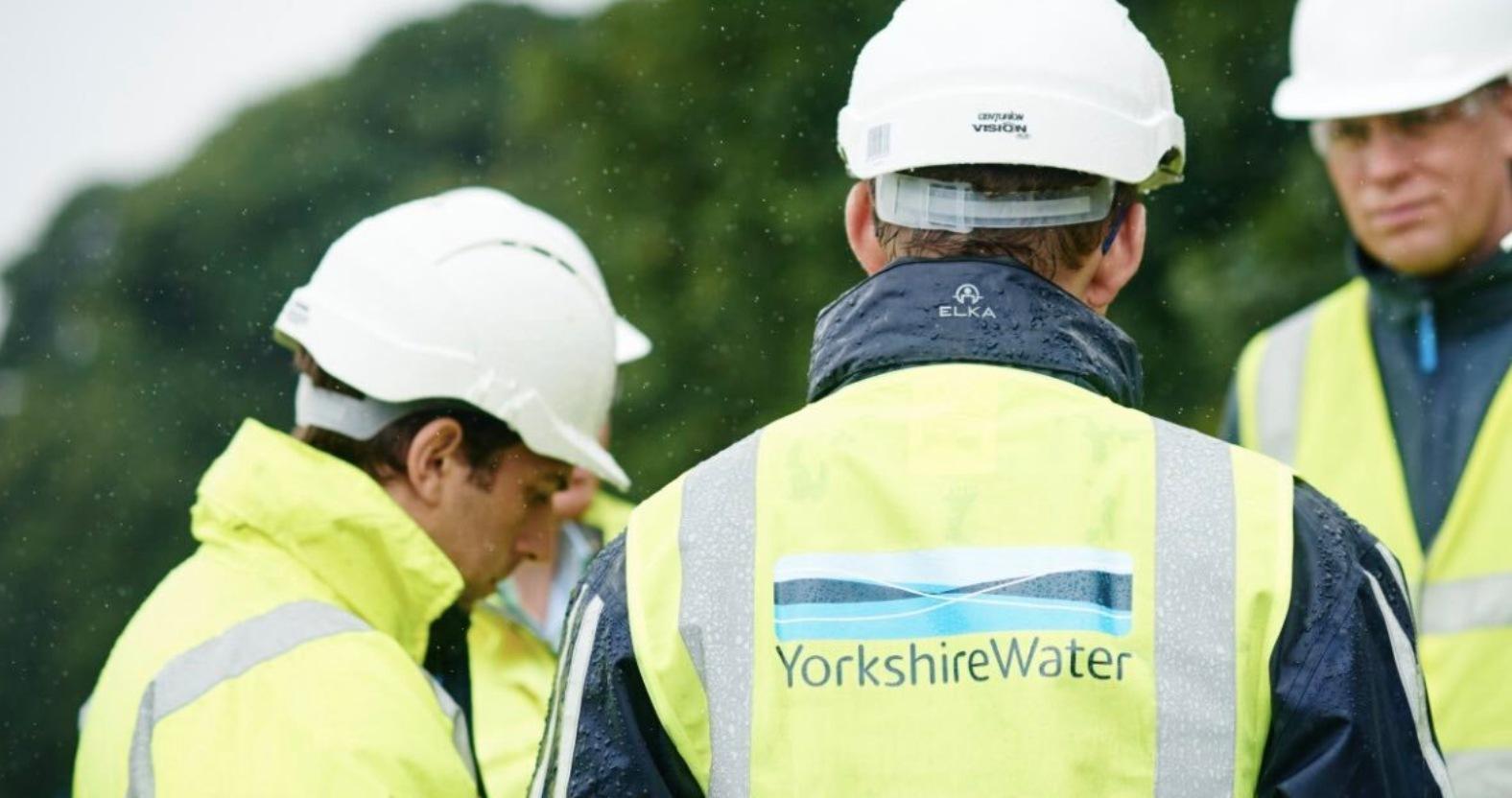
The downgrading of Yorkshire Water's performance from two stars to just one star out of a possible four was confirmed today with the publication of a national report by the industry's regulators.
The Drinking Water Inspectorate, Environment Agency, Natural Resources Wales and Ofwat have pooled their data to produce the first Water Industry Performance Insights report, which is billed as "a single, clear view of how the water industry is performing".
The report, which covers industry performance over 2025, focuses largely on pollution incidents, but also looks at compliance with discharge permits, sludge disposal, and delivery of the Water Industry National Environment Programme (WINEP).
Serious pollution incidents
It says the number of serious water quality pollution incidents "continues to be unacceptable", and singles out Yorkshire Water as one of the four water and sewerage companies most to blame.
Across England and Wales, there were 74 serious pollution incidents in 2025, and 61 of these came from the four companies (Thames Water: 24, Yorkshire Water: 13, Southern Water: 12, and Anglian Water: 12). The report adds:
These companies continue to have far more serious incidents than the rest of the sector.
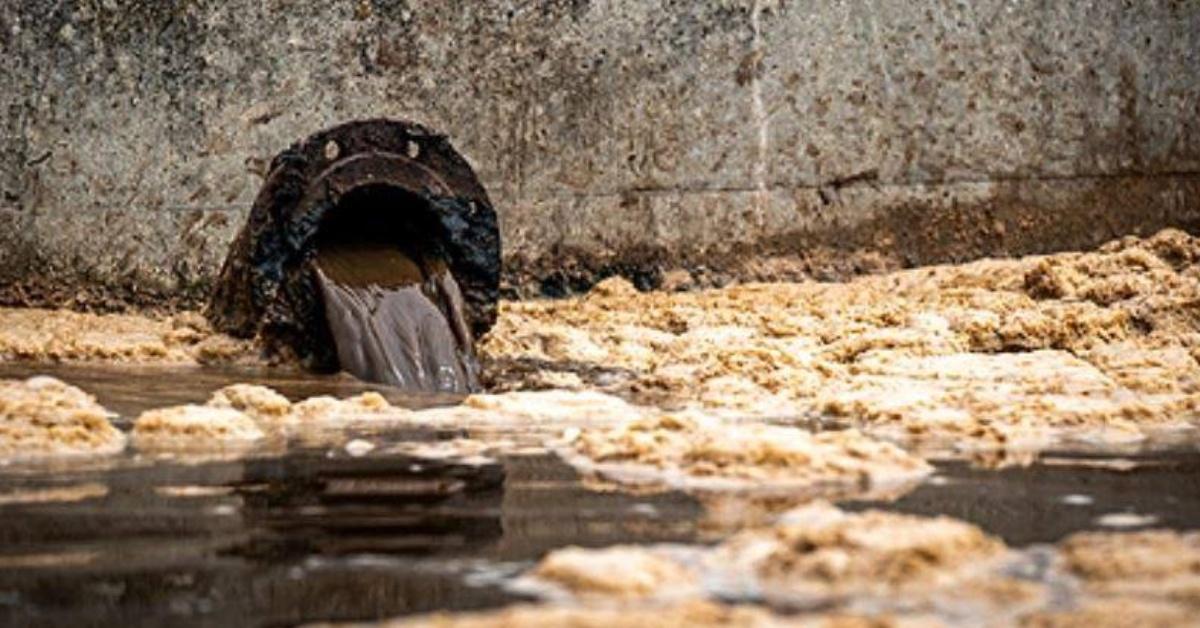
Pollution in a local river.
However, Yorkshire Water was not responsible for any of the year's six most serious (category 1) pollution incidents.
The total number of pollution incidents – large and small – remains "too high", with a 40% increase between 2016 and 2025.
Again, Yorkshire Water is among the four companies cited as the worst offenders. Thames Water had the most incidents (464) followed by Anglian Water (433), United Utilities (388) and Yorkshire Water (335).
Sludge
Waste management sites were also assessed, and 16 sewage sludge anaerobic digestion (AD) facilities were deemed to be in band E on an A-F scale, meaning they must significantly improve in order to achieve permit compliance. Two of these are operated by Yorkshire Water.
Yorkshire Water was also found not to have met its safety requirements at one of is reservoirs, although which one was not specified.
But Yorkshire Water does perform well by one metric. It is one of only two utility companies to achieve the target (green) for compliance with permits to discharge treated wastewater. The other is Severn Trent, which is the only water company to achieve a four-star rating overall.
'Customers will be disappointed'
Asked about the assessments contained in the report, a spokesperson for Yorkshire Water said:
Our environmental performance last year was not good enough and we understand that customers will be disappointed by this result. In particular, we need to reduce pollution incidents and improve the reliability of our environmental performance.
We are not waiting for these assessments to tell us that. We have already changed the way we are tackling pollution, with greater operational focus on preventing incidents, improving the health of our assets, and identifying problems earlier.
Alongside those operational changes, we are delivering Yorkshire's largest environmental investment programme, which will bring improvements in the long-term. We're moving at pace, with infrastructure improvements already completed at almost 300 locations in the past six months. Looking forward, we have plans to transform Scarborough's wastewater network and upgrade more than 450 storm overflows by 2030.
There is much more to do, and we will be open about where we are making progress and where we are not. The test for us isn't simply how much we spend. It is whether customers and the environment see better results.
'Slap in the face'
Harrogate and Knaresborough MP Tom Gordon said Yorkshire Water's downgrade to a one-star rating by the Environment Agency was "no surprise".
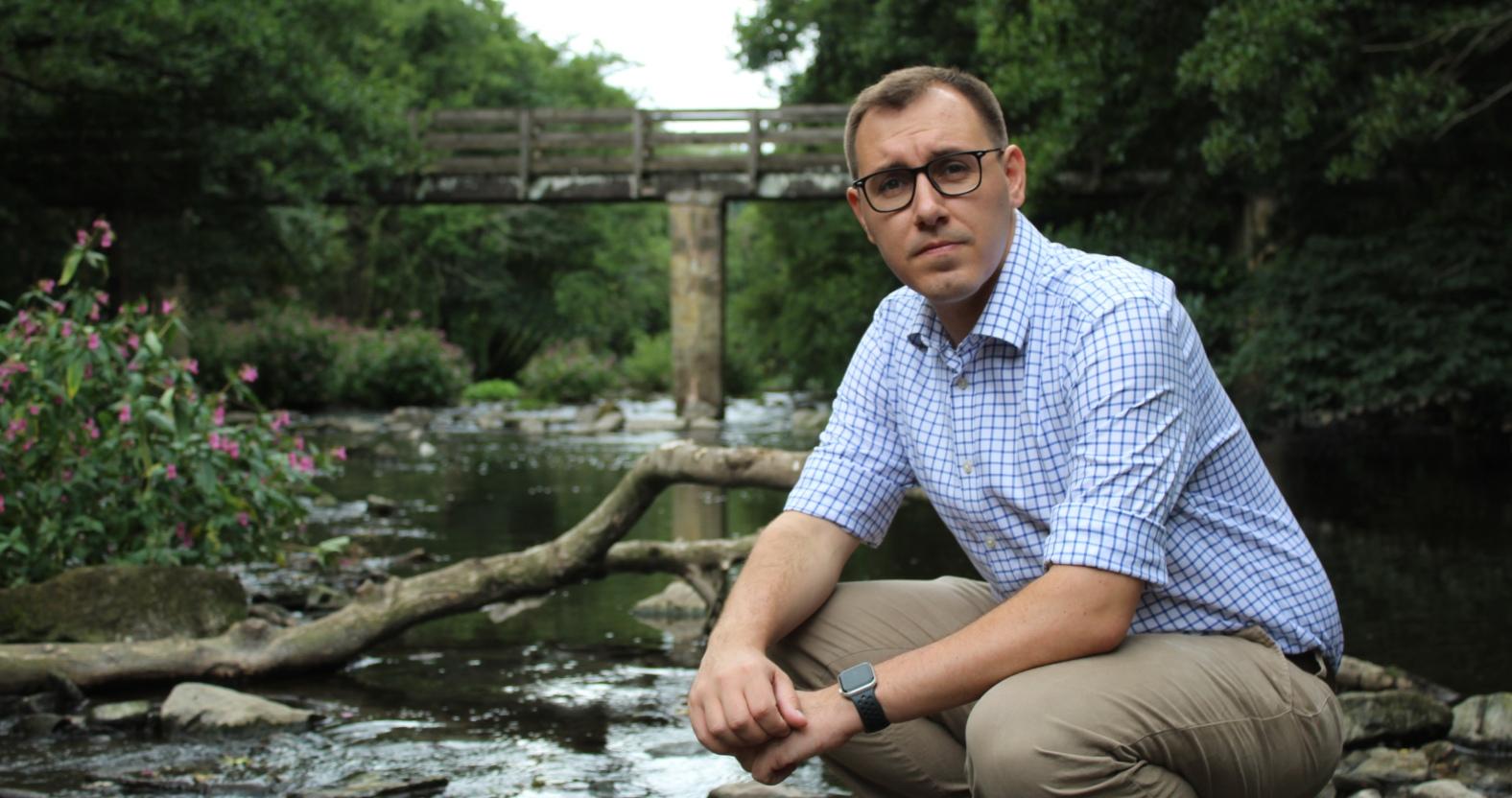
Tom Gordon MP.
He blamed "years of Conservative failure" and accused the Labour government of letting the company off lightly. He said:
Residents are watching their bills climb while sewage flows into our rivers. It's a slap in the face to every household in Yorkshire.
'Strengths to build on'
Despite the increases in pollution incidents, the report also says there are "strengths to build on". It states:
Drinking water quality remains among the best in the world, with 99.97% of tests meeting the required standards.
Companies have reduced internal sewer flooding in homes and local businesses by 43% in recent years.
Leakage has reduced over the long term, but with all companies facing growing pressure on water resources, particularly during drought, further reductions are needed.
Household consumption remains similar to the previous year, at 137.3 litres per person per day.
Water supply interruptions performance across the sector has improved, though some customers continue to experience long-duration interruptions.
Enforcement action
The Environment Agency said there had been a decline in its Environmental Performance Assessment (EPA) star ratings across the sector to just 16 stars out of a possible 36. It added that where performance fell short, it would not hesitate to take enforcement action, including prosecutions and financial penalties, against the worst-performing companies.
Photo: Yorkshire Water.
Philip Duffy, chief executive at the Environment Agency, said:
People expect two simple things: safe water from their taps and clean, healthy rivers. Today’s report shows good performance on drinking water quality, but on wastewater and pollution the sector is still falling short.
We are stepping up inspections and enforcement and will use our powers to hold water companies to account and drive the improvements people and the environment deserve.
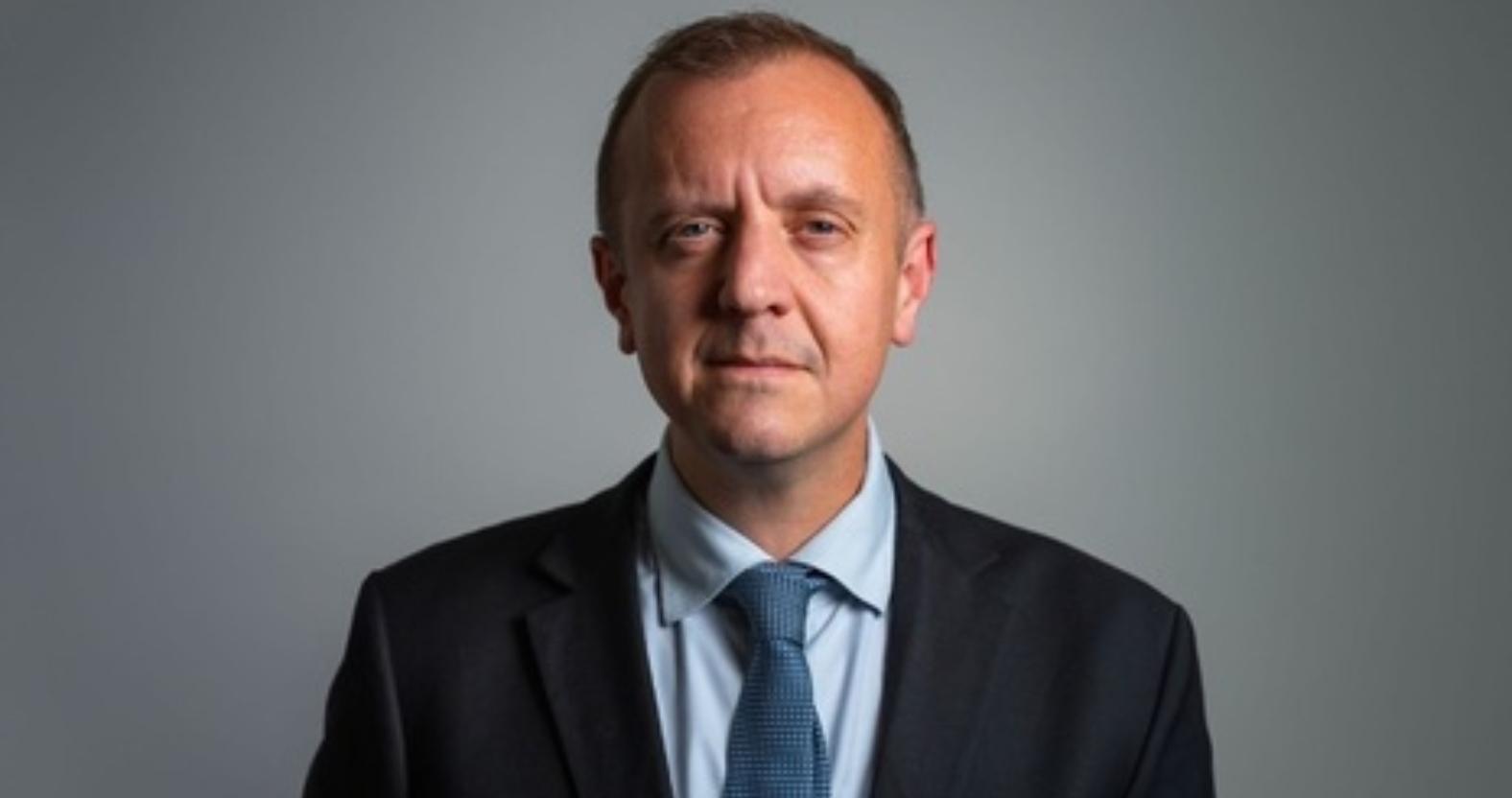
Philip Duffy, chief executive of the Environment Agency.
Helen Campbell, interim executive director for delivery at Ofwat, added:
Customers rightly expect the record investment approved by Ofwat to deliver tangible improvements in their daily lives and for the environment.
Over the past year we have seen some step up to this challenge, but this is inconsistent and poor performance continues in too many places.
The responsibility sits with water companies to deliver on what they have agreed to, and we will continue to work across regulators to drive stronger outcomes.

0