Subscribe to trusted local news
If you are accessing this story via Facebook but you are a subscriber then you will be unable to access the story. Facebook wants you to stay and read in the app and your login details are not shared with Facebook. If you experience problems with accessing the news but have subscribed, please contact subscriptions@thestrayferret.co.uk. In a time of both misinformation and too much information, quality journalism is more crucial than ever. By subscribing, you can help us get the story right.
- Subscription costs less than £1 a week with an annual plan.
Already a subscriber? Log in here.
29
Mar
Opinion: Leadership, football, and Harrogate Town’s struggles
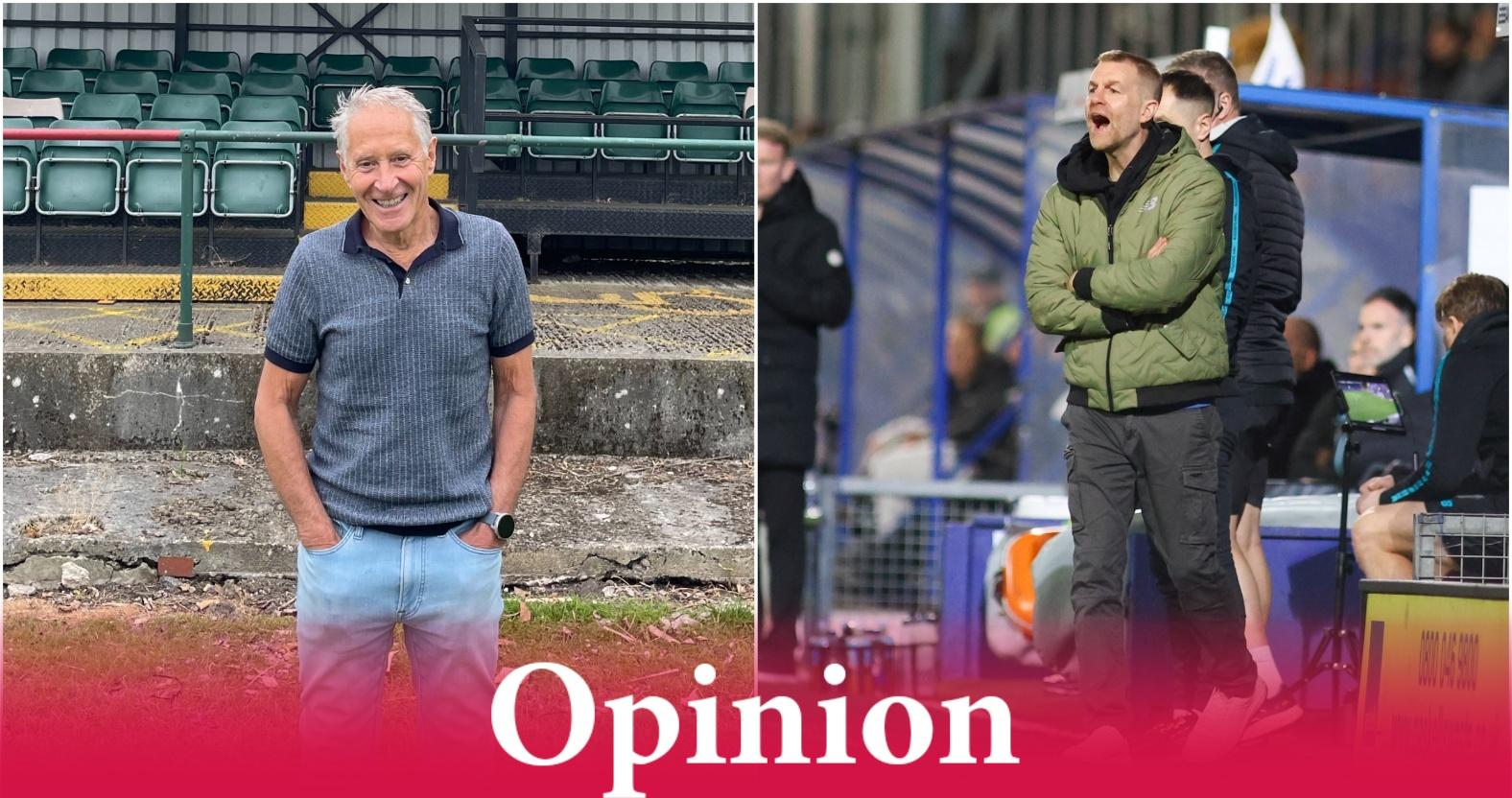
This opinion piece is written by Rob Northfield, former chairman of Harrogate Railway. Rob has extensive experience in football club stewardship and has dedicated much of his life to motivating others.
In the Daily Mail, Martin Allen, former Premier League footballer and manager, wrote:
“Without Rob Northfield’s help, I would not have won League Two with Gillingham and the National League with Barnet.”
Having spent more than 45 years studying leadership — what works and what does not — and applying those principles in real-life situations, I am passionate about understanding where people go wrong.
A football club is not just about footballers; it is about people first. Too often, individuals are treated as footballers first and human beings second.
There is no place for criticism, blame or excuses in leadership. None at all.
If we walked into an office shouting, “I told you what to do, and you didn’t do it!” — perhaps with a swear word added — we would be called a bully. Yet in football, this behaviour is often considered acceptable.
Not criticising does not mean ignoring problems. Leaders must address what is going wrong, but it must be done in an environment where people feel able to listen, accept feedback, and improve.
For three years, I coached Tom Heaton of Manchester United and England. We met regularly in a calm and open environment where we discussed strengths and weaknesses honestly. He could listen, give his opinion, take things on board, and then implement what we discussed.
Here, in my opinion, is the big secret to success:
Praise, praise, praise — and then more praise.
No matter how badly someone performs, a true leader will always find something positive to praise. When praise is missing, confidence drops, self-esteem falls, and performance suffers. You cannot undermine confidence and expect improvement.
A football manager has only 15 minutes at half-time to influence behaviour. Remember, they are dealing with people, not just footballers.
If I shouted and swore at you, how would you feel? Or if I criticised you in front of colleagues?
But if I started with praise and then calmly explained what needed to change, the response would be very different.
The Harrogate Town dilemma
So what are Harrogate Town getting wrong?
Injuries have been mentioned as one of the main reasons. In my opinion, every football club faces challenges over a long season — injuries, pressure, and loss of confidence. Some clubs face even greater difficulties.
Since I am not inside the club, I cannot say exactly why they are in the relegation zone. However, my experience tells me that when reasons are repeatedly voiced for poor performance, it can create an unintentional message: “We cannot do much better because the situation is against us.”
Even if this thinking is subconscious, it is powerful. It creates a way out — an excuse, for the players in the first instance.
When fans hear these messages, frustration grows, sometimes turning into anger, and this frustration spreads quickly on social media, making the situation worse. People do not like excuses — and neither do I.
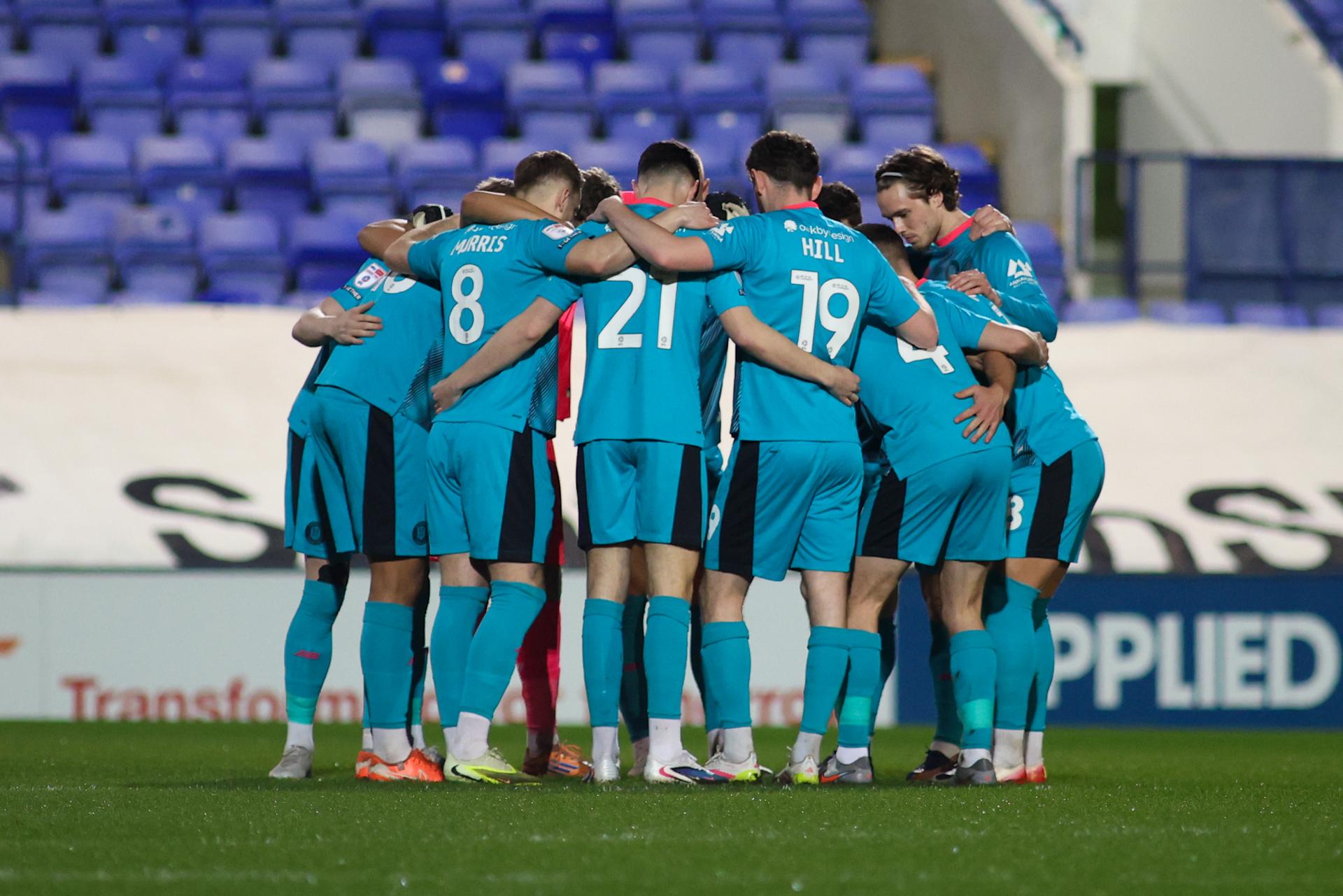
The club asks players to walk onto the pitch as a team — a team that encourages, communicates, works together, and never gives up. Yet off the pitch, management, staff, volunteers, and fans can sometimes become divided and publicly voice their frustrations.
When Martin Allen and I won Division 2, my message to him was simple:
Although you are not the owner of the club, your main role is not just to manage the football team — your main role is to be a leader.
A leader who brings together the owner, players, backroom staff, volunteers, and fans in harmony, so they become as strong a team off the pitch as the players are on it. One team, not a team on the pitch and a team off the pitch.
From what I see at Harrogate Town, that unity has not always been present.
Is it easy to achieve? Of course not — otherwise everyone would win the league.
My advice would be simple: never look for reasons why performance is not possible. Instead, put all of that energy into praise, encouragement, and positive leadership, while dealing with challenges in a way that is acceptable to everyone connected with Harrogate Town.
What I can say is this:
Show me any successful football club, village community, church group, company, and you will more often than not find an inspirational leader at its heart.
Tom Heaton once told me that Alex Ferguson spent 95% of his time walking around with his arm around players such as Scholes, Rooney, Beckham, and Ronaldo. That never made the newspapers. The famous “hairdryer treatment” did — and so that is what people mostly heard about.
The truth is simple:
Leadership is not about demanding.
Leadership is about people.
And leadership is a skill that takes many years to develop — practising good behaviour, not poor behaviour, every single day.

1