Thank you for your interest in this story
To continue reading this article, subscribe to the Stray Ferret for as little as £1 a week
Already a subscriber? Log in here.
09
Aug
Could a casino have turned Harrogate into the Las Vegas of the north?
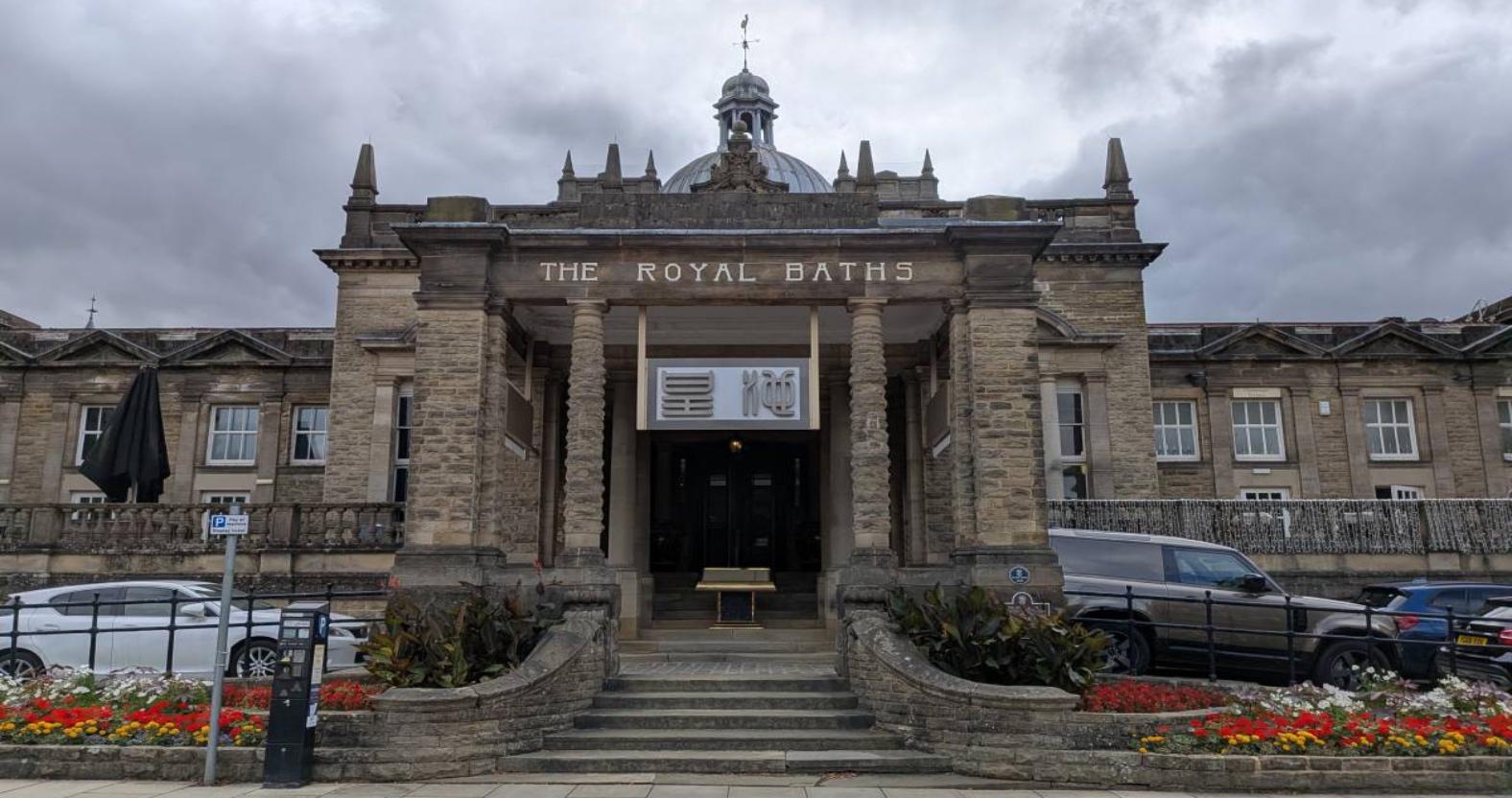
When visiting the Royal Baths at the beginning of the 20th century, you could bathe in sulphur-rich waters as a treatment for gout, among many other luxurious spa therapies.
But as Harrogate approached the new millennium, the town’s spa heyday was well in the past. The baths building was used only around once a week by local community groups.
Harrogate Borough Council, which owned the building, was desperate to revitalise one of its crown jewels and reverse the slow decline.
With the conference centre down the road, they envisaged a new casino on the site to win over delegates, featuring croupiers in tuxedos and spinning roulette wheels.
Predictably, there was uproar from Christian organisations and some residents, who feared it would lower the tone of Harrogate whilst attracting ne'er-do-wells and drug dealers.
Some even forecast a scenario where genteel Harrogate was given a nightmarish glow-up and transformed into the Las Vegas of the North.
A springboard for Harrogate?
The council began seriously flirting with the idea of a casino at the Royal Baths from around 1994. Yet the concept had been explored almost a century earlier. In 1907, Henry Buckland, Harrogate council’s manager of baths and wells, travelled to the famous casino of Monte Carlo to see how it operated.
In a glowing report he brought back to Harrogate, Buckland observed that authorities there were absolutely raking it in from gambling revenues while residents paid no taxes and "live in a veritable paradise".
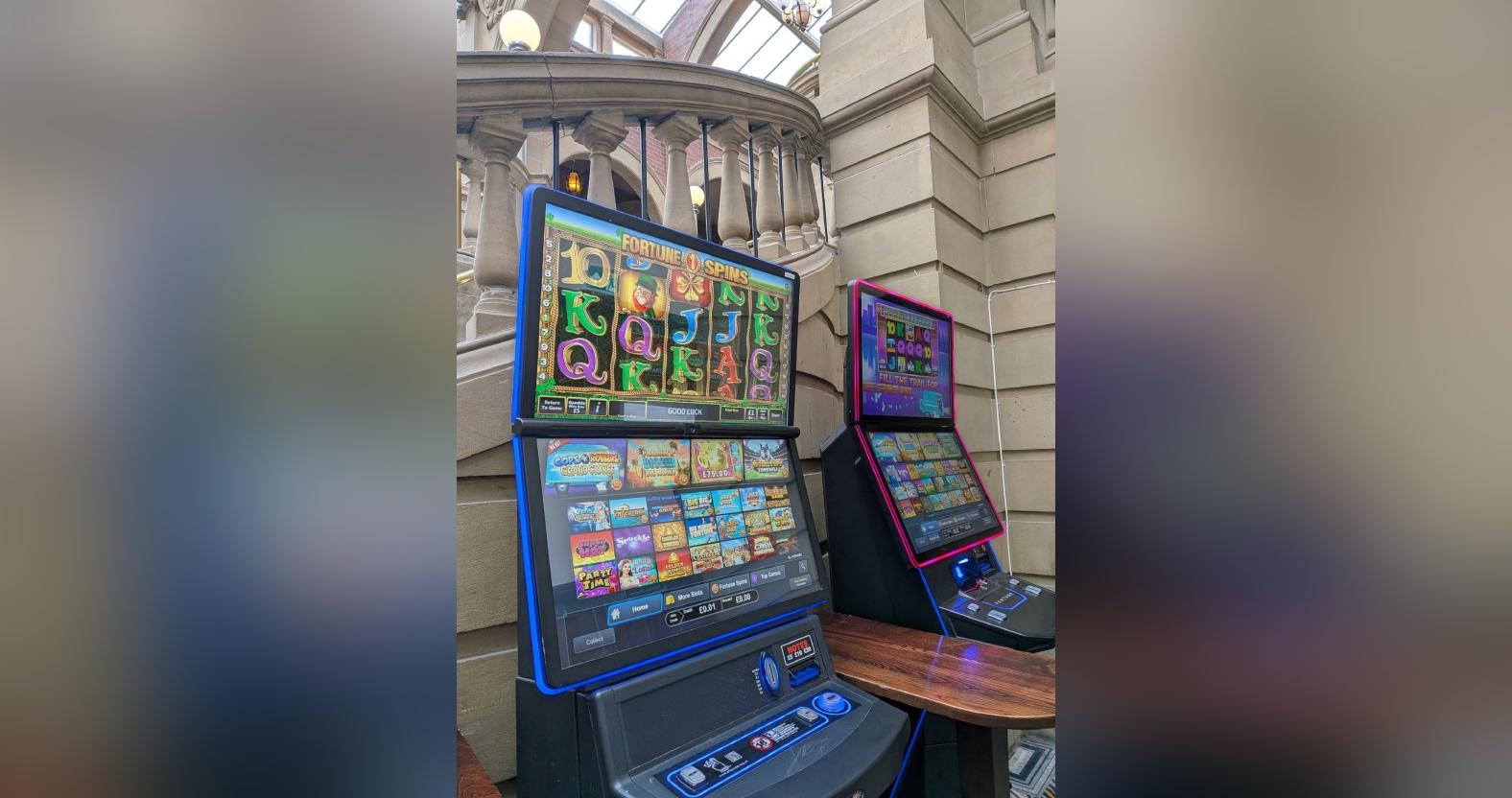
Fruit machines in the Wetherspoons in Harrogate.
In the 1960s, Harrogate actually had three small casinos, including one on Station Parade called the Savoy Club. However, the Labour government legislated against them and they were all closed by the end of the decade. Coincidentally, 1969 was also when the Royal Baths stopped offering health treatments.
Fast forward to the mid-1990s and casino licences were tightly controlled by the government, with only a limited number available nationwide.
The council had previously failed in bids to win one because Harrogate was considered too small and too close to other ones already open in Leeds. But after much lobbying, the John Major government agreed to include the town on a list of places that were expected to win approval.
Private gambling operators saw Harrogate as a place rich with potential and were ready to step in to lead a major £10 million redevelopment of the Royal Baths.
The council warned the town’s survival as a conference town could be at stake because it was falling behind rivals like Bournemouth and Brighton, which could offer conference delegates casino gambling.
Former council leader Phil Willis, who would go on to become the local Lib Dem MP, was a big proponent of the scheme. He said at the time:
It will provide a springboard to put Harrogate on par with the great European spa and casino towns like Monte Carlo and Baden Baden in Germany.
Pushback
As sure as the crocuses coming up on the Stray in springtime, a major council scheme will enrage some Harrogate residents.
After the council unveiled new plans for the casino in 1996, it immediately faced pushback from the town’s powerful Christian lobby. Churches Together, a group that represented different Christian denominations, demanded that the plans be scrapped.
One resident even wrote to the Harrogate Advertiser to say that a casino would bring “undesirables, gamblers, drug pushers and criminals” to the town.
But there were supportive voices too. Malcolm Neesam, the late Harrogate historian, was in favour as he believed the casino could bring a touch of class back to the Royal Baths building. He bemoaned the town centre’s “wretched amusement arcades” but hoped that the casino could offer a more tasteful variety of gambling. This is Harrogate after all.
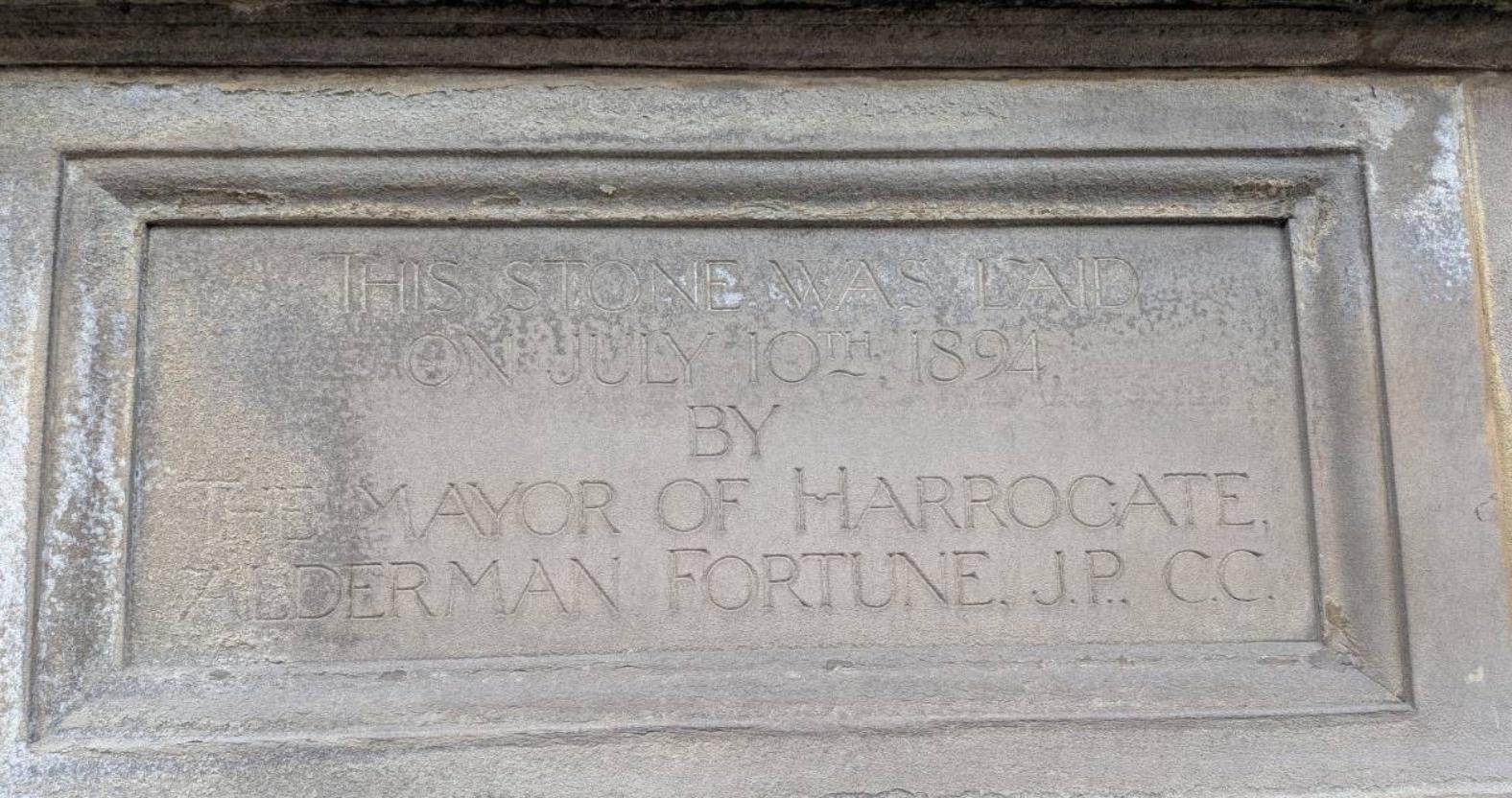
A commemorative stone at the Royal Baths building.
Labour came to power in 1997 at a pivotal moment in the campaign for a casino. A licence had yet to be granted for Harrogate and the issue did not appear to be an immediate priority for the new government. As a result, the council rethought its approach.
In October 1997, council leaders announced it would press ahead with plans to redevelop the Royal Baths site, minus its controversial casino. They told the press that holding out for a licence could mean they’d miss out on opportunities for the baths estate and see the building fall into rack and ruin.
The redevelopment, which included improvements to the Turkish Baths, was completed in 2002 and divided the vast site into individual units. Since then, the site has been home to a variety of businesses, including nightclub the Viper Rooms and the Royal Baths Chinese Restaurant.
Today, the only gambling you can do in the building is on the digital fruit machines at Wetherspoons.
Fortune favours the bold
When construction began in 1894, the Royal Baths was envisaged to be a building that Harrogate could be proud of. Walk past it on Parliament Street and you can see the foundation stone, which was laid by the mayor of Harrogate. He happened to be called Charles Fortune.
There was once something lucky about this building for Harrogate but today it is now a shell of its former self, neglected and unprofitable for its current owner, North Yorkshire Council.
The authority bet big on the baths when it paid £9m for it in 2018, but in 2026 there are probably officials in Northallerton with gambler’s remorse.
It made me wonder if Harrogate missed a trick by not pushing harder for a casino here in the 1990s.
With several of the Royal Baths units closed and new businesses seemingly unwilling to move in, perhaps it’s time again for the council to be bold and roll the dice once again.
Thomas also publishes a Leeds history newsletter called Bury the Leeds, which you can sign up to for free with your email address.

2