Thank you for your interest in this story
To continue reading this article, subscribe to the Stray Ferret for as little as £1 a week
Already a subscriber? Log in here.
04
Mar
Court of Appeal judges hear Harrogate Station Gateway legal challenge
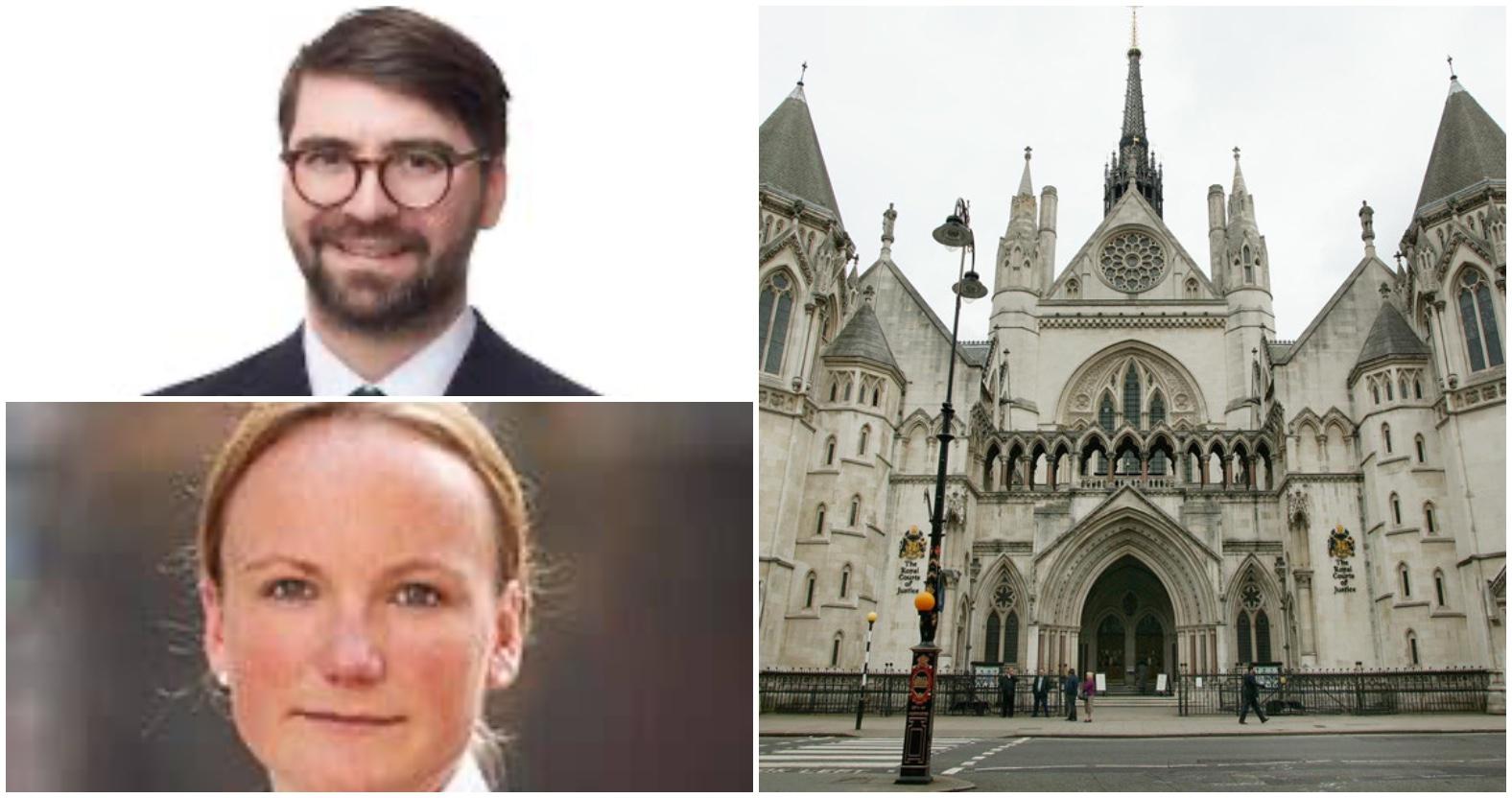
The Court of Appeal has held a hearing into a legal chalenge to the £14.6 million Harrogate Station Gateway scheme.
The Get Away campaign group launched a bid to stop the North Yorkshire Council scheme, which would involve major changes to Station Parade and Station Square, after it said the project would harm the town centre and waste public funds.
Judge Mark Ockelton rejected the group’s judicial challenge following a two-day High Court hearing in April 2025.
However, Get Away claimed the judge’s decision was flawed and won permission to review the ruling.
The hearing at the Court of Appeal was heard by Lord Justice Lewis, Lord Justice Zacaroli and Lord Justice Dove yesterday (March 3).
Victoria Hutton, planning barrister who represented the campaigners, told the hearing that the case centres around the implementation of Traffic Regulation Orders in the centre of Harrogate.
She said the orders, which were introduced in January 2025, have “as a matter of law” implemented part of the gateway scheme without further public engagement.
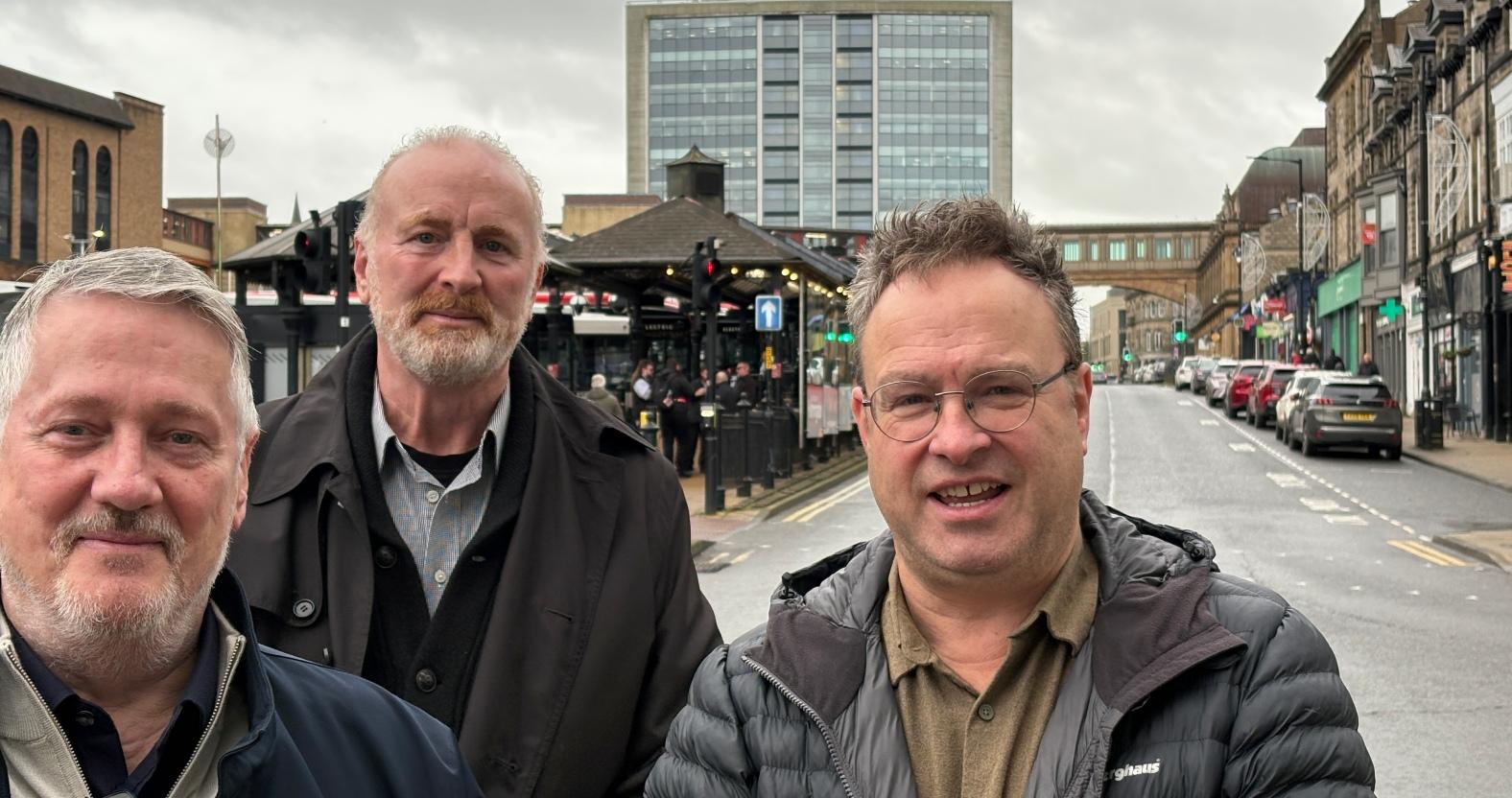
Get Away campaigners (left to right): Garry Sadler-Simpson, chairman of Mainline Taxis, Steven Baines, spokesperson for the Get Away campaign, and David Waddington, a consultant with Hornbeam Park Developments
However, Piers Riley-Smith, a barrister who represented the council, said the campaigners' case was “flawed” because the Traffic Regulation Orders, which included a bus lane and one-way system on lower Station Parade, did not implement the gateway scheme.
Mr Riley-Smith added that the project was more than just the Traffic Regulation Orders.
He said:
The scheme is a larger scheme than just legal changes to the road network in terms of bus lanes and one-way systems. It includes other elements which are not associated with TROs.
The Court of Appeal's decision will be made at a later date.
The key arguments
Get Away claims the High Court judge failed to acknowledge key legal and procedural issues and the ruling is flawed on three main grounds.
Firstly, it says the judge was wrong to say it was lawful to make the Traffic Regulation Orders without further public engagement, especially in light of a previous council resolution that required additional consultation and checks on matters such as affordability and funding.
Secondly, the group claims the judge was wrong to conclude it was lawful to make TROs implementing only part of the revised scheme, particularly when there was no certainty that the rest of the scheme would be delivered.
Thirdly, it alleges the judge ignored technical evidence.
However, Judge Ockelton ruled last year that the Traffic Regulation Orders were part of a broader, lawfully adopted transport scheme and that objections to the scheme itself were outside the scope of the challenge.

0