Thank you for your interest in this story
To continue reading this article, subscribe to the Stray Ferret for as little as £1 a week
Already a subscriber? Log in here.
03
Jan
Explained: What is North Yorkshire’s 20-year housing plan and when will it come into force?
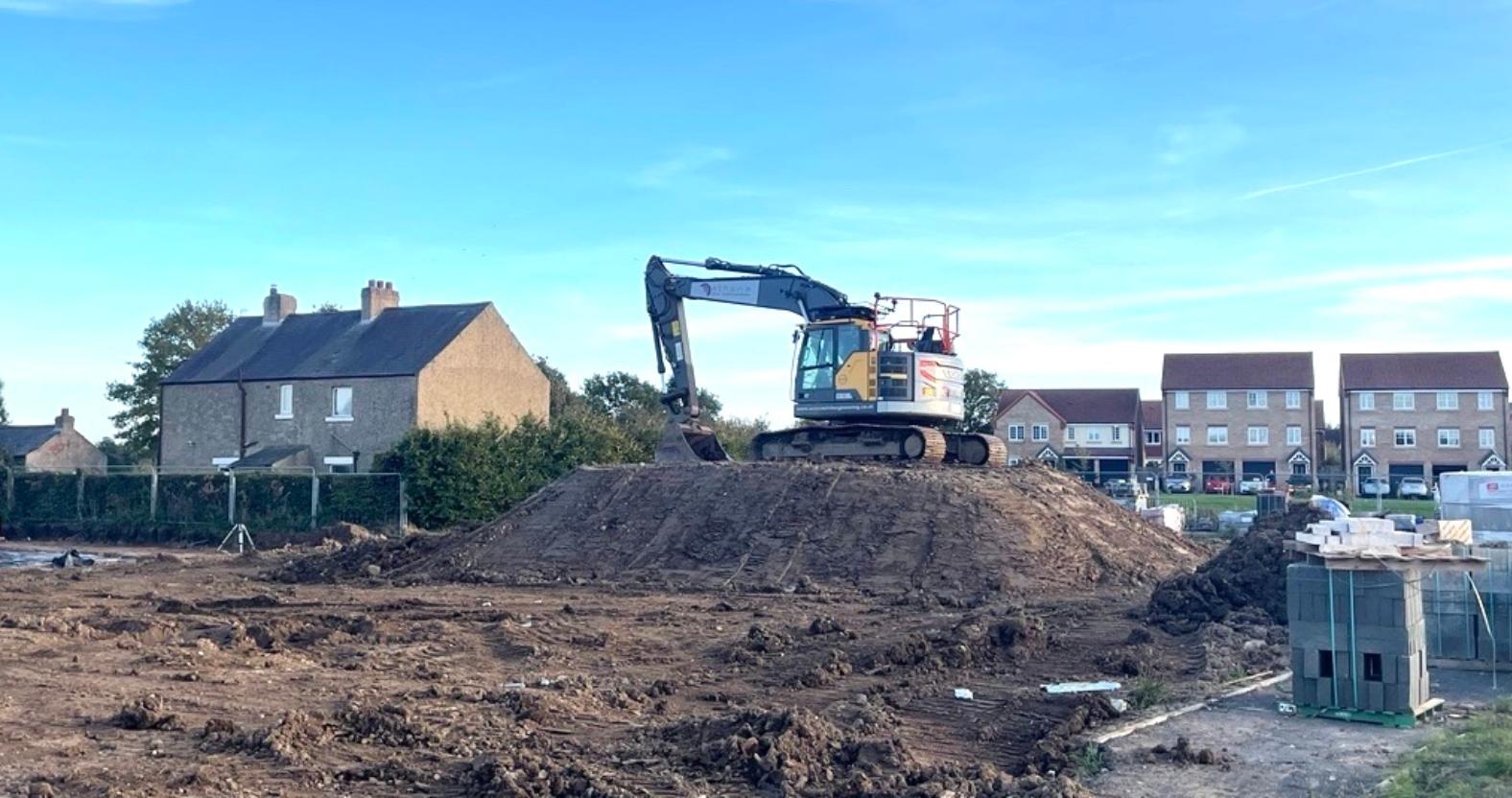
Since the government set mandatory housing targets at the end of 2024, the focus in North Yorkshire has been how to meet those demands — but also how to withstand any speculative schemes.
One way of doing so is to draw up a Local Plan, which would earmark housing schemes in the region for the next 20 years.
North Yorkshire Council started the process in earnest in 2024. But, the pace of progress appears somewhat glacial.
So what stage is the plan at and why is it important?
What is the Local Plan?
The North Yorkshire Local Plan will set out how much land should be provided – and where it should be – to accommodate new homes, jobs and associated infrastructure.
It is designed to cover developments for housing and employment for the next 20 years.
It will also include policies to protect the county’s natural and built environment.
The document is being drawn up by North Yorkshire Council and will supersede plans created by now-defunct authorities, such as Harrogate Borough Council which was abolished in April 2023.
What stage is it at?
Council officials made a call for sites in April 2024, which allowed landowners and developers to submit potential land for the plan.
The council submitted 47 plots of its own land to the call, which includes 15 in the Harrogate district.
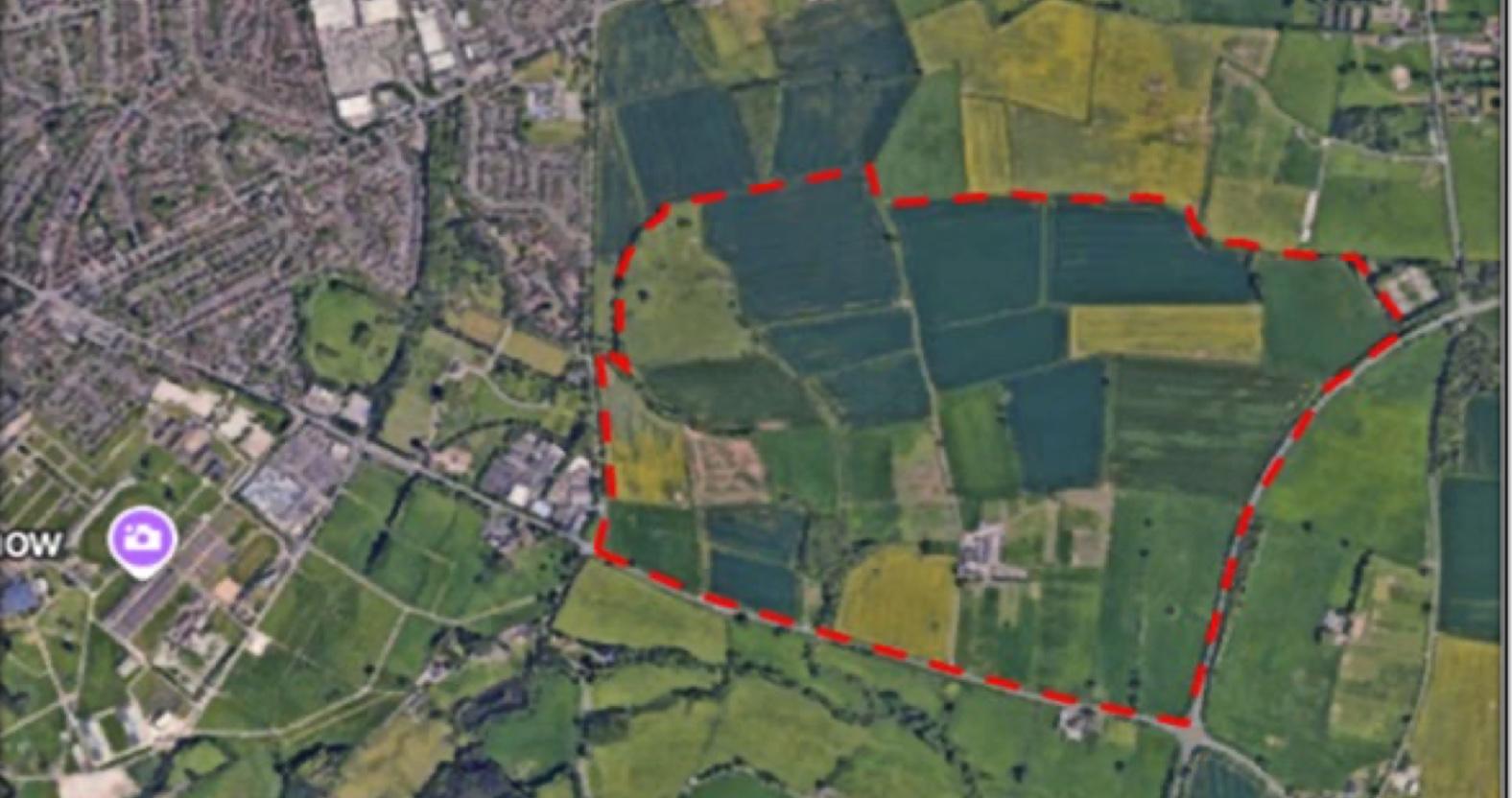
The Rudfarlington Farm site in Harrogate, which is included in the call for sites.
That process closed in November 2025 and, according to the authority, it is currently considering more than 2,000 sites.
However, the authority said it will consider reopening the call for sites once it has finished reviewing the sites.
What happens next?
Once the council has finished reviewing the sites, it will look to publish the submitted sites as part of its online maps — which it started to release in June this year.
In a statement on its website, the authority was keen to stress that the publication of the sites was not an indication that they are suitable for inclusion in the Local Plan.
It added:
The release of sites is to ensure transparency in the process and to allow the community to have early sight of the sites that have been submitted.
The council will not be accepting comments at this stage. A comprehensive consultation at a later date will seek the views of the community on all sites – at which stage further work will have been completed to give a greater direction as to whether such sites are likely to be recommended for allocation or dismissed.
The statement suggests that a public consultation on the sites in the plan is not expected to be carried out anytime soon.
The plan also has to be submitted to a government planning inspector for review before it can be adopted by the council — which will add more time to the process.
Why is the Local Plan important?
The main reason a Local Plan is important is that it gives the council a legal reason to refuse or accept planning applications.
Currently, there is a fear among local politicians that the region is a prime target for speculative schemes.
The concern is not unfounded. Developers routinely point to the fact that because the council does not have a Local Plan, it cannot demonstrate a five-year land supply for new homes.
This is compounded by the fact that the Labour government has imposed new housing targets on North Yorkshire of 4,156 new homes a year — it had previously been 1,361.
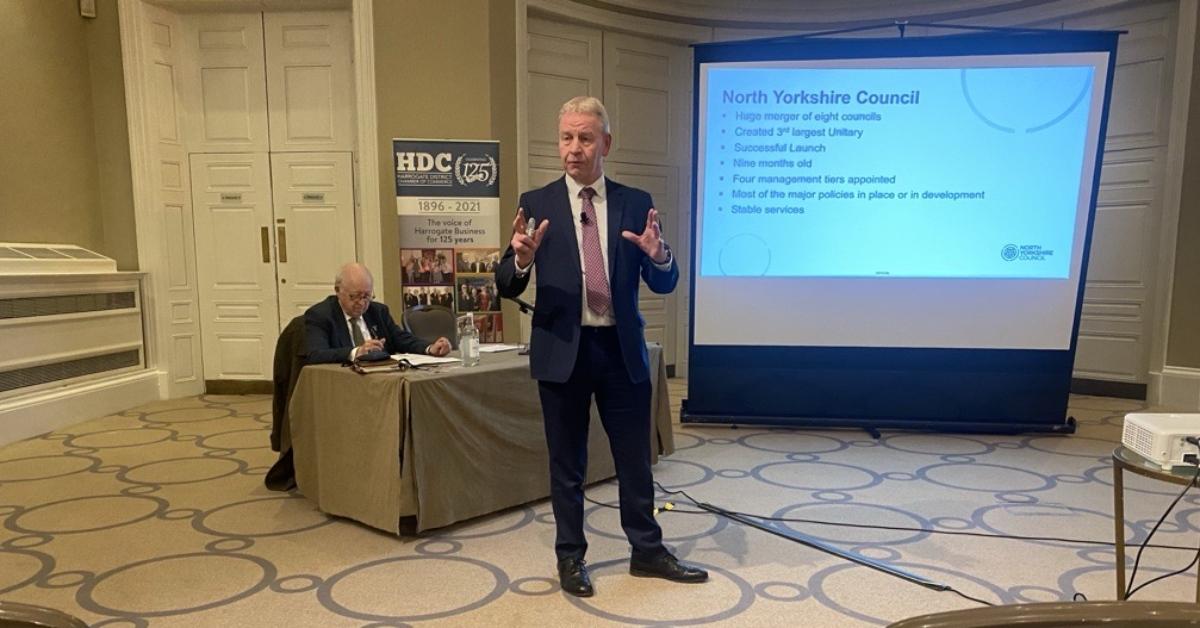
Richard Flinton speaking at a Harrogate district chamber briefing two years ago.
This anxiety was summed up by Richard Flinton, chief executive of the council, who told businesses at a Harrogate District Chamber of Commerce meeting in January last year that there was a fear that the council would be unable to refuse schemes due to the pace at which the government was moving.
He said:
My anxiety is that we want that plan-led approach. At the moment with the housing targets and where we are with the Local Plan, there’s a very real prospect that we have a number of years where we do not have a plan basis to resist speculative applications.
The council then unsuccessfully lobbied the government for a “transitional arrangement” where it could refuse some schemes while it draws up a Local Plan.
It’s fair to say that many councillors, especially those on planning committees, would like to see the plan in place so they can have a basis to turn down speculative applications.
However, it appears that they will have to wait a little longer — probably beyond 2026.

0