Thank you for your interest in this story
To continue reading this article, subscribe to the Stray Ferret for as little as £1 a week
Already a subscriber? Log in here.
13
Jul
Explained: What's happening with the expansion of Harrogate's Western Arc?
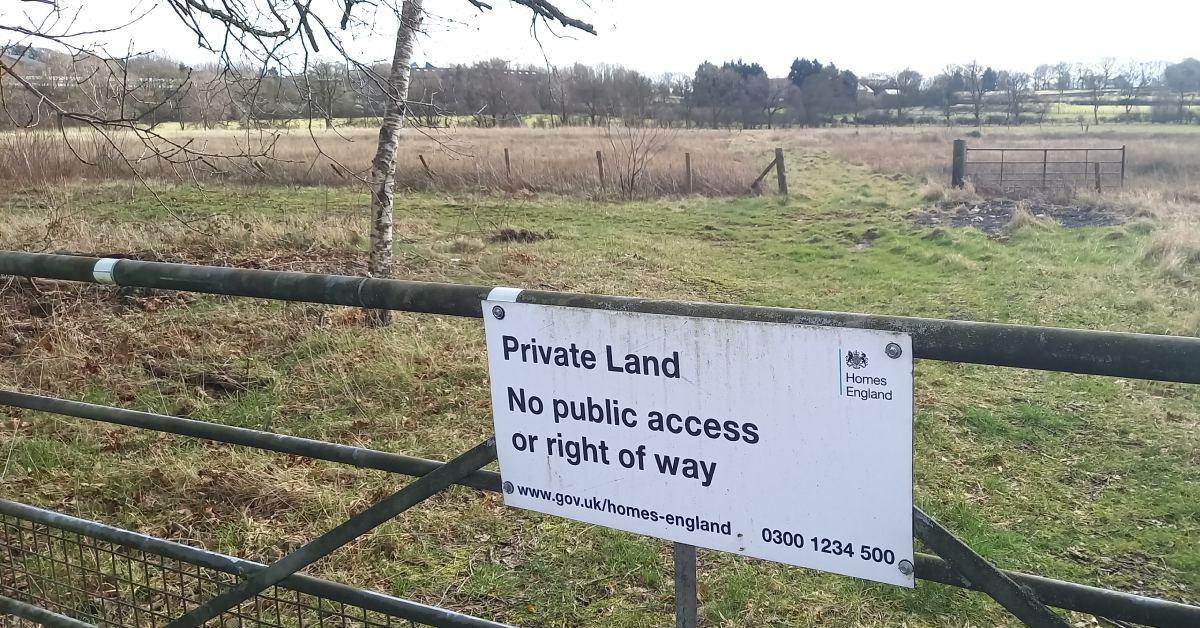
We’re not yet two weeks into July, but so far this month the Stray Ferret has already run articles on new housebuilding schemes that could see 630 homes built around the edge of Harrogate.
The two schemes we’ve reported on – one of them already approved, for 480 homes, and the other, for 150, only just mooted – are both part of the so-called Western Arc chain of developments, which could see Harrogate grow by more than 4,000 homes.
According to the Office for National Statistics, the size of the average UK household is 2.36 people. Multiply that by 4,000 new homes and you get an estimate for how many new residents Harrogate is set to receive: 9,440. That's more than the populations of Boroughbridge and Nidderdale combined.
Many residents have long been concerned by the plans. Some don’t want to see the town grow so fast, and others worry that the infrastructure needed to accommodate such large numbers of extra people – such as sewerage networks, bus services, school places and medical centres – simply hasn’t been sufficiently planned for ahead of development.
But these things happen slowly. Some of the plans only just coming to fruition have been on the drawing board for well over a decade – and others are nowhere near construction yet.
So where are we now, and why? Here’s what you need to know to understand future developments.
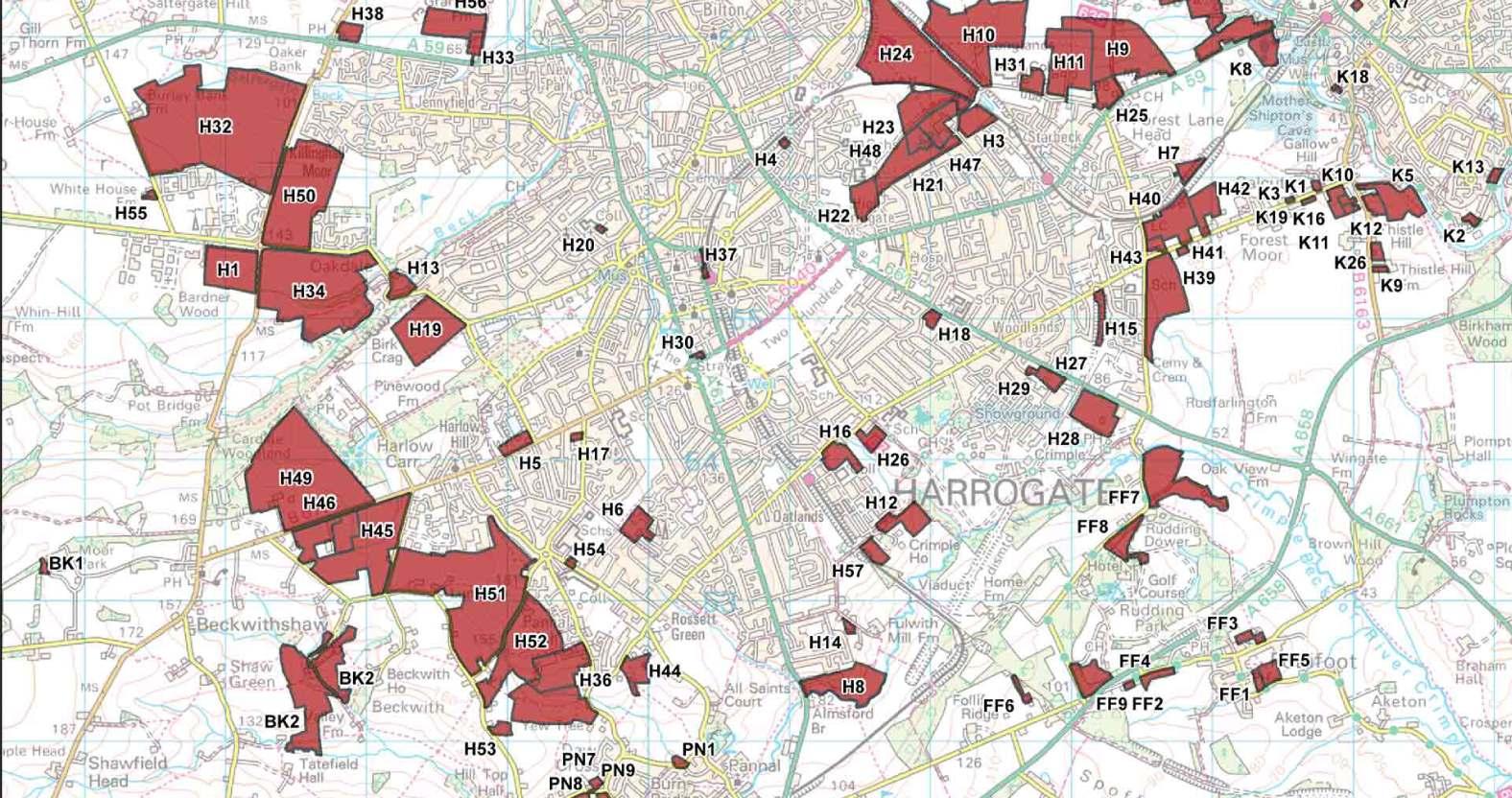
A map from 2015 showing potential housing sites around Harrogate.
Where will these homes be built?
The map above was published in 2015 and some site allocations have changed since then, but the pattern it reveals – an arc of new development curving around the western side of Harrogate – remains valid.
Current plans include the following sites.
Land east of Whinney Lane:
- H51 – Castle Hill West (Banks Group): 224 homes outline planning application approved, including a new primary school and 35 per cent affordable housing provision
- H51 – Castle Hill West (Gladman Developments): 480 homes and employment site, outline planning consent pending completion of s106 agreement
- H70 – 130 homes reserved matters scheme already approved, and an 83-home scheme has also been proposed by Quarters Life Ltd.
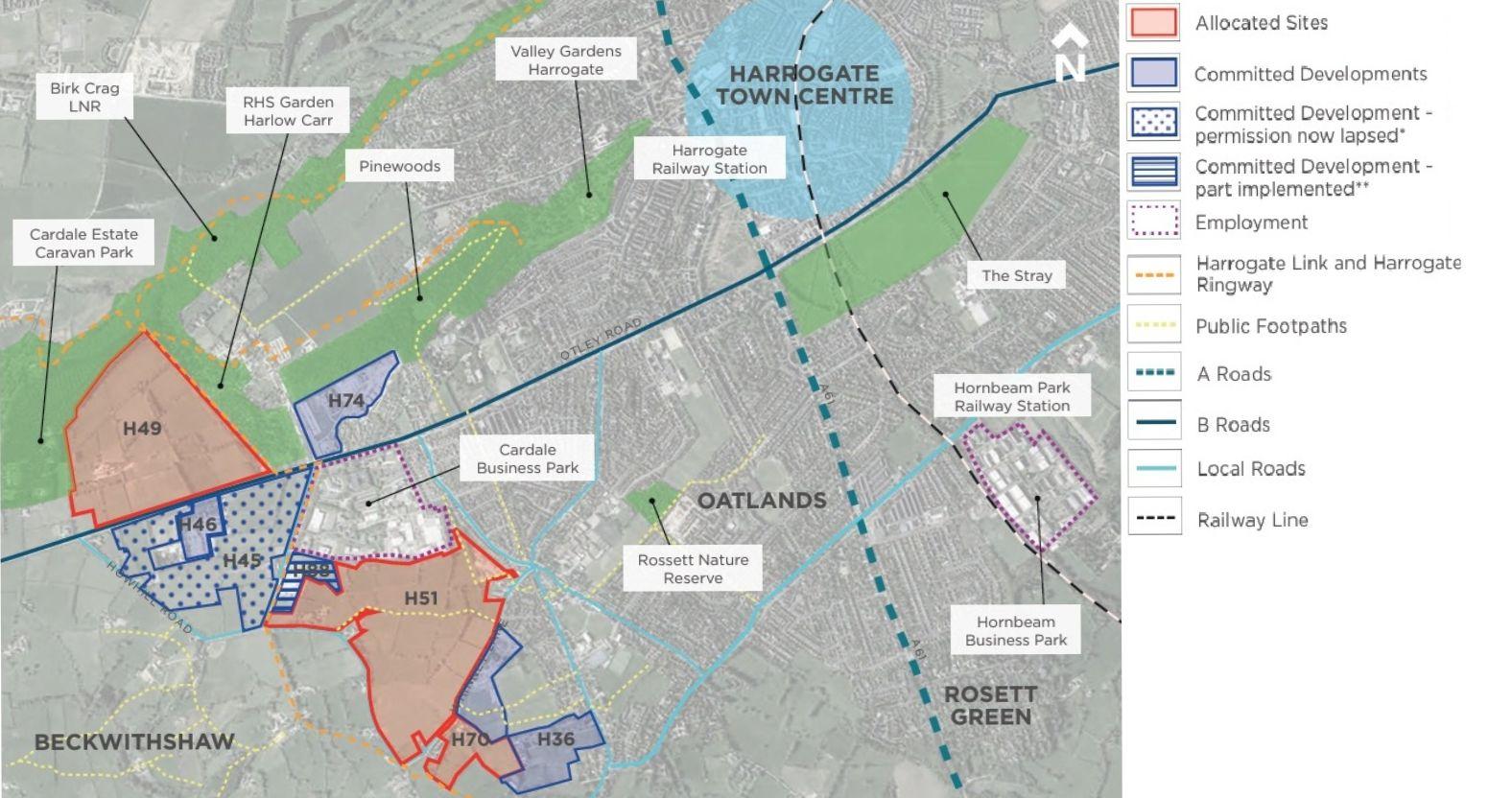
Development sites included in the West Harrogate Parameters Plan of 2022.
Off Otley Road:
- H45 – Bluecoats Park (Homes England): 480 dwellings with sports facilities, outline planning consent pending completion of s106 agreement
- H46 – Harlow Hill Grange: 125 homes already built by developer Charles Church and occupied
- H36 – Yew Tree Lane: A residential development of around 200 homes to be built on the old police training college site.
- H49 – Windmill Farm: A major allocation featuring approved plans for 770 homes, self-build plots, and a new primary school.
- H74 – Crag Lane: 119 homes approved, 63 of them already built in Taylor Wimpey's Snapdragon Way development
- H88 – a 4.22-hectare site on Beckwith Head Road allocated for mixed-use commercial and care development
Why do so many homes need to be built?
The urban exansion to the west of Harrogate was originally masterminded by Harrogate Borough Council to fulfil central government housebuilding targets.
The current government has set a target of 300,000 new homes annually, but at current rates of delivery, only 167,500 are forecast to be built annually until 2030 – meaning the housing shortage looks set to continue.
The Harrogate district – which included Ripon, Knaresborough, Masham, Boroughbridge and Nidderdale – was assessed in the Harrogate District Local Plan 2014–2035 as needing 13,377 homes over the period up to 2035, but the plan actually provided for 16,077, or 20% more.
The western side of Harrogate was designated to absorb nearly 25% of the district's housing needs, i.e. nearly 4,000 houses.
The 20% over-provision was justified at the time by Harrogate Borough Council on the grounds that some sites might fail to be delivered, or could end up with reduced yields. Yet applications have been made for all the proposed sites in the west of Harrogate, and developers have on average applied to build 14% more homes than stipulated in the local plan.
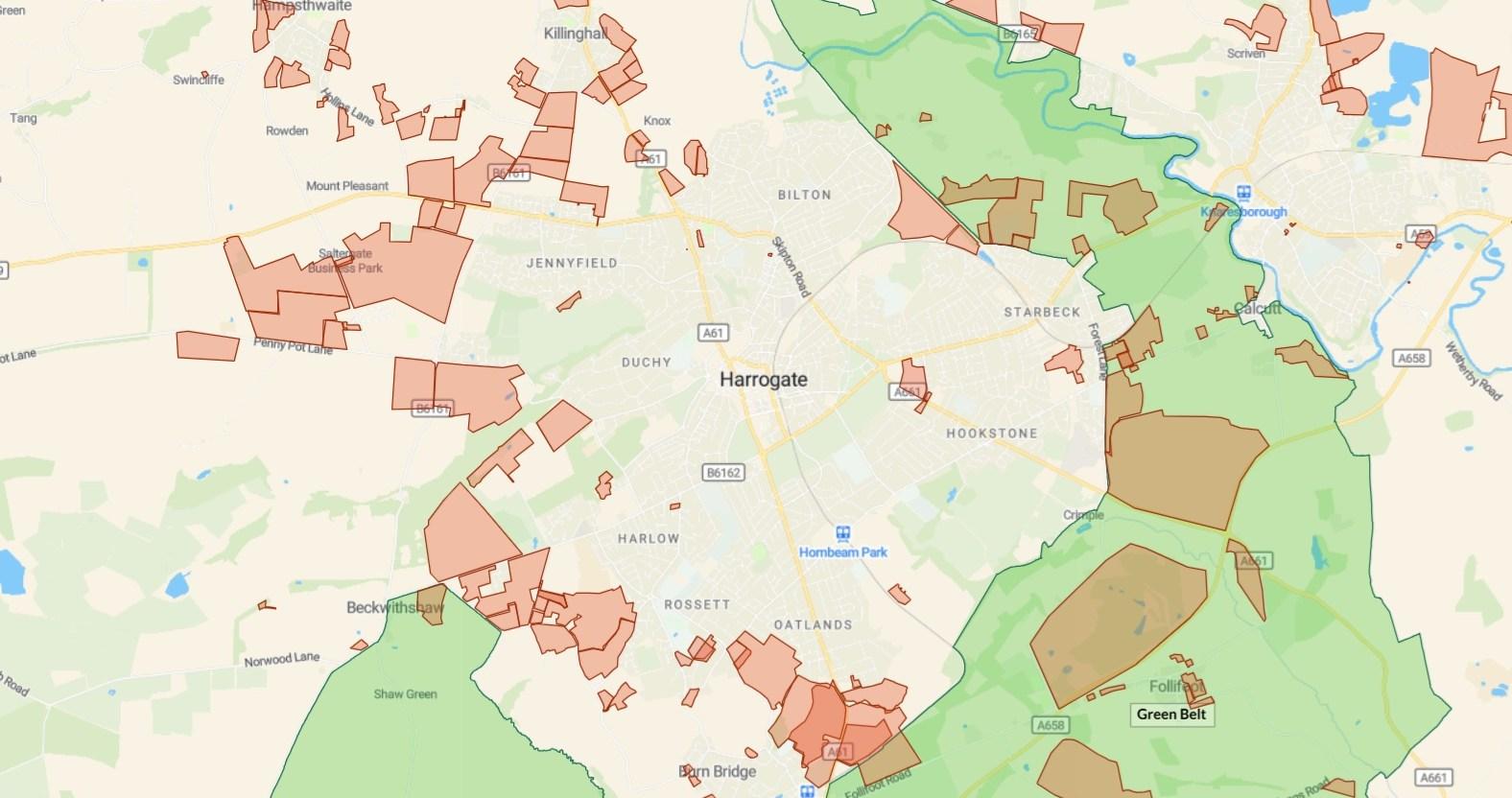
The sites submitted in response to the North Yorkshire Local Plan call for sites. Some may never be developed, but the map illustrates the extent of developers' ambitions.
Revised government housebuilding targets demand more than 300,000 new homes per year, which could mean even more homes will need to be built in the area.
Why here?
The local plan singled out the west of Harrogate for major housing expansions because it lies near the town's primary employment and leisure hubs.
A look around the fringes of the town on the map revealed large tracts of available land to accommodate thousands of new homes while supporting local growth targets.
What kind of houses will they be?
According to the local plan, 40% of the new homes around the west of Harrogate are supposed to be affordable, and developers appear to be roughly sticking to that figure in their planning applications.
'Affordable' housing generally refers to homes for sale or rent at 20% or more below local market values. But, given that the average house price in Harrogate is around £400,000 according to Rightmove, new homes going for £320,000 will remain unaffordable for many.
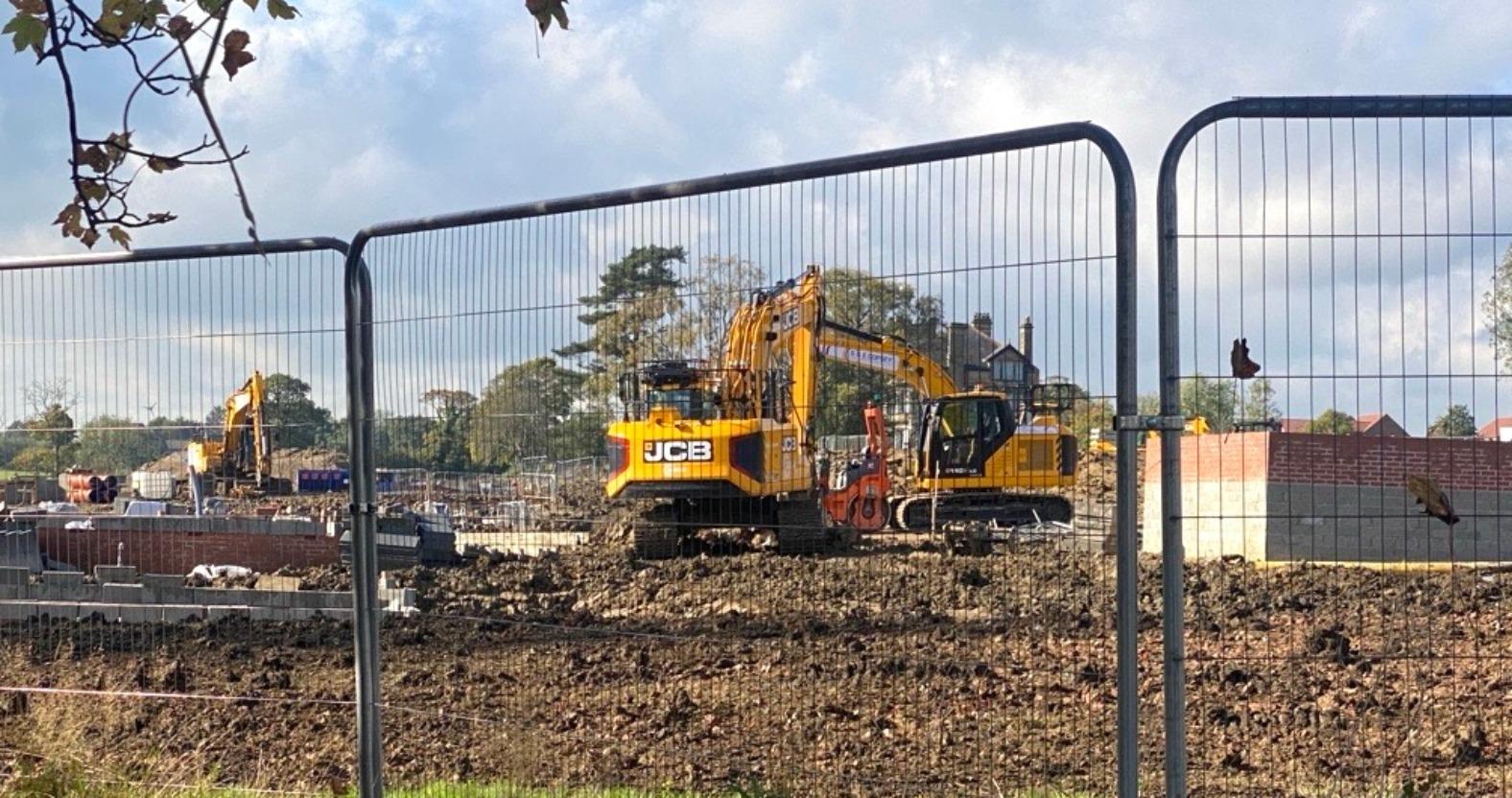
Housebuilding off Yew Tree Lane in Harrogate.
When will these houses be built?
Some have already been built, for example, at Taylor Wimpey's Snapdragon Way, opposite RHS Harlow Carr, and the Harlow Hill Grange site on Otley Road.
Some are in the process of being built, such as those on the former police training site on Yew Tree Lane, and others have not yet left the drawing board.
So far, the proportion of the planned total believed to have already been built is around 20%.
How will the infrastructure cope?
The west of Harrogate is acknowledged as being infrastructure-poor, with little in the way of public transport, medical or educational facilities.
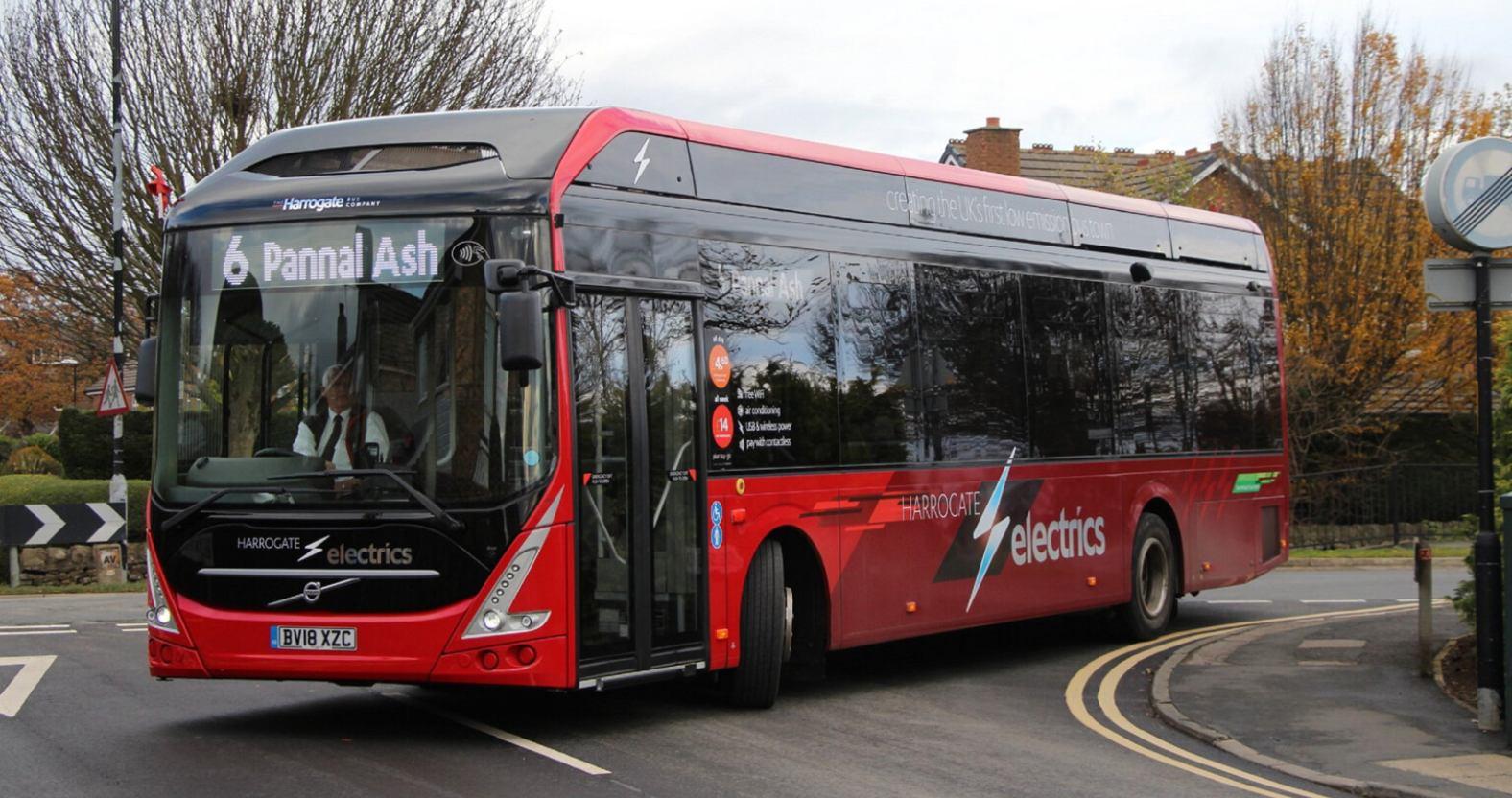
The event is hosted by Zero Carbon Harrogate
It has been estimated that the forecast number of new houses in the area could see more than 6,000 extra cars on the road, 2,500 of them in the peak hours.
This has caused concern because some of the minor roads around the new developments, such as Whinney Lane, are narrow country lanes unsuited to large volumes of traffic. The main roads too have their problems in a town already suffering from frequent congestion on its arterial routes.
As a result, campaigners such as Harrogate District Cycle Action have accused the council of prioritising motor vehicles in its western expansion and have warned of the coming "carmageddon".
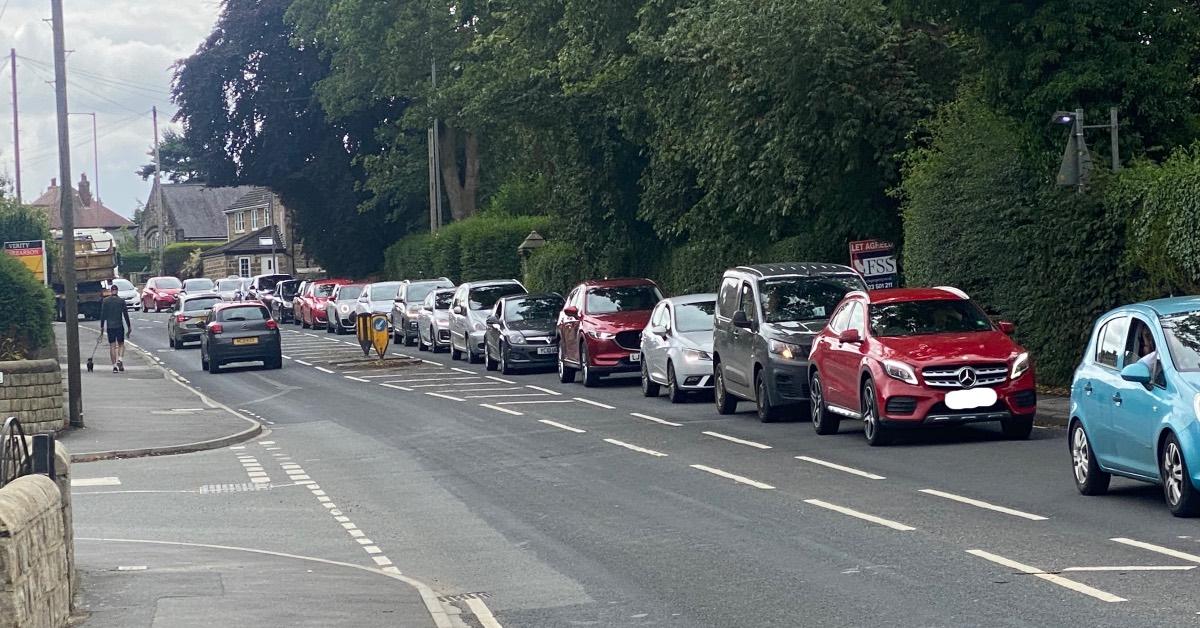
Queuing traffic in Killinghall.
Other areas of concern include services such as schools and medical provision, and the sewerage system, which residents fear is inadequate to cope with the extra volume of effluent.
Some of these are addressed by section 106 agreements, in which developers agree to finance certain defined infrastructural improvements as a condition of their planning permission.
For example, Homes England has committed to paying more than £6 million for a whole shopping list of items as part of its development of the Bluecoat Park scheme, including £1.9 million towards a new primary school (or towards existing primary schools if a new one is not developed), £1.6 million to three existing secondary schools, and £394,000 towards local healthcare provision.
The Stray Ferret will continue to monitor progress on the Western Arc on behalf of readers.

0