Thank you for your interest in this story
To continue reading this article, subscribe to the Stray Ferret for as little as £1 a week
Already a subscriber? Log in here.
25
Aug
Harrogate ADHD expert responds to controversial Channel 4 documentary
Channel 4’s recent documentary about ADHD in children has certainly got conversations started.
The programme, called The Great ADHD Myth?, featured a number of experts who discussed how ADHD is perhaps being over diagnosed and their concerns about medicating children.
The show’s host, NHS psychiatrist Dr Max Pemberton, concluded ADHD was "a social construct, not a disorder of the brain".
While some have welcomed the conversation around societal factors leading to diagnoses, many – including ADHD charities – have criticised the documentary, with some even complaining to Ofcom.
The Stray Ferret approached Harrogate neurodevelopmental assessment experts Evolve Psychology for its view.
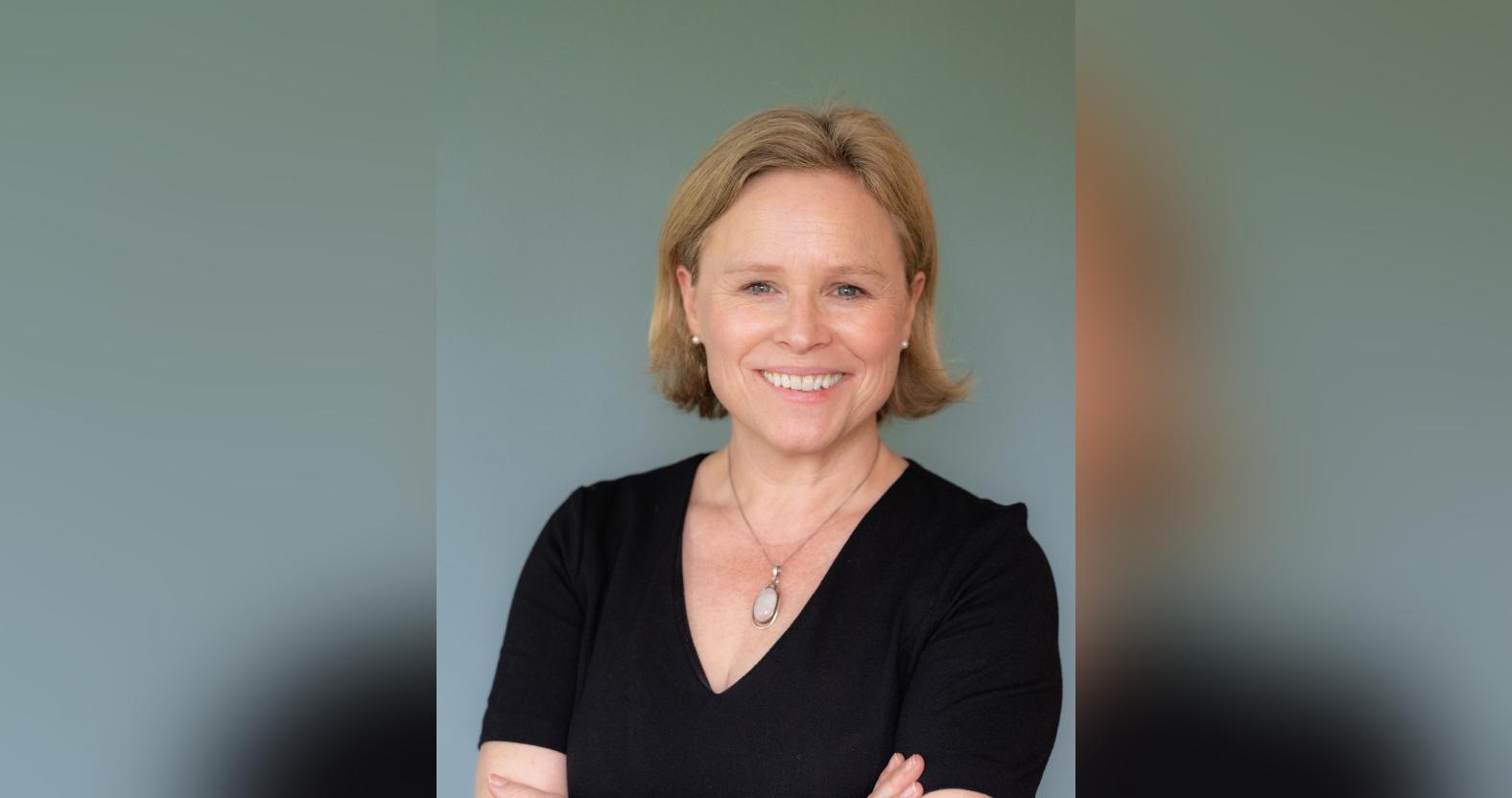
Kate Crawford-Blake, head of Evolve Skills and speech and language therapist, said that the documentary had “prompted a lot of conversation - and, understandably, some strong reactions from the ADHD community”.
She continued:
The programme was perhaps over-ambitious in terms of the ground it aimed to cover given the complexity of ADHD, the assessment process and the impact of both lifestyle and medication. As a result, it didn’t do justice to the key questions around how challenging it is for a neurodivergent person to thrive in a neurotypical society.
The programme highlighted the importance of an expert and thorough assessment process, however they simplified the assessment criteria and did not mention the robust clinical benchmarks that have to be evidenced from childhood and cause impact in daily living.
Ms Crawford-Blake also pointed out that in her experience, if someone has got to the point of seeking an assessment they have been hugely challenged by symptoms in their daily life.
She added:
We agree with the programme’s suggestion that lifestyle can make a difference. Certainly diet, exercise and screen management can support the regulation of a person’s nervous system – which is positive for most people and certainly those with ADHD. Beyond that, for some people with ADHD, strategies to support executive function and concentration such as using reminders and alarms, headphones and movement breaks can make a meaningful difference.
She did conclude though that some may need medicating to support them “fulfil their potential” in daily life.
Ms Crawford-Blake emphasised that it’s not a “one-size-fits-all” situation – that every individual needs to be assessed on their own needs and strengths, and a solution needs to be tailored for them.
The documentary is available to watch on the Channel 4 streaming service.

1