Thank you for your interest in this story
To continue reading this article, subscribe to the Stray Ferret for as little as £1 a week
Already a subscriber? Log in here.
13
Jul
New ‘best fare’ tech on Harrogate to Leeds trains hailed ‘the future of ticketing’
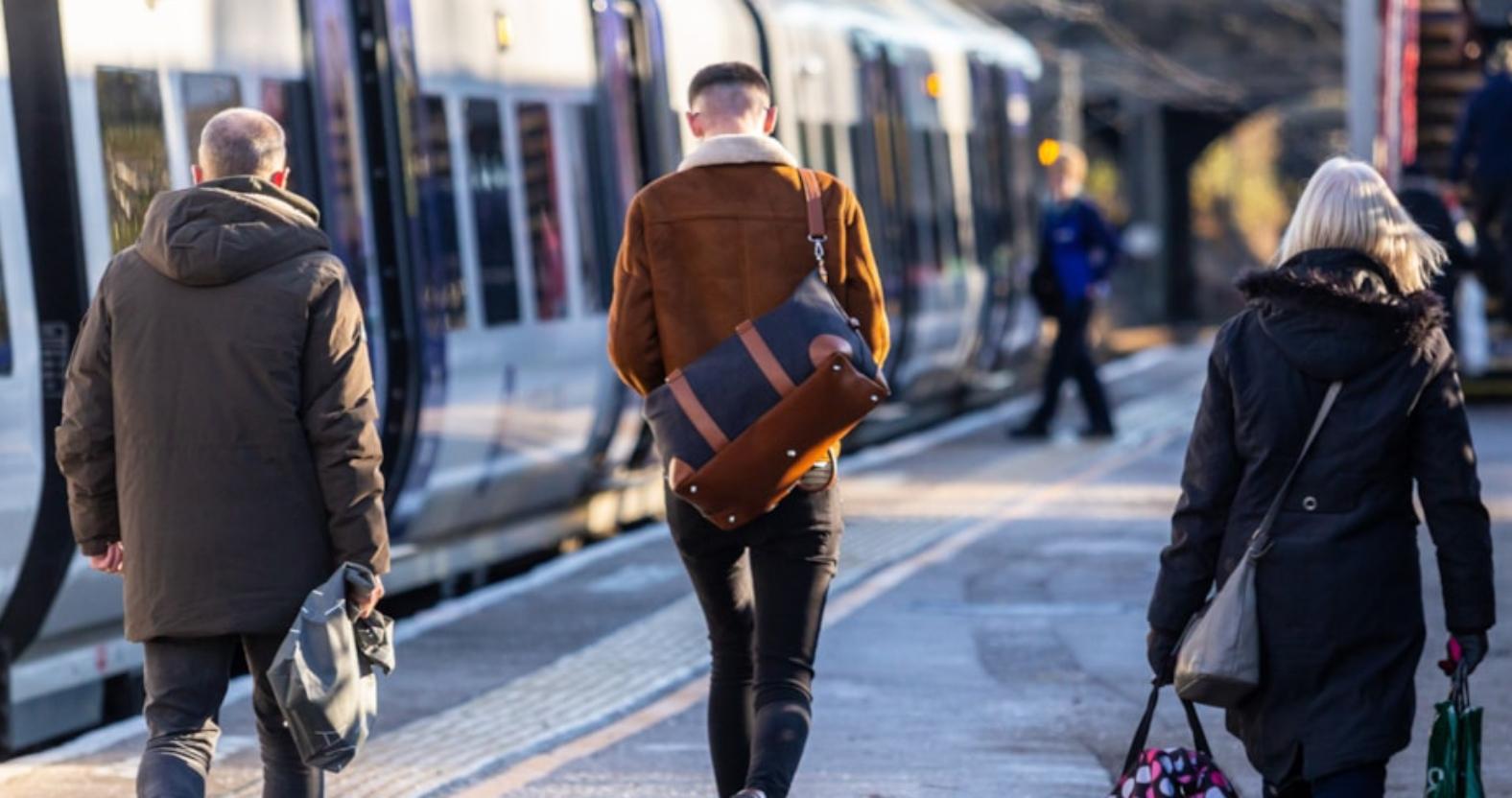
New pay-as-you-go technology being trialled on the Harrogate to Leeds rail line has been hailed as “the future of ticketing”.
Passengers have been using digital pay-as-you go technology on the Harrogate to Leeds and Sheffield to Doncaster routes since September 2025 as part of a trial run by the Department for Transport and train operator Northern.
Instead of booking a ticket for each journey, passengers download an app which generates a barcode they can use to get through the ticket barriers and show during ticket inspections.
The app tracks journeys using GPS and then automatically charges them the best fare on the day.
It can also help save people money as there are daily and weekly caps on the cost of travel.
Northern said today (July 13) 3,200 people using the new technology had made more than 30,000 journeys on the routes since the trial was launched.
It added passengers have hit the daily cap of £12.80 on the Harrogate to Leeds line more than 150 times.
Alex Hornby, Northern’s commercial and customer director, said:
This represents the future of ticketing here in the north.
We’ve been receiving a lot of promising feedback so far, with high app review scores and many saying it makes travelling by train easier and more straight forward.
It comes as the government is reforming ticketing to improve passenger journeys ahead of the creation of Great British Railways.
West Yorkshire mayor Tracy Brabin hailed the technology as “an exciting move to bring train tickets into the 21st century”.
Rail minister Lord Peter Hendy said:
“Great British Railways will make rail travel simpler by reforming fares and modernising ticketing. This trial is an important step towards achieving this goal."
The technology was tested in Switzerland, Denmark and Scotland before it was introduced in England last year.
Northern is the second largest train operator in the UK, with 2,650 services a day to more than 500 stations across the North of England.

0