Thank you for your interest in this story
To continue reading this article, subscribe to the Stray Ferret for as little as £1 a week
Already a subscriber? Log in here.
12
Jul
Six-day resident doctors walkout at Harrogate hospital – cost revealed
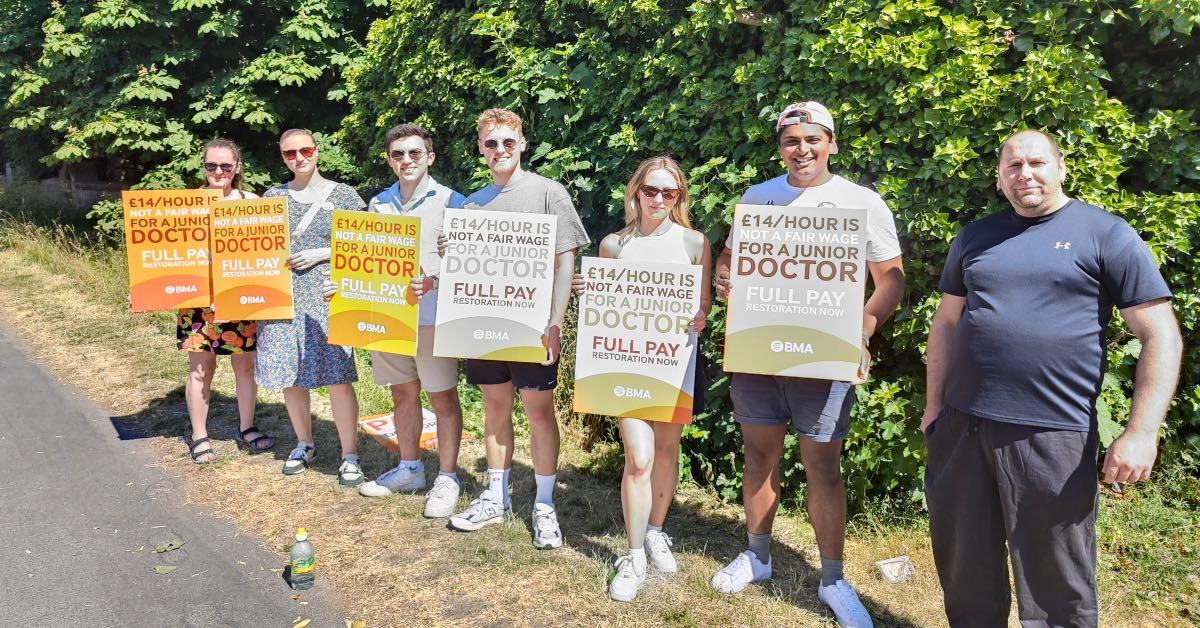
A six-day walkout by resident doctors at Harrogate District Hospital earlier this year cost the trust £307,000, it has emerged.
The strike, which was organised by the British Medical Association, saw doctors carry out industrial action for the 15th time since 2023.
The walkout was held between April 7 to April 13 in a long-running dispute with the government over pay.
At the time, Harrogate and District NHS Foundation Trust, which runs Harrogate hospital, warned that appointments could be cancelled and rescheduled.
Now, the trust has confirmed that the walkout by resident doctors – formerly known as junior doctors – cost a total of £307,000.
By comparison, the December 2025 walkout cost £231,000 and the November 2025 strike saw the trust pay £260,000.
The cost for the April industrial action included arrangements for staffing cover at the hospital.
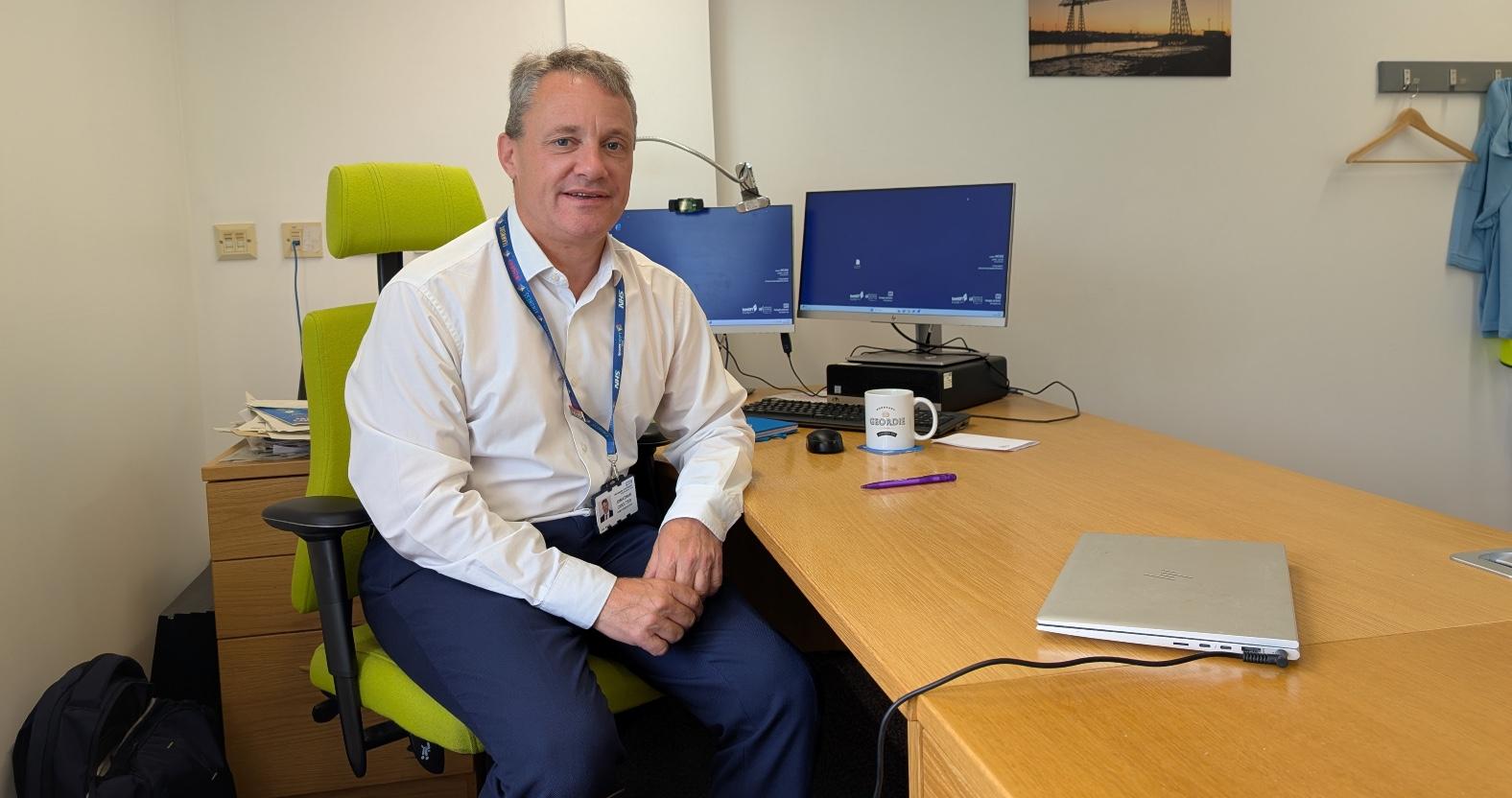
Jonathan Coulter, chief executive of Harrogate and District Foundation Trust.
It comes as further strike action was called off at the end of June after the BMA reached an agreement with the government over pay.
Speaking to the Stray Ferret after the deal was reached, Jonathan Coulter, chief executive of HDFT, said it was a relief that the two had agreed a deal.
He said:
It’s positive. We have always taken the view that they have absolutely got the right to take industrial action if they have got a dispute. That dispute is not with us, it is with government. We have been in the middle of a national dispute.
But it is good, because it is disruptive. We have to organise what other clinicians do to cover the shifts that they have. We have minimised the patient impact in terms of cancelled appointments, but even if you cancel a dozen outpatients it is still frustrating for those people.
There has been an impact on patients, not a huge impact because we have managed it well. But we have had to spend money because we have had to have other people coming in to cover shifts for other consultants covering what resident doctors would have done.
Resident doctors will receive an average pay increase of 4.9%, backdated to April 1, 2026, under the wider package, according to government.
The offer includes a 3.5% pay rise this year, as recommended by an independent review body.
It also includes more training jobs, faster pay progression and a plan to cover out-of-pocket expenses such as exam fees.

1