Thank you for your interest in this story
To continue reading this article, subscribe to the Stray Ferret for as little as £1 a week
Already a subscriber? Log in here.
05
Jul
The Bishop Monkton cricket scout who discovered a football prodigy
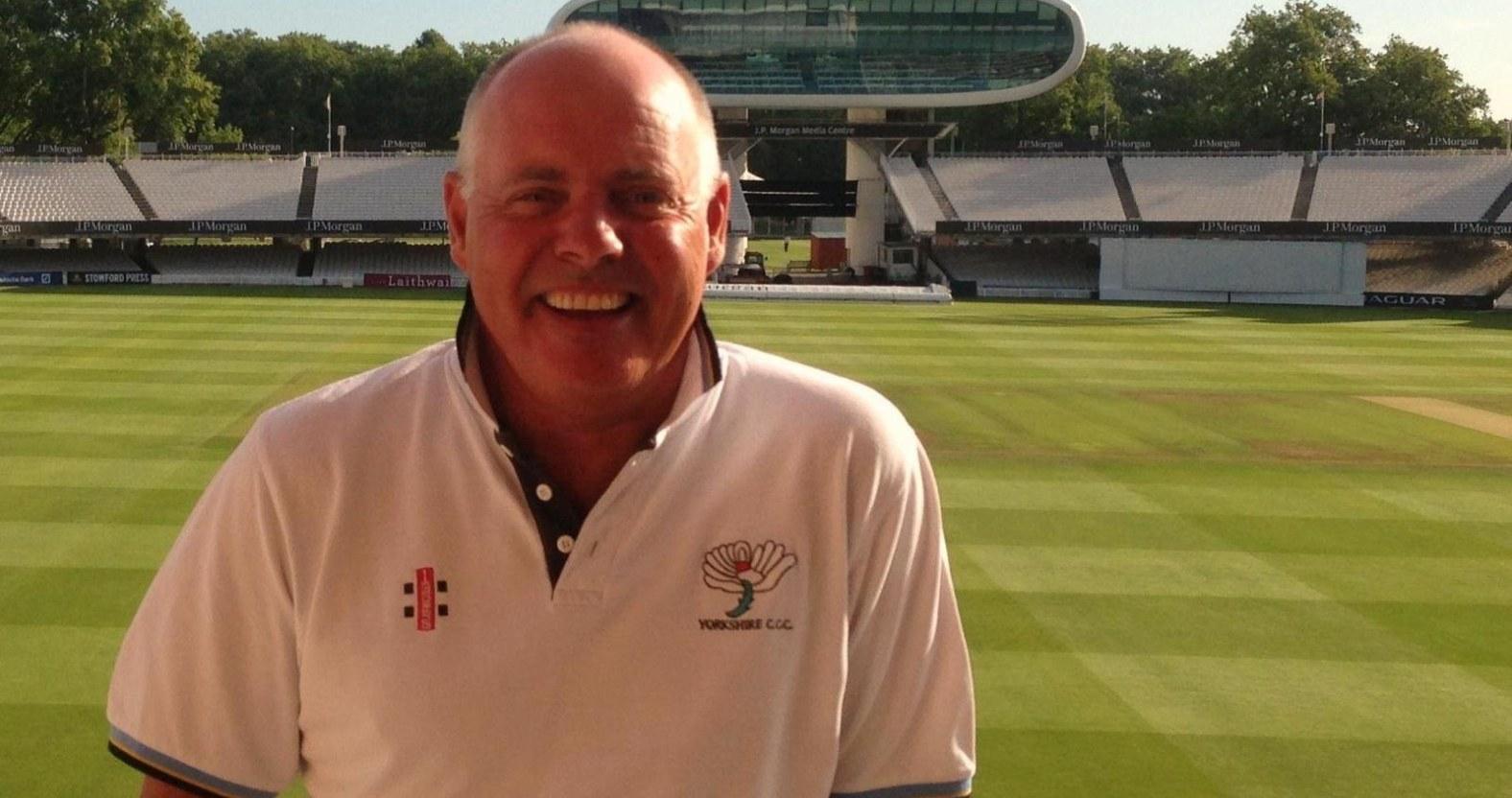
This article is one of a series by subscriber and local contributor Paul Wade.
As a scout for the England and Wales Cricket Board, Andy Rowsell has unearthed some gems in his time, and the best young cricketer he has ever seen actually went on to play for England – but at football.
Andy, who lives in Bishop Monkton, told the Stray Ferret:
It was Phil Neville, who starred for Manchester United and was eventually capped 59 times for his country. He played cricket for England Schools U15s at 14 and was a highly accomplished left-handed batter. Had he chosen cricket as a career, he would undoubtedly have gone in to open the batting for England.
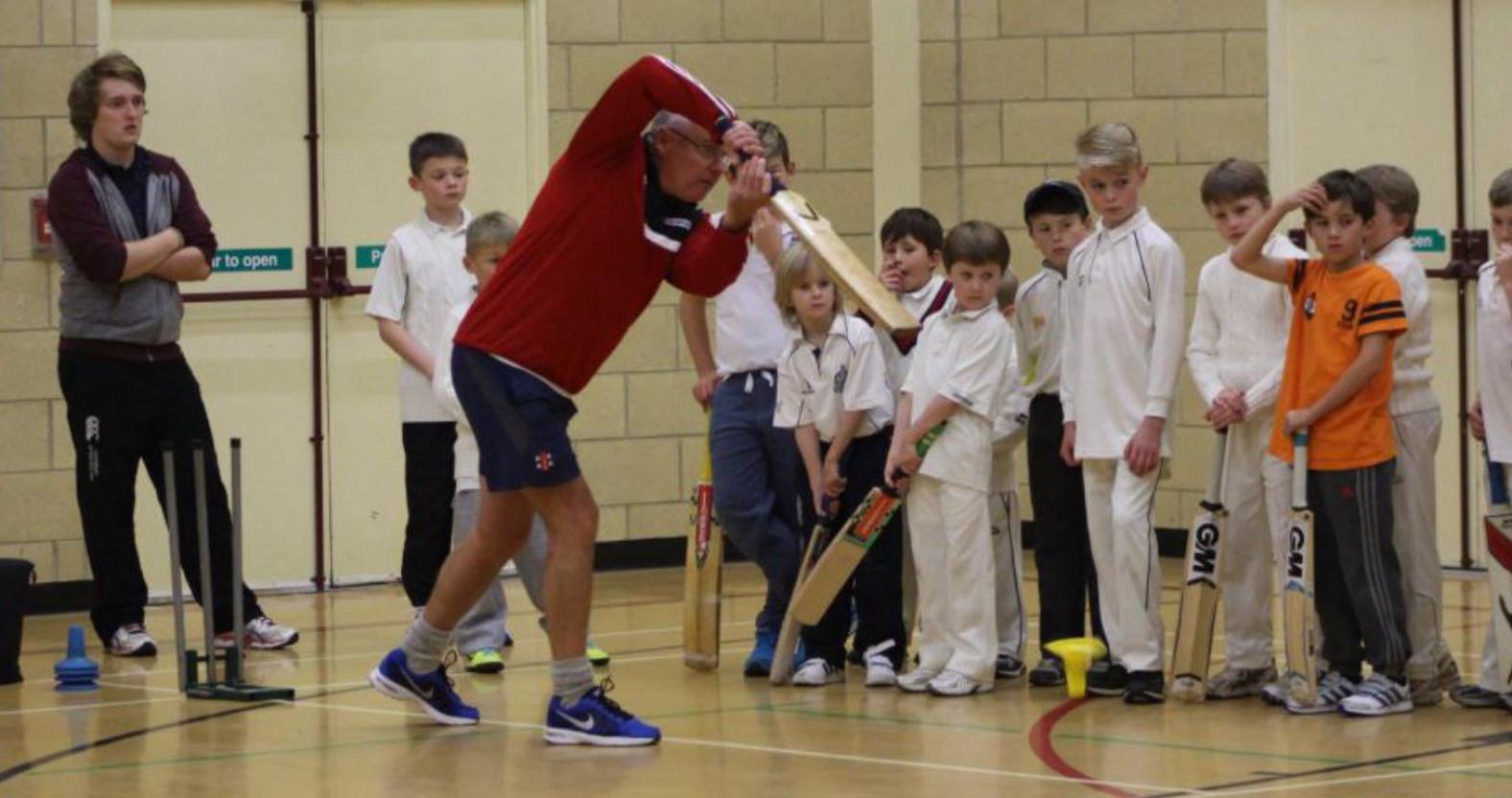
Andy taking a coaching session with young cricketers.
As a former Yorkshire U15s coach, Andy has spent over 40 years associated with elite cricket, and as one of those responsible for uncovering the next generation of household names, he has witnessed the development of many future legends of the game.
Flicking through his mental Who's Who on cricket, he said that former England captains Michael Vaughan, Andrew ‘Freddy’ Flintoff and Joe Root are "obvious standouts".
He is also clear about what is required to propel young players to the top. He said:
We see many fine young players, but the difference between them is usually their mental strength.
How do they deal with pressure? Can they adapt to different situations? Do they have the right temperament? How do they read game situations and work out plans?
Great players are able to transfer the pressure from themselves onto the opposition and in doing so take control of the game. Joe Root is a master of this, often in ways too subtle for the casual observer to even notice.
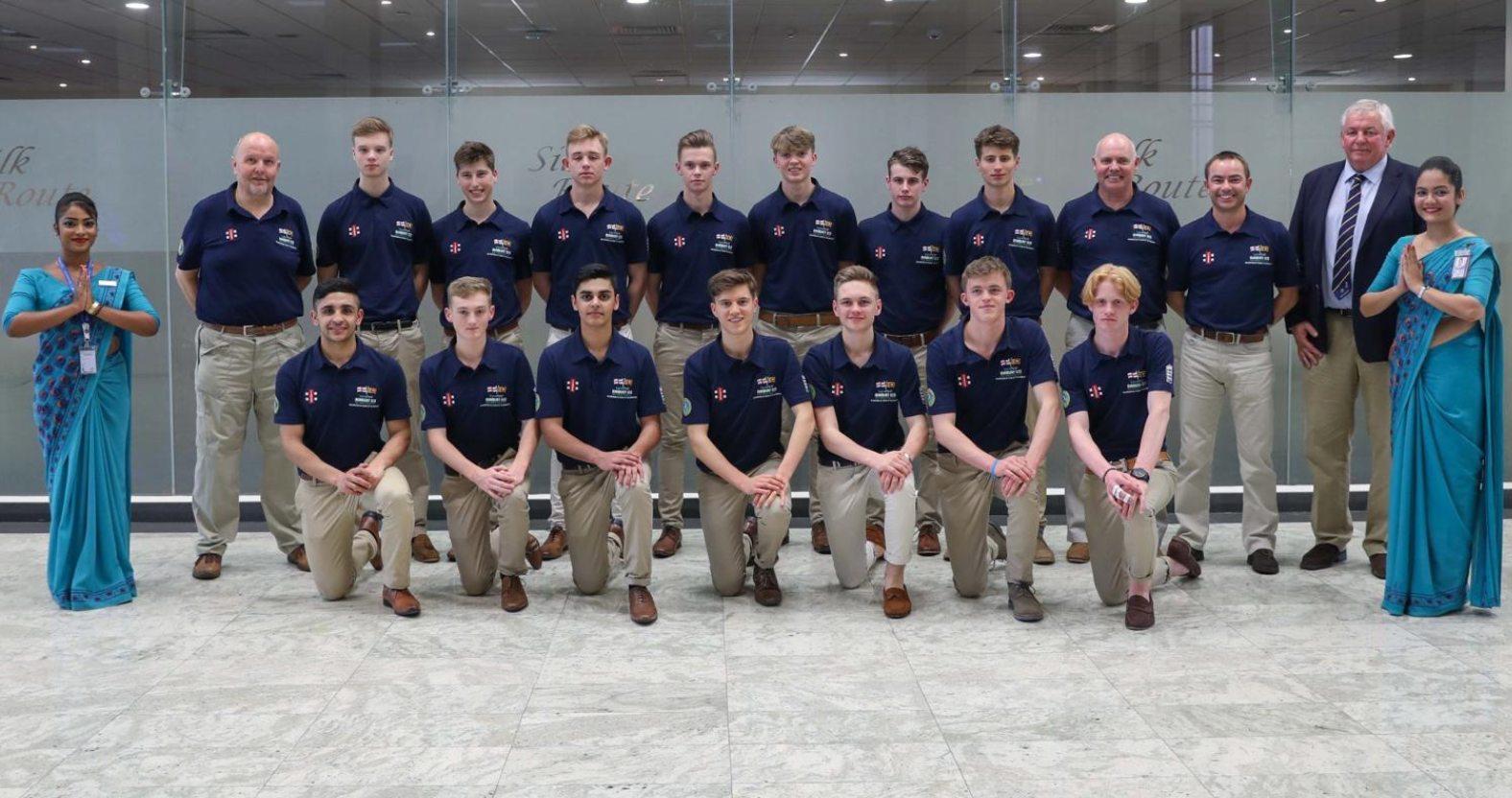
Andy with England's under-17s team in Sri Lanka.
He says that character analysis can even extend to whether or not a young player looks you in the eye when they first shake your hand: "It's a sign of inner strength".
It is no surprise that Andy has built a successful career in and around cricket – he was born just behind the Kirkstall Lane End at Headingley.
He said:
When I was a baby, my father used to walk me around the outside of the ground in my pushchair to get me to sleep!
As a child he was a self-confessed cricket fanatic. He played at a good level, watched his childhood heroes avidly, and devoured every cricketing book and fact he could lay his eyes on.
In 1987, as a qualified PE teacher and head of cricket at Heckmondwike Grammar School in West Yorkshire, Andy began his involvement in county age-group cricket.
Fifteen years later, he left teaching to run the Yorkshire Cricket School and became head coach of emerging players, and from there went to the ECB, scouting elite 15- to 19-year-olds on what cricket calls its ‘pathway’ to the England test team.
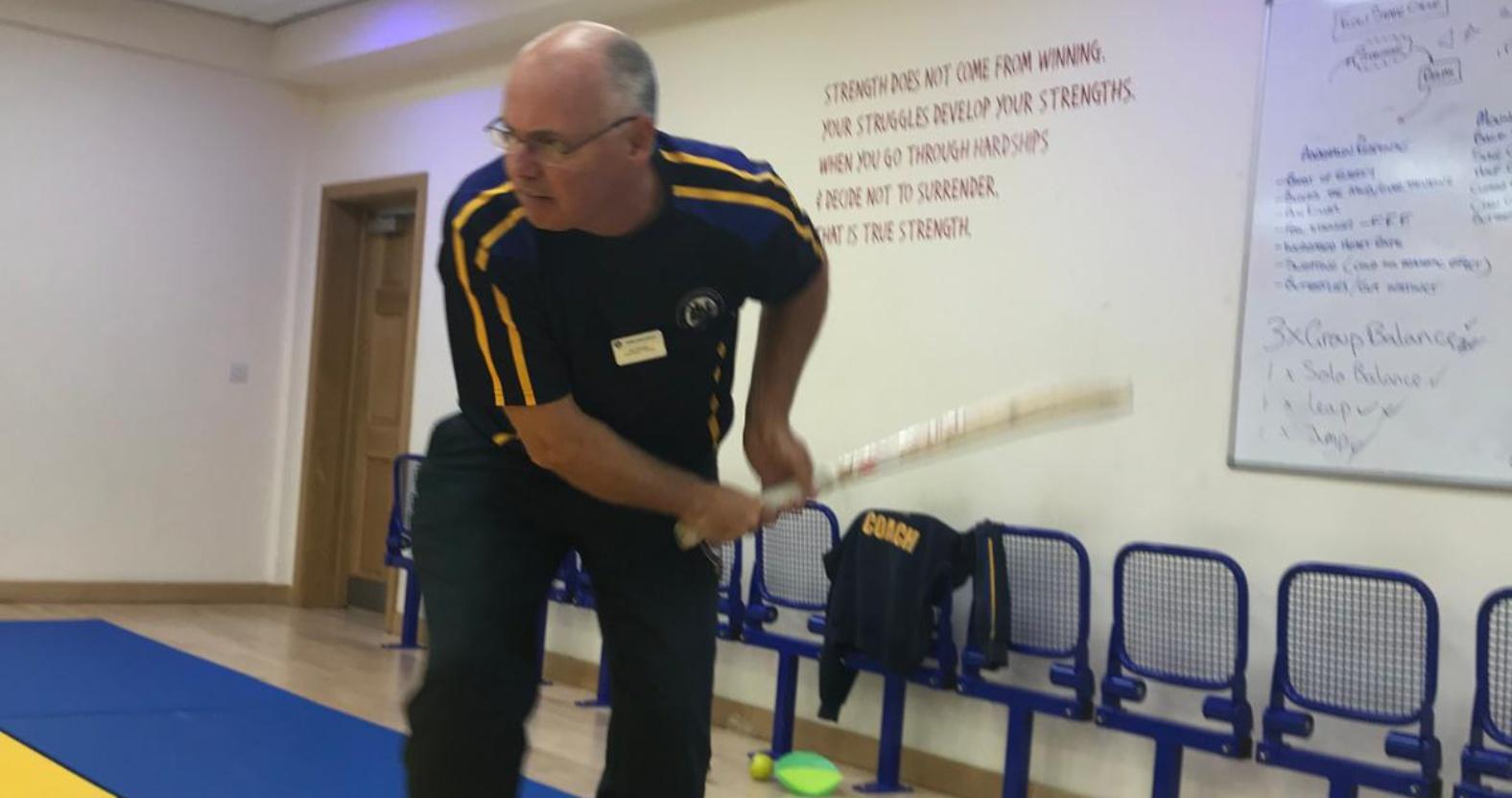
Andy demonstrating batting technique during a coaching session.
What was his most memorable encounter with a young player of the future?
Harry Brook, currently Yorkshire and England superstar, was 10 when his mum brought him to Headingley for some coaching, and it instantly became clear that his hand-eye coordination was incredible.
So I asked his mum if she minded if I video the session. I immediately sent the footage to the Yorkshire County staff. The rest, as they say, is history!
So how sure can he be that a brilliant youngster like Harry Brook or a 15-year-old Phil Neville will turn into a top cricketer?
He said:
You can’t. The teenage years see changes in attitudes, priorities and physicality. But as a coach and mentor, if you make the effort to really understand players as people, not just their technical capabilities, then you play a small part in giving them the best possible chance of getting to the top.

0