Thank you for your interest in this story
To continue reading this article, subscribe to the Stray Ferret for as little as £1 a week
Already a subscriber? Log in here.
09
Sept
Unexpected origin of Devil's Arrows in Boroughbridge finally revealed
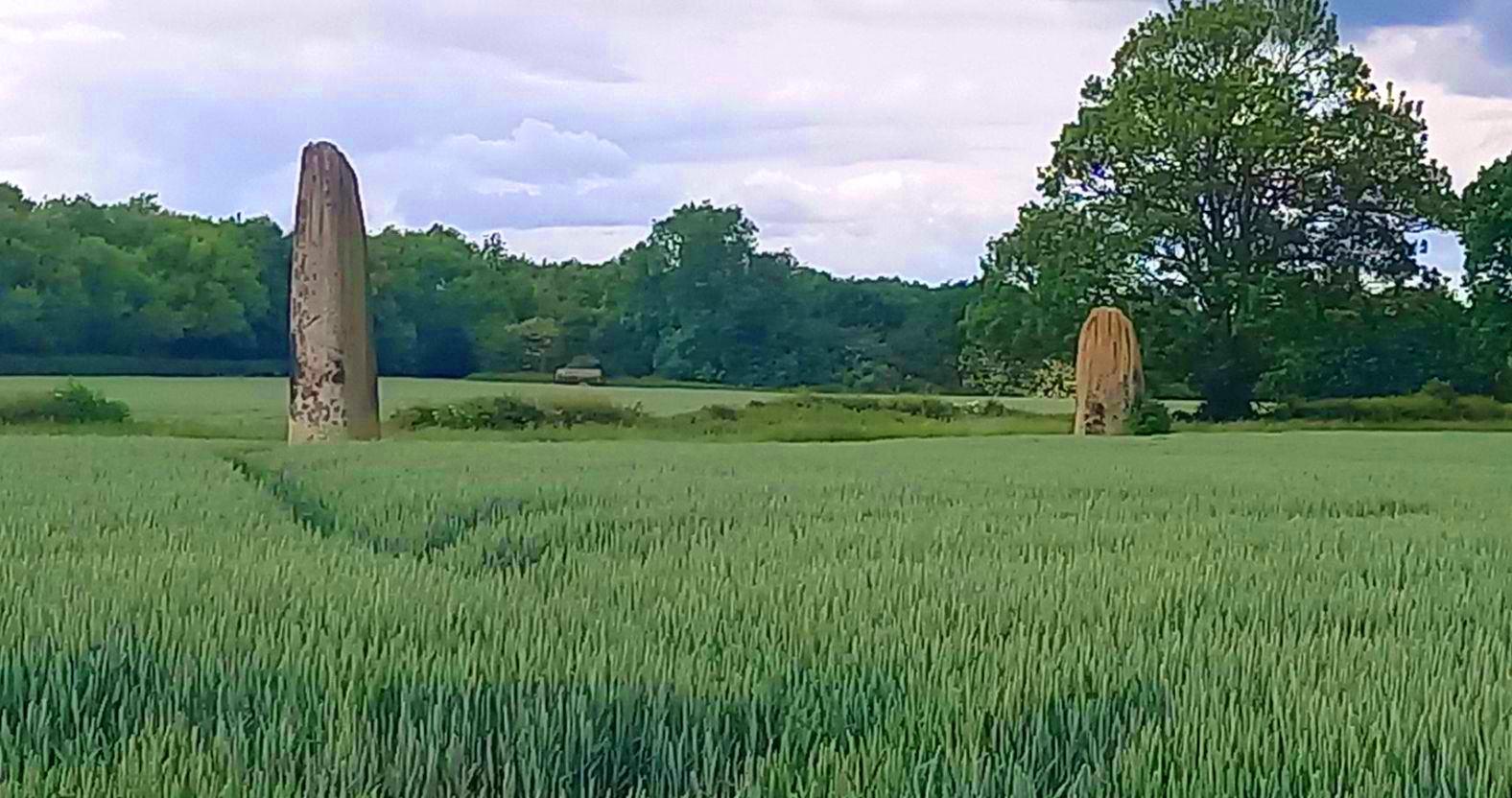
New research has revealed for the first time the true origin of the Devil's Arrows standing stones at Boroughbridge.
Various theories have previously been mooted to explain where the stones came from. Some have thought they were quarried at Plumpton Rocks, nine miles away, and others have suggested ice-age glaciers deposited them near their current site.
But now, researchers at the University of York and Curtin University in Australia have revealed that neolithic builders hauled the 25-tonne stones 11 miles over land – from Brimham Rocks.
Through the use of isotopic "fingerprinting", they have also confirmed that a fourth stone is "hiding in plain sight" in nearby Aldborough.
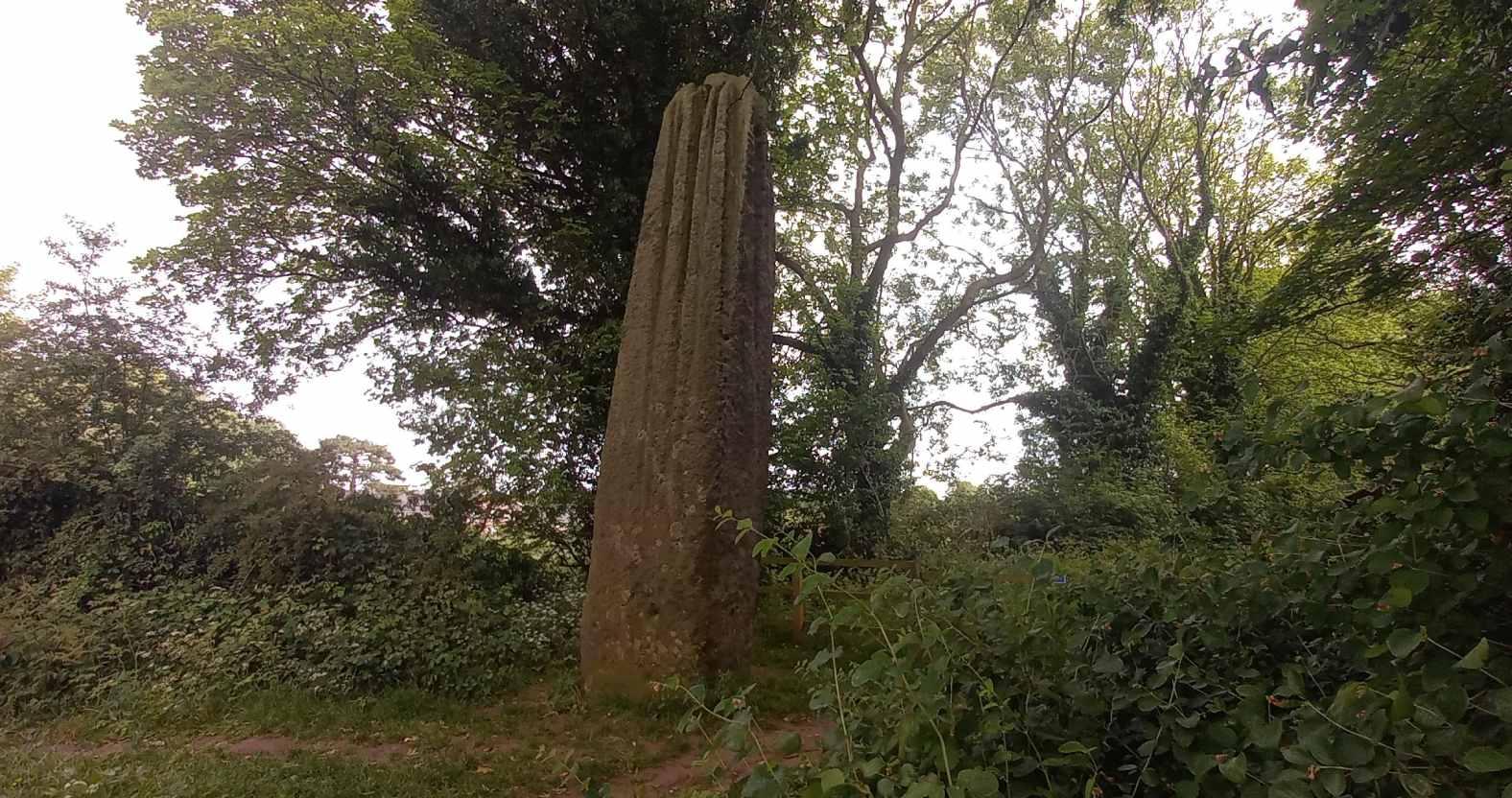
One of the Devil's Arrows.
The neolithic era lasted from about 4000 to 2500BC, and was marked by the shift from hunter-gathering to settled farming – and monumental architecture.
Dr Jim Leary, from the University of York’s Department of Archaeology, said:
Megalithic architecture is among the most visually striking features of the neolithic landscape across Britain and Ireland, from vast ceremonial complexes like Avebury and Stonehenge, to individual standing stones.
Sites in southern England and Scotland receive considerable attention, but monuments like the Devil's Arrows have remained comparatively understudied despite their significance.
We have now proved that neolithic communities moved several 25-tonne stones 18km across Yorkshire, transforming a familiar site into an epic quest to create a sacred landscape.
At almost seven metres (23ft) tall, the three surviving Devil's Arrows form the tallest standing stone row in Britain, and are taller than the stones at Stonehenge. The southern stone is the second-tallest megalith in the country after the Rudston Monolith, while the central stone ranks as the third-tallest.
The stones are aligned south-east to north-west, almost exactly in line with the Thornborough Henges, which also date from the late neolithic or early bronze age and lie nearly 10 miles to the north-west.
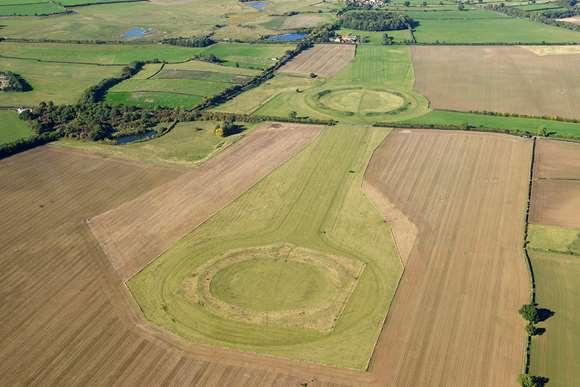
Photo: English Heritage.
Missing stone
Tudor antiquarian John Leland recorded a fourth standing stone in the mid-16th century, but decades later it was said to be missing. In 1687, it was recorded that locals had broken up a fallen stone, using part of it to construct Peg Bridge over the River Tutt and taking the top segment to Aldborough manor.
In the 19th century, antiquarian JR Walbran proposed that another fallen monolith had been recycled into the Battle Cross – a 5.5-metre monument carved in the 15th century to commemorate the 1322 Battle of Boroughbridge.
The new study's mineral fingerprinting has now confirmed Walbran's theory, proving the medieval cross that remains standing in Aldborough today is indeed a carved segment of a long-lost Arrow.
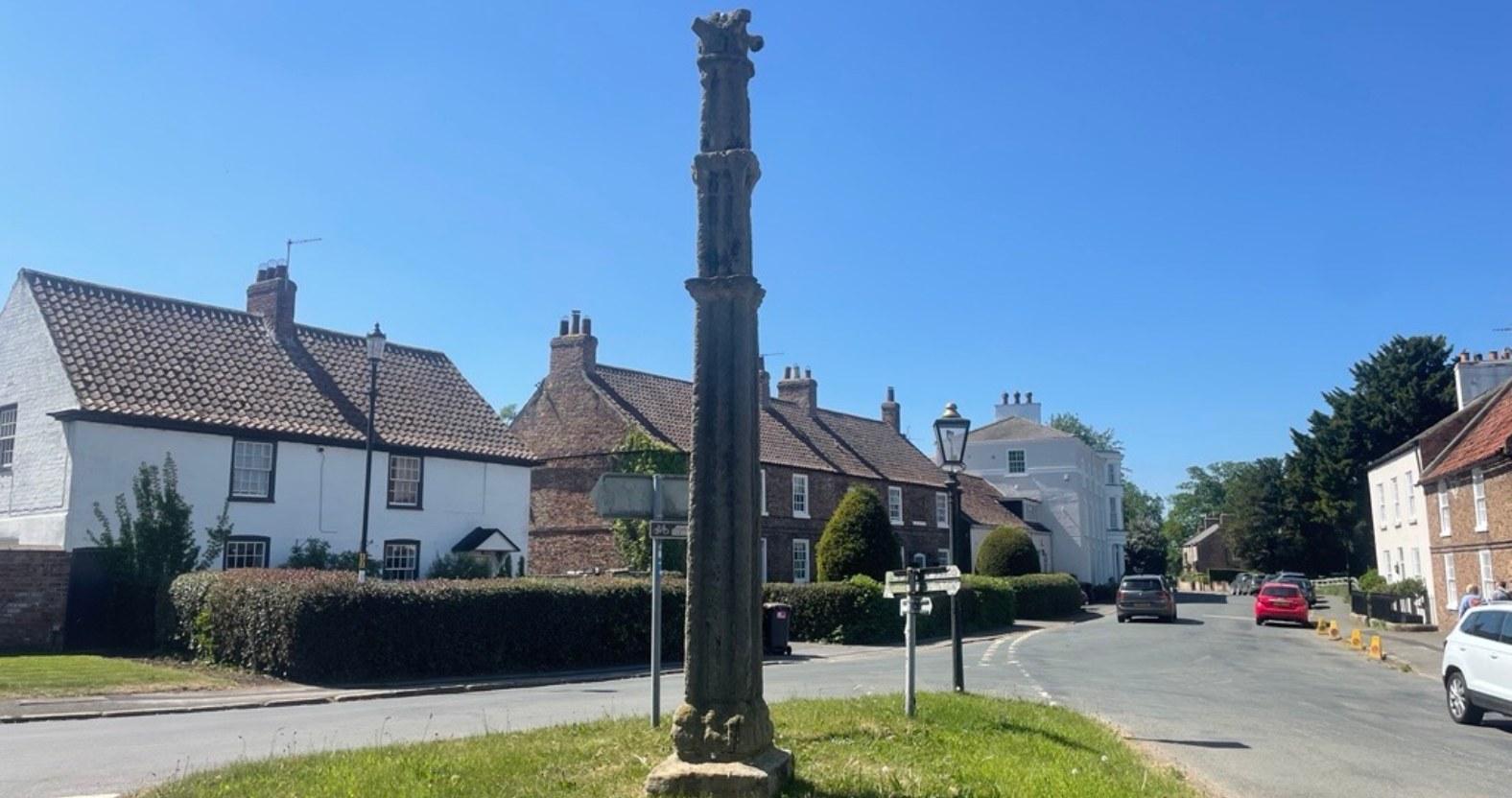
The Battle Cross in Aldborough, which commemorates the Battle of Boroughbridge in 1322.
Isotopic testing
The Devil's Arrows stand on Triassic Sherwood Sandstone, but the monoliths themselves are made of Pennine Basin Millstone Grit – a coarse-grained sandstone deposited during the Namurian period over 300 million years ago.
Dr Anthony Clarke, geochemist at Curtin University in Western Australia, said:
While the nearest gritstone outcrops sit just 5km west of Boroughbridge, and long-suspected alternative sources like Plumpton Rocks sit 13km away, we used high-resolution isotopic testing of microscopic zircon and apatite minerals to trace their exact geological birthplace.
By mapping the unique mineral age profiles locked inside the stone, we proved the megaliths were quarried 18km away at Brimham Rocks, ruling out the idea that they were local glacial rocks left behind by ice sheets.
Southern gateway
Positioned on the western outskirts of Boroughbridge, the three unevenly spaced monoliths stretch across 174 metres. Standing on gently sloping ground aligned towards a possible prehistoric ford on the River Ure, historical accounts show the site once held at least five stones, and possibly seven or more.
Extensive prehistoric remains west of the stones show they formed the southern gateway to a vast sacred region between the Rivers Swale and Ure, home to seven late-neolithic henges, and the densest cluster in Britain.
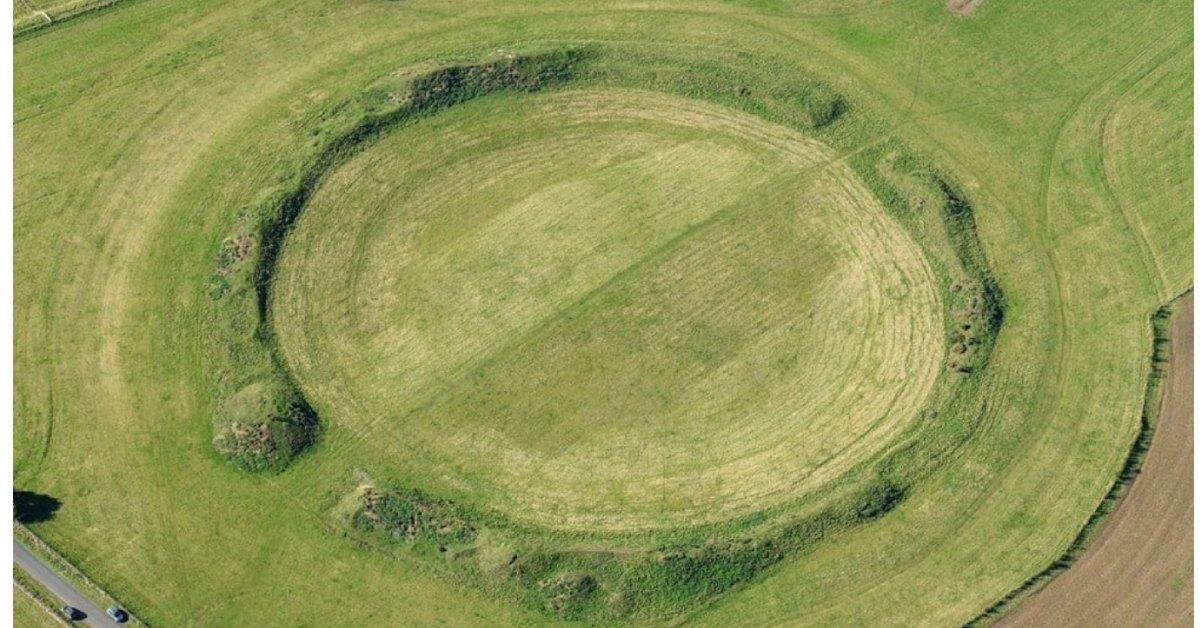
One of the still very visible Thornborough henges.
Justin Scully, general manager for Fountains Abbey & Studley Royal and Brimham Rocks, said:
The Devil’s Arrows have inspired stories and sparked curiosity for generations. Local legend tells of the Devil standing on How Hill and hurling giant stone arrows towards Boroughbridge, only for them to fall short and land where they stand today. While the folklore remains a much-loved part of their story, it’s wonderful to discover that the real journey of these stones is every bit as extraordinary.
This fascinating research reveals a direct link between Brimham Rocks and the Devil’s Arrows, connecting two remarkable Yorkshire landscapes in our care.
We’re incredibly grateful to the researchers for helping us uncover this new chapter in the stones’ story and deepen our understanding of the people who shaped this landscape thousands of years ago.
Rich heritage
Jess Tipper, Historic England's North region inspector of ancient monuments, said:
The Devil's Arrows are a much-loved part of Boroughbridge's rich heritage and we're delighted these scientific discoveries add to the understanding of their history.
And we look forward to finding out more about them and how we can protect them for everyone to enjoy.
The research is published in the journal Proceedings of the Royal Society A.

1