Subscribe to trusted local news
In a time of both misinformation and too much information, quality journalism is more crucial than ever. By subscribing, you can help us get the story right.
- Subscription costs less than £1 a week with an annual plan.
Already a subscriber? Log in here.
14
Dec
What's sightseeing like – when you can't see the sights?
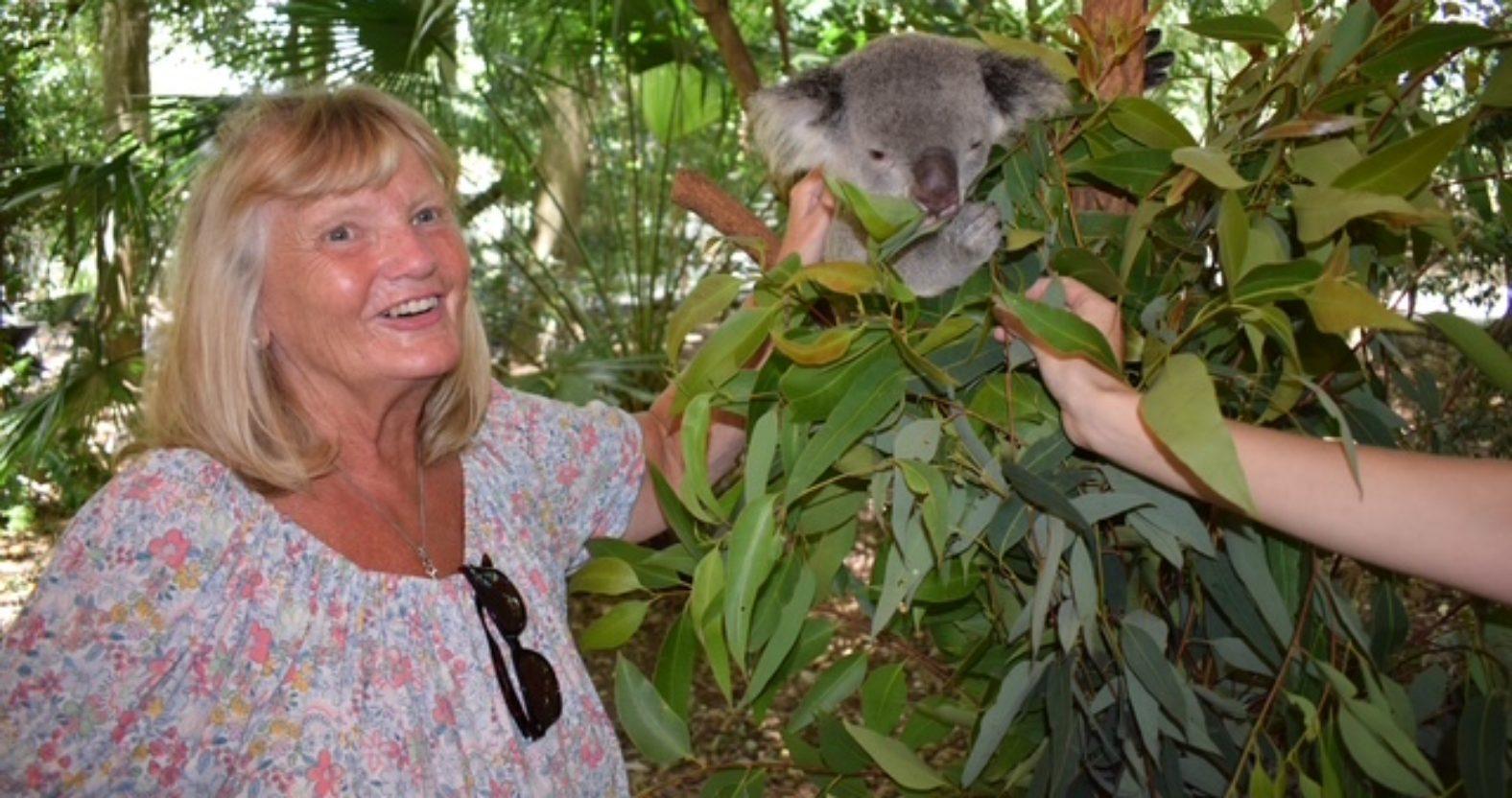
This article is one of a series by contributor Paul Wade.
Wendy Teggin, 70 and a Knaresborough resident for 48 years, is not your average wife, mum and grandmother. Her life motto is ‘just do it’, and she is already a trained and regular scuba diver and therefore used to being out of her comfort zone.
However, it is difficult to think of anything that might have prepared her for her latest adventure: a four-month round the world trip as a solo traveller.
Even more remarkably, Wendy is almost completely blind.
She told the Stray Ferret:
Having angioid streaks is a hereditary condition which requires both parents to pass on the same gene. It struck 20 years ago, initially affecting one eye, leaving extremely limited peripheral vision. Then almost six years later, it happened to the other one, with similar inevitable results.
Asked about her motivation to go, the answer is also simple:
Why would you sit at home doing nothing?
Her ship left Southampton and travelled west around the globe. She experienced electrical storms, saw South Sea Islands, some of which had been devastated by a cyclone just before the ship arrived, and crossed the International Date Line, which divides the Pacific Ocean. She said:
I went to bed on the 8th and woke up on the 10th!
That experience was shared by her fellow travellers, sighted or not. But Wendy's lack of vision made some things very different. So what's it like to go sightseeing – when you can't see the sights?
She said:
I wanted to experience people from other places. If you can’t see, there are different sounds and smells wherever you go, but you really experience places by talking to people and getting a feel for them.
No matter where we were, there were always people who would help, regardless of whether they were being paid to do so.
The island of Réunion in the South Seas, for example, had just been badly hit by the cyclone, yet the people there were so kind, even though they were simply trying to put the basics of their own lives back together. They asked for nothing from anyone. I honestly felt like getting stuck in and helping them.
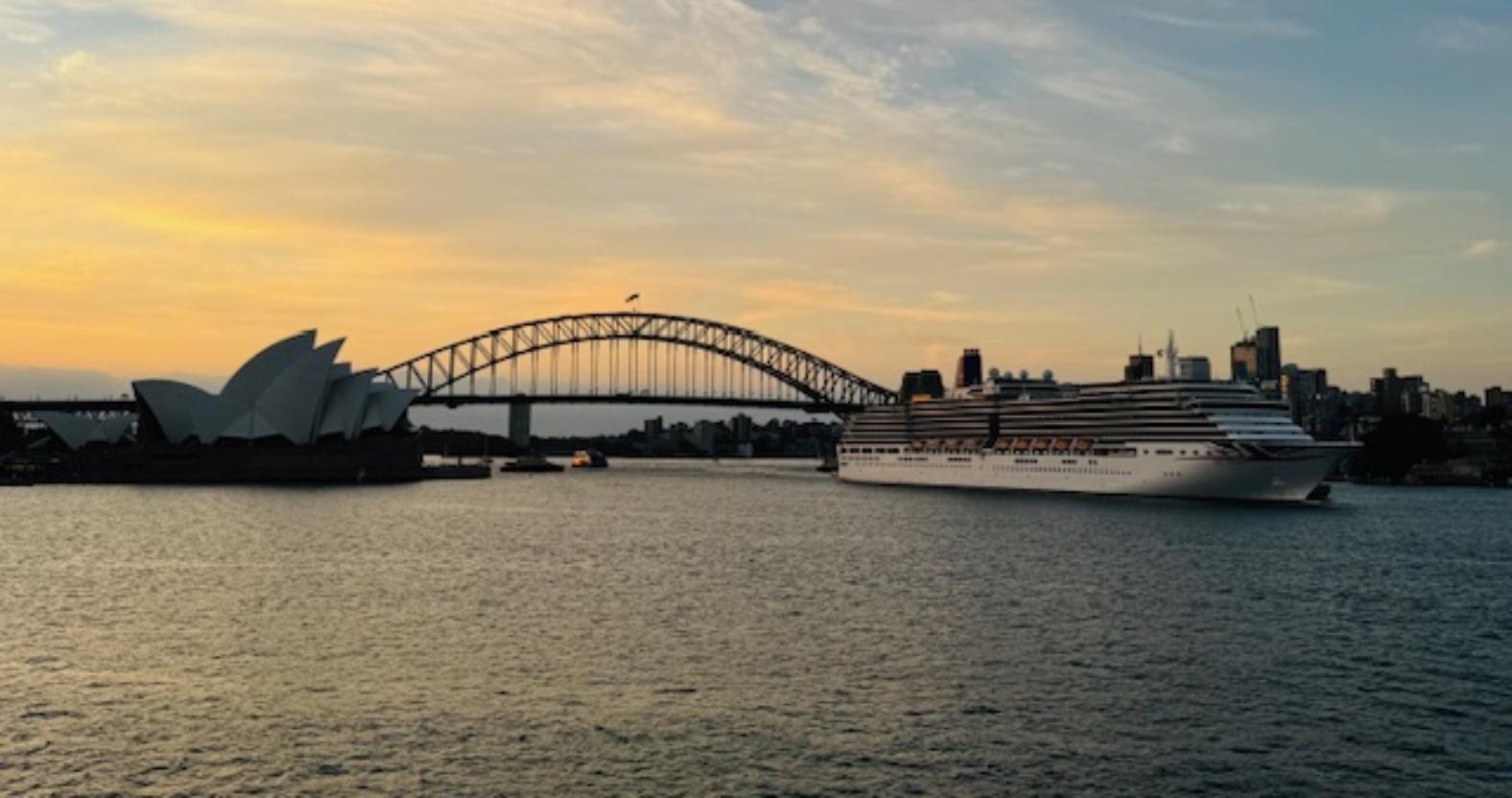
Sydney Harbour.
But it wasn’t all plain sailing. A "two-hour" bus tour around Lisbon, for example, took far longer than expected and Wendy feared she might still be on it when her ship left port. She said:
After 3½ hours we were still going, and when I made my way forward to the driver to find out if there was a problem, he told me he was lost!
I asked if he could take us to the nearest taxi rank, which he did, where I made sure the 20 or so of the people on the bus who were travelling on the same ship got into taxis and made it back before we were all left behind!
In Tonga she was picked up by the wrong tour guide after a self-organised shore excursion and was put on transport going in completely the wrong direction. Sensing that something wasn’t quite right, she raised the alarm, and although the situation resolved itself eventually, the guide told her she was surprised at how calm Wendy had remained.
I told her, 'Why worry? Things generally work out in the end'.
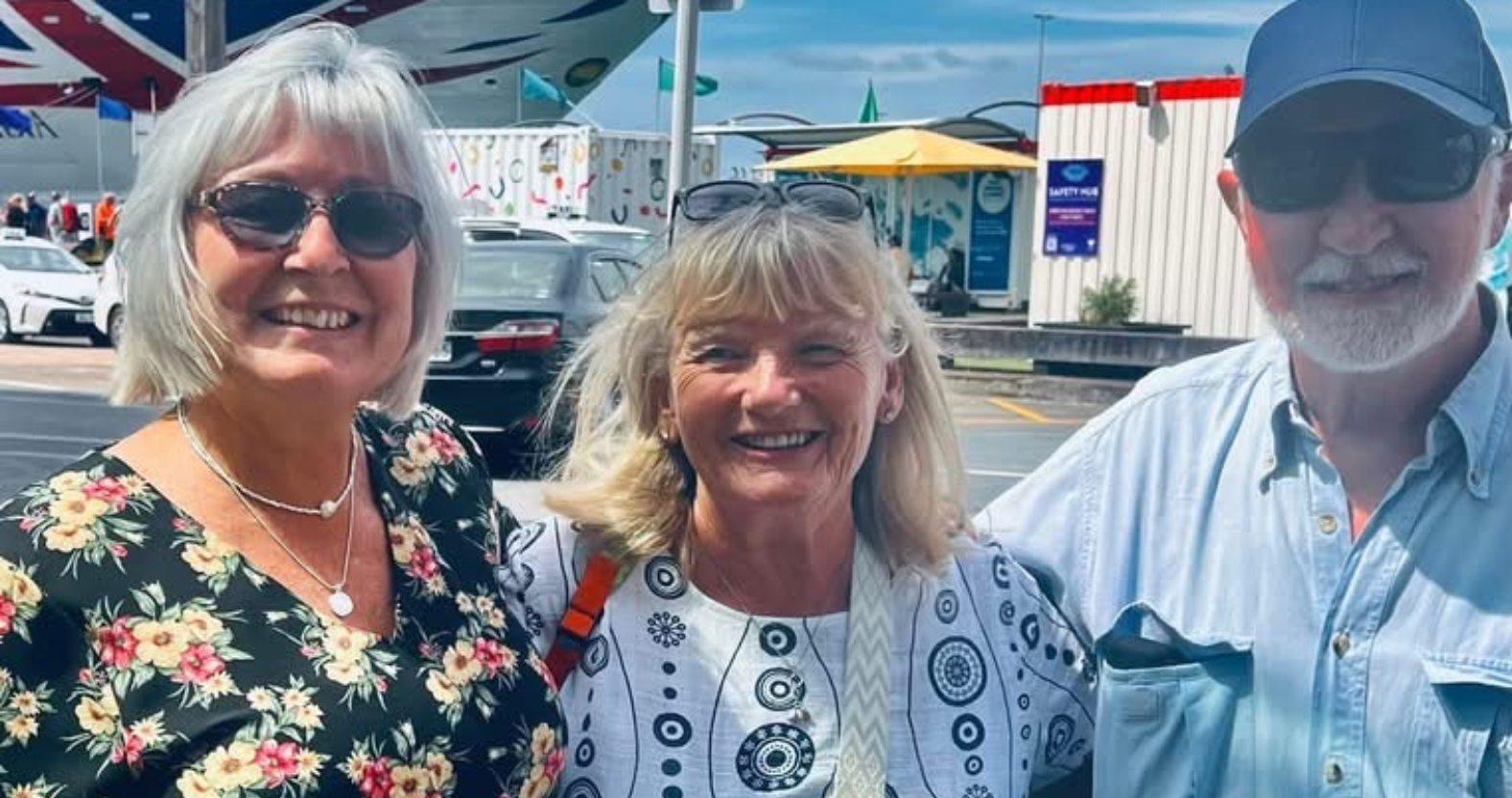
Wendy managed to meet up with old friends in New Zealand.
And so they did – four months after she left, Wendy's ship returned to port in Southampton.
As a blind traveller, her experiences were quite different from those of her shipmates, but her main impressions ended up being dependent on lack of vision. She said:
A wonderful highlight was meeting up with ex-Knaresborian, but now long-term New Zealander, Wendy Hinde in Auckland and then when one of my daughters and granddaughter flew out to Sydney to meet me.
But my main feeling was – and is – humility. The people who gave us most were the ones who had very little themselves.

0