Subscribe to trusted local news
In a time of both misinformation and too much information, quality journalism is more crucial than ever. By subscribing, you can help us get the story right.
- Subscription costs less than £1 a week with an annual plan.
Already a subscriber? Log in here.
27
Dec
No. 9: Looking back at a year of wild weather extremes
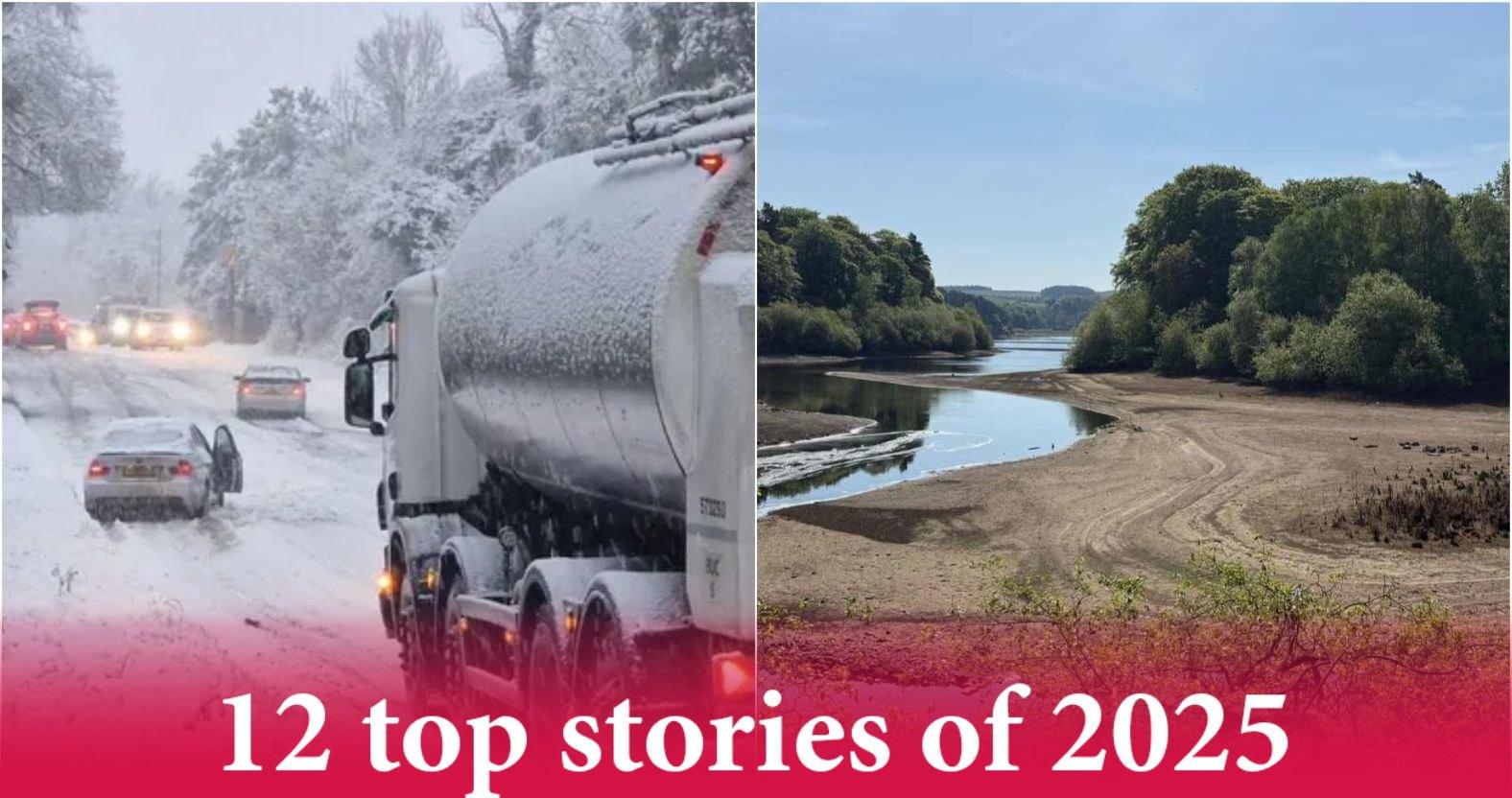
In this article, which is part of a series on the 12 stories in the Harrogate district that shaped 2025, we look back at the meteorological moments that disrupted our daily lives.
This past year has been one of weather extremes, and our district has by turns been both ice-bound and drought-stricken.
The wild weather started before the year had even begun, with the Met Office issuing warnings on December 30, 2024, of four days of strong winds, resulting in new year events being cancelled and venues being closed across the north of the district.
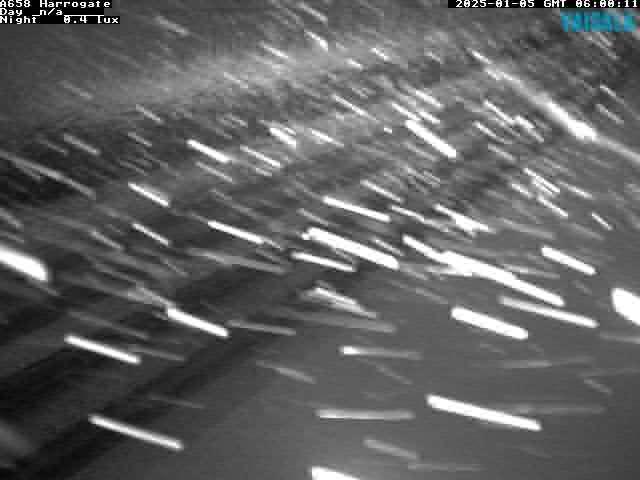
View from North Yorkshire Council's webcam on the Harrogate bypass early on the morning of Sunday, January 5, 2025.
More warnings were issued on Friday, January 3, this time for snow, and it fell through the weekend and then, far more heavily, through the Sunday night and Monday.
The region’s heaviest snowfall in years saw the runways at Leeds Bradford Airport, Manchester Airport and Liverpool John Lennon Airport all closed, as well as schools and many businesses.

Snow ploughs at Leeds Bradford Airport. Photo: Leeds Bradford Airport.
Harrogate District Hospital even put out an appeal to 4x4 owners for help getting staff into work. Dozens of people answered the call, helping snowbound workers get to their jobs.
When the snow finally stopped falling just before midday on the Monday, the Stray Ferret measured an average depth in Harrogate town centre of seven inches (18cm). On Greenhow Hill – the highest point in the district – there were nine inches (23cm).
More snow arrived the following day in some parts of the district, and the depth on Greenhow rose to 16 inches (40cm).
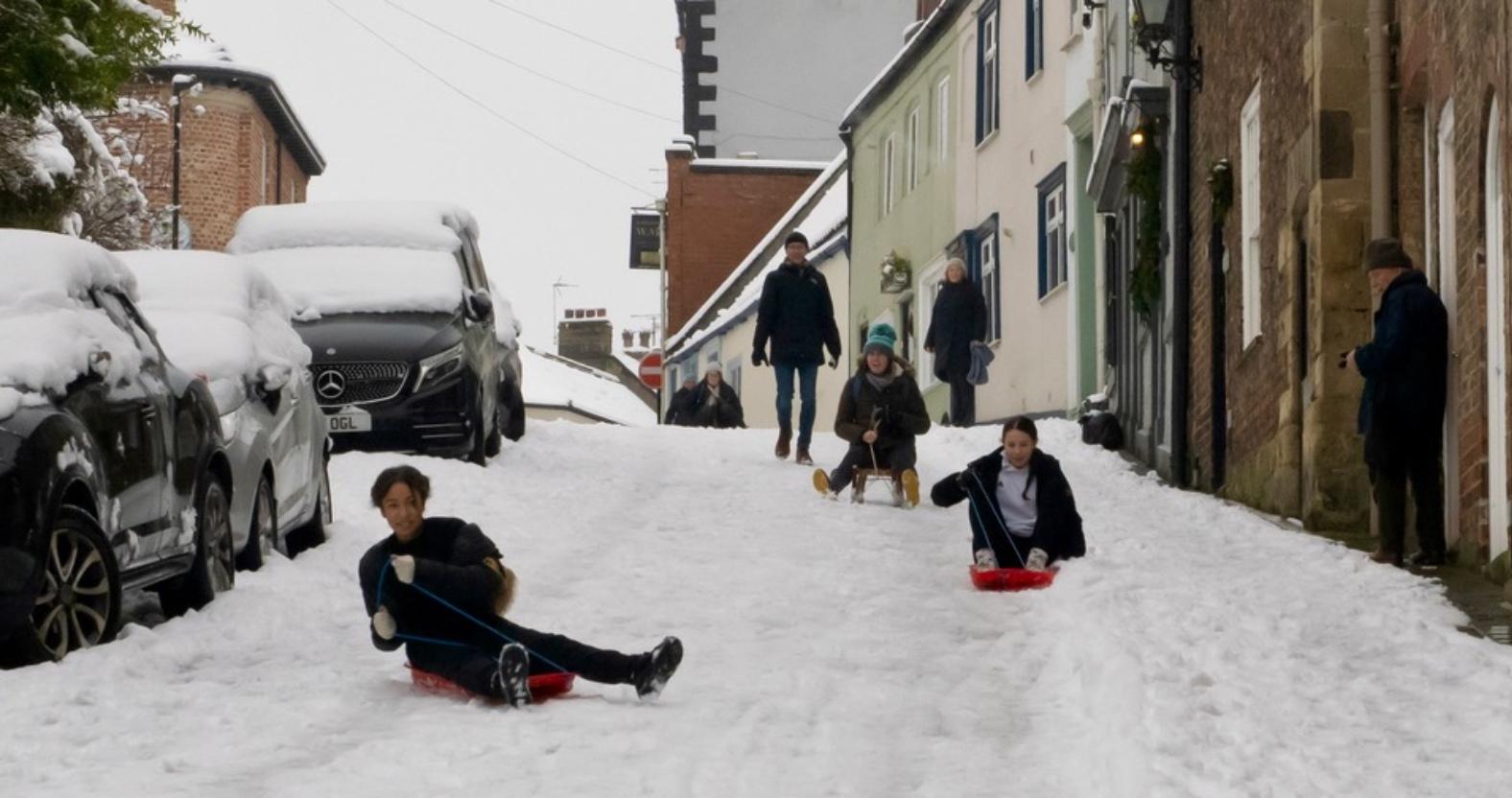
Sledging on Kirkgate in Knaresborough. Pic: Jackie Martin.
Our mild climate means that snow usually melts fairly quickly, but back in January, temperatures remained low, with road surface temperatures dipping to minus 9 degrees C. As a result, the snow stayed, turning to ice and making getting about – on foot or by car – a hazardous undertaking.
North Yorkshire Council’s gritters and snowploughs worked around the clock, but with 6,000 miles of roads to cover, resources were inevitably stretched and many roads – and crucially, footpaths – remained treacherous.
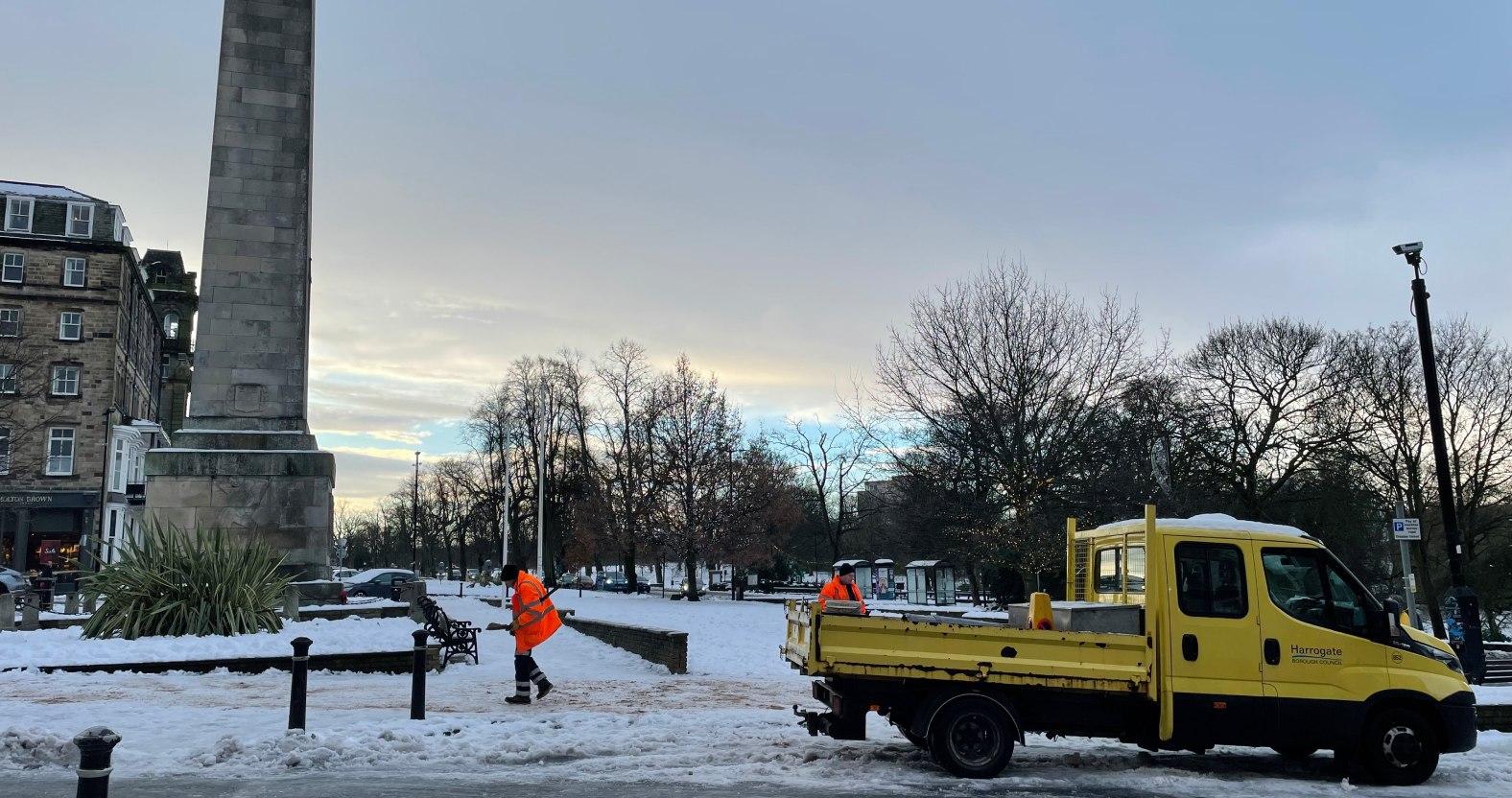
Council workers gritting next to Harrogate's war memorial.
By Friday 10, Harrogate District Hospital had increased capacity in its operating theatres due to a sharp rise in fall-related injuries caused by the ice.
The big thaw did come eventually, and the Environment Agency was soon issuing flood alerts – for the Upper Ure on January 10 and for the Lower Nidd and Lower Ure areas by Wednesday 15.
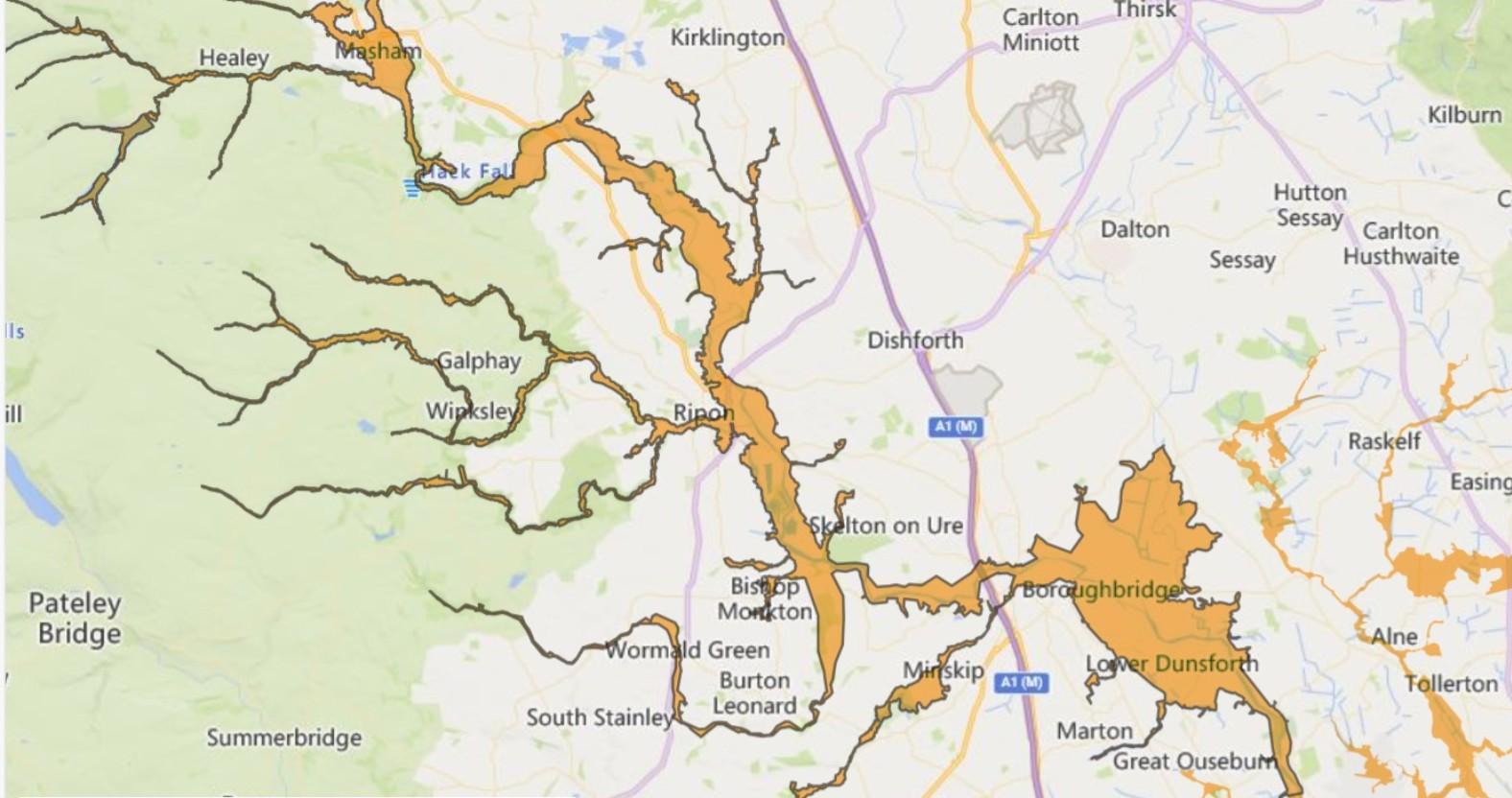
The areas affected by the flood alert for the Lower River Ure.
Once the snow, ice and floodwaters had finally disappeared, and winter had run its course, spring heralded a prolonged period of dry weather that didn’t let up for months.
In fact, every month through the first half of the year saw below-average rainfall in Yorkshire, and the spring was the region’s driest and warmest on record.
This was followed by a record-breaking run of sunny weather through the summer. Yorkshire Water declared a drought on June 12, and imposed water restrictions – commonly known as a hosepipe ban – as early as July 11.
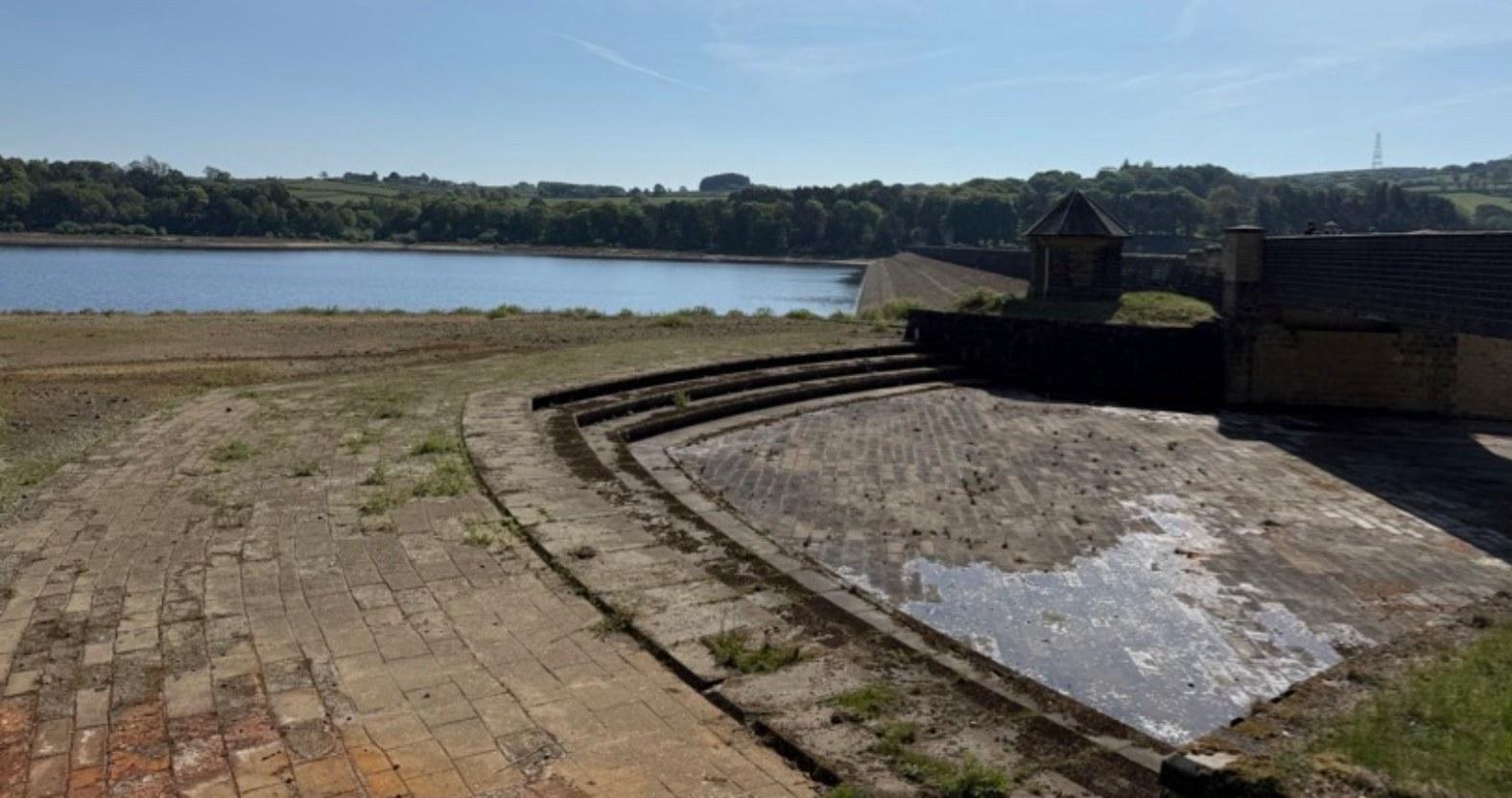
Swinsty Reservoir, July 2025.
Reservoir levels over the summer drop to just 30.6%, and 22 Yorkshire reservoirs dropped below 20%, including Scar House and Thruscross, in Nidderdale.
The weather finally broke in the second half of September, and heavy rain caused the largest weekly increase in reservoir levels in 30 years. That trend continued in fits and starts, and the hosepipe ban was eventually lifted earlier this month – five months after it was first announced.
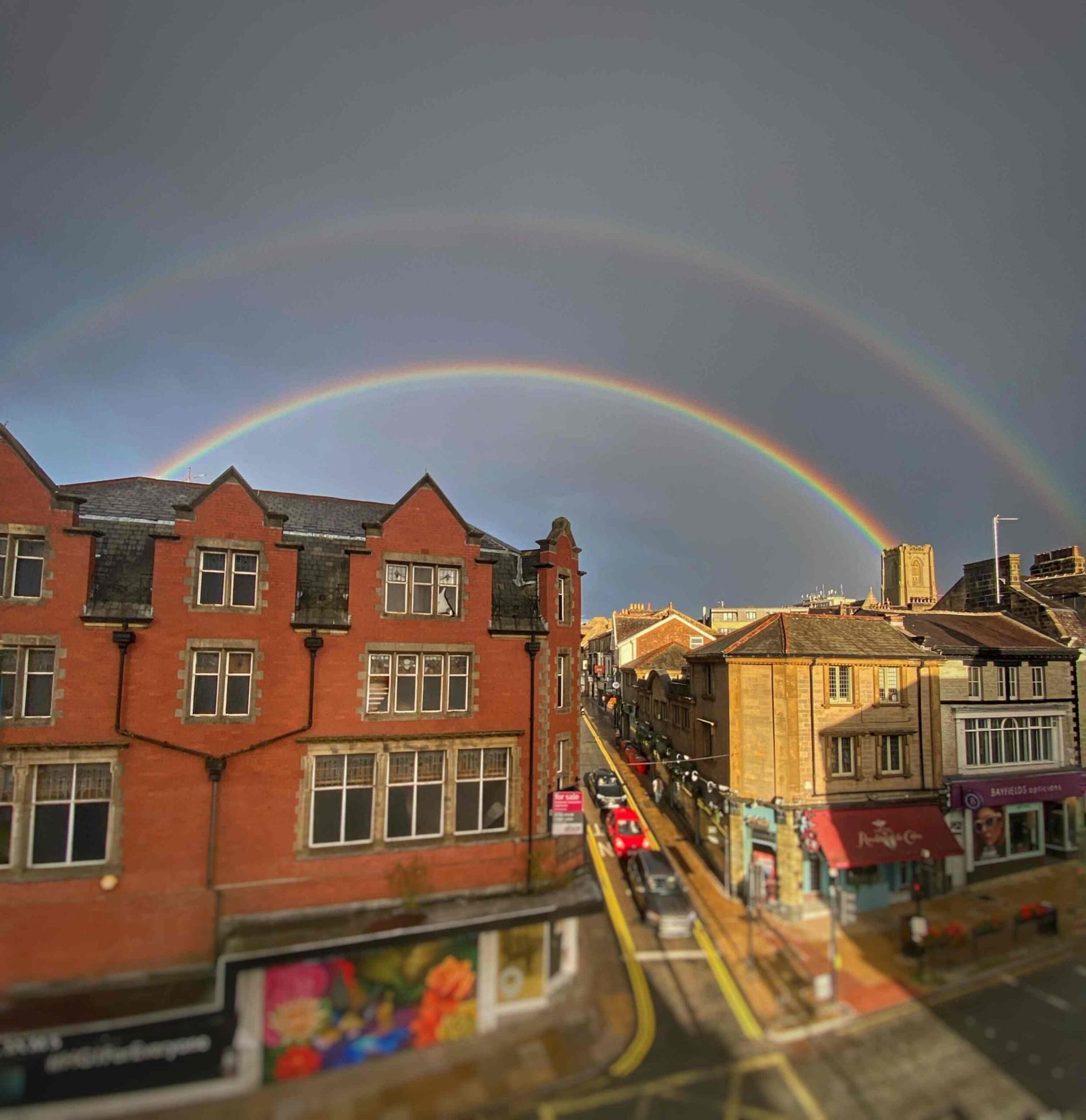
A double rainbow over Harrogate, September 2025. Photo: Ilona Liashenko.
All in all, it’s been a remarkable year for weather watchers, and strongly suggestive of the effects of global warming. But – as they say in investment circles – past results are not indicative of future performance, so there is no guarantee that 2026 will turn out to be as extremeas, or worse than, 2025.
In other words, at the start of any year, if you want to be ready for the weather over the coming 12 months, just expect the unexpected.

0