Thank you for your interest in this story
To continue reading this article, subscribe to the Stray Ferret for as little as £1 a week
Already a subscriber? Log in here.
28
Aug
Harrogate's historic innovators: The man who helped reveal the power of adrenaline
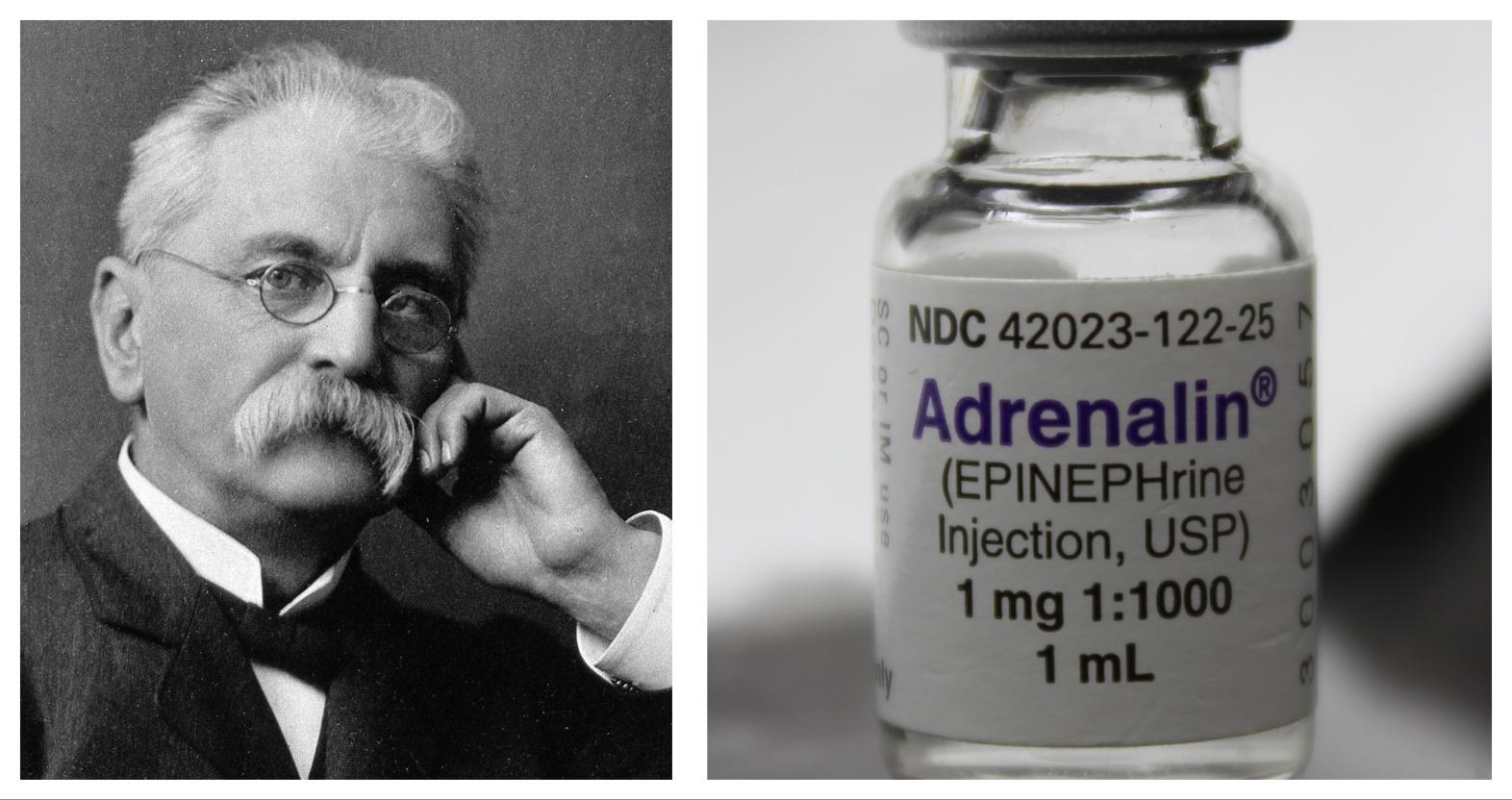
The Harrogate we all know and love is renowned for its Victorian spa heritage, charming café culture and beautiful gardens. Yet beneath the surface lies another story that often goes untold: a history of scientific discovery, medical breakthroughs and technological innovation. In a four-part series Ophelia Procter reports on some of the remarkable Harrogate people behind historical scientific developments.
Isn't it amazing to think that every piece of medical knowledge we now consider "common knowledge" had to be discovered by someone first? And, often, some of the biggest breakthroughs happen almost by accident.
One such story begins with Harrogate physician George Oliver, pictured above.
In the late 19th century, Dr Oliver became fascinated by the idea of "organotherapy" – the belief that organs produced substances that affected the rest of the body. Today, we know these substances as hormones, but at the time, scientists were only just beginning to understand how organs communicated with one another.
Rather than relying solely on laboratory animals, Oliver reportedly enlisted members of his own family in his investigations. Using homemade instruments, he measured changes in their arteries after administering extracts of these "substances" taken from animal organs. Modern ethics committees would almost certainly have something to say about the arrangement, but Victorian science often relied on a healthy dose of enthusiasm and improvisation!
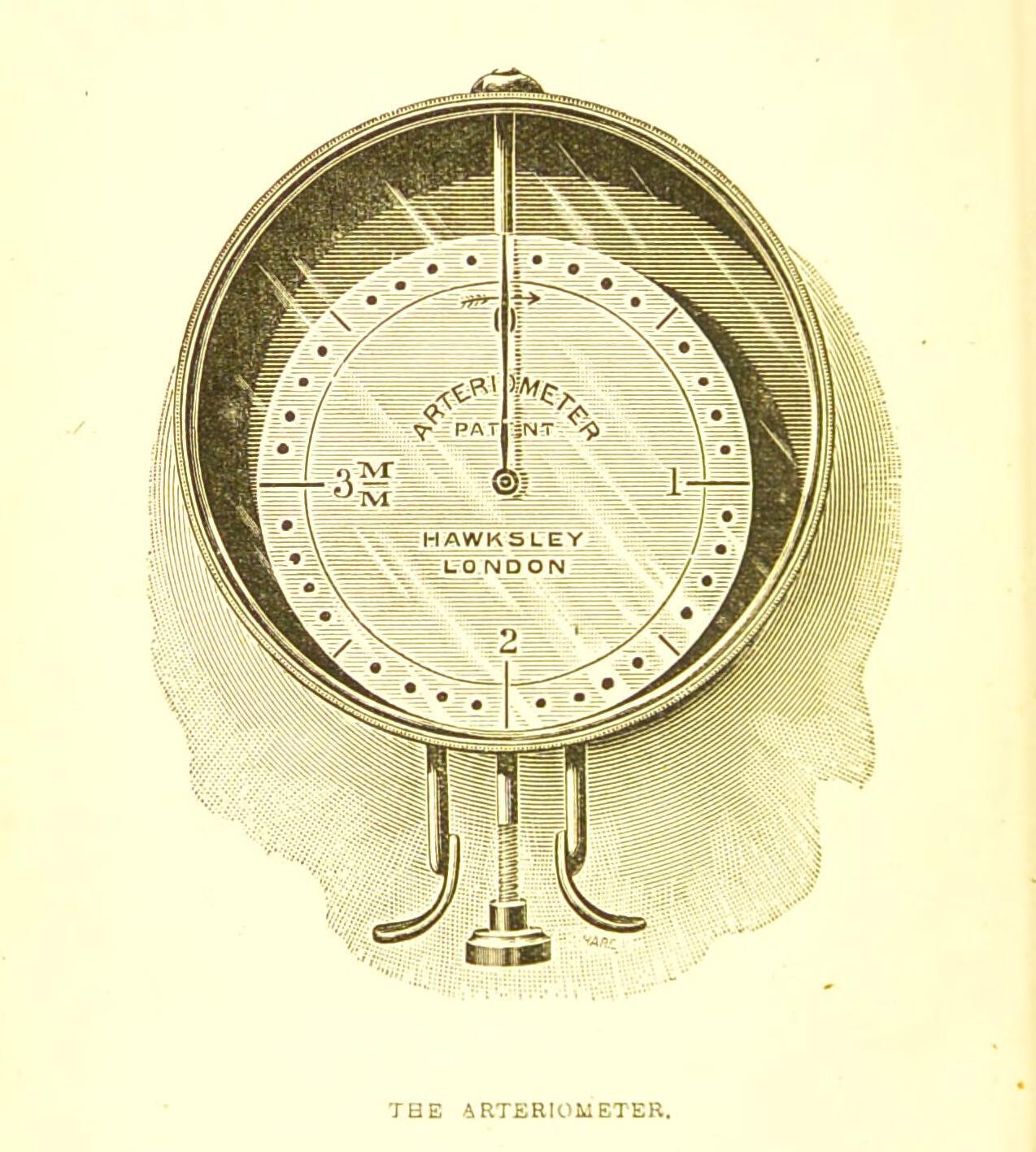
An arteriometer, which measures artery diameter.
In fact, Dr Oliver's first experiments appeared to show that swallowing adrenal extracts caused measurable changes in blood vessels. We now know this shouldn't have happened because adrenaline is broken down in the digestive system. Yet this ‘false positive’ prompted Oliver to continue investigating, eventually leading him towards discoveries that would prove genuinely revolutionary.
His curiosity eventually led him to collaborate with leading physiologists of the day, including Edward Schäfer, who agreed to test Oliver's theory in a laboratory setting. The results were immediate and dramatic. When the adrenal extract was injected directly into the bloodstream, blood pressure rose sharply.
For the first time, scientists had clear evidence that the adrenal gland produced an extraordinarily powerful chemical messenger.
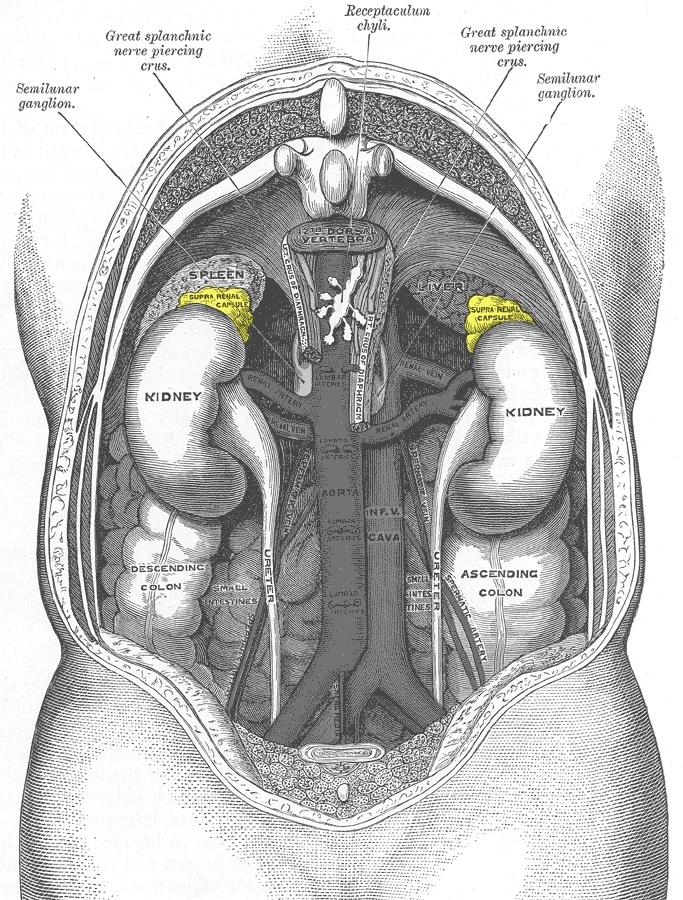
A historical Gray's Anatomy illustration highlighting the adrenal glands.
Adrenaline, we now know, is responsible for the body's famous "fight-or-flight" response. Whether you're running from a bear, standing at the edge of a skydive, sitting an exam or preparing for a first date, it is this tiny chemical messenger that triggers the cascade of changes responsible for your pounding heart, sweaty palms and heightened awareness – all part of a survival response (although first dates are rarely quite that dangerous).
More than a century later, adrenaline remains one of medicine's most important drugs. It is the life-saving medication found in EpiPens and is routinely used by healthcare professionals during medical emergencies.
Not bad for a discovery that began with a doctor, a homemade blood-pressure monitor and a very willing family.
As it turns out, uncovering the secrets of the human body wasn't the only world-changing innovation taking place in Harrogate. Tomorrow, I'll be taking a look at the Harrogate inventor who helped light Victorian Britain.

0