Subscribe to trusted local news
If you are accessing this story via Facebook but you are a subscriber then you will be unable to access the story. Facebook wants you to stay and read in the app and your login details are not shared with Facebook. If you experience problems with accessing the news but have subscribed, please contact subscriptions@thestrayferret.co.uk. In a time of both misinformation and too much information, quality journalism is more crucial than ever. By subscribing, you can help us get the story right.
- Subscription costs less than £1 a week with an annual plan.
Already a subscriber? Log in here.
17
Aug
Reader's letter: Why our rural communities need more affordable housing
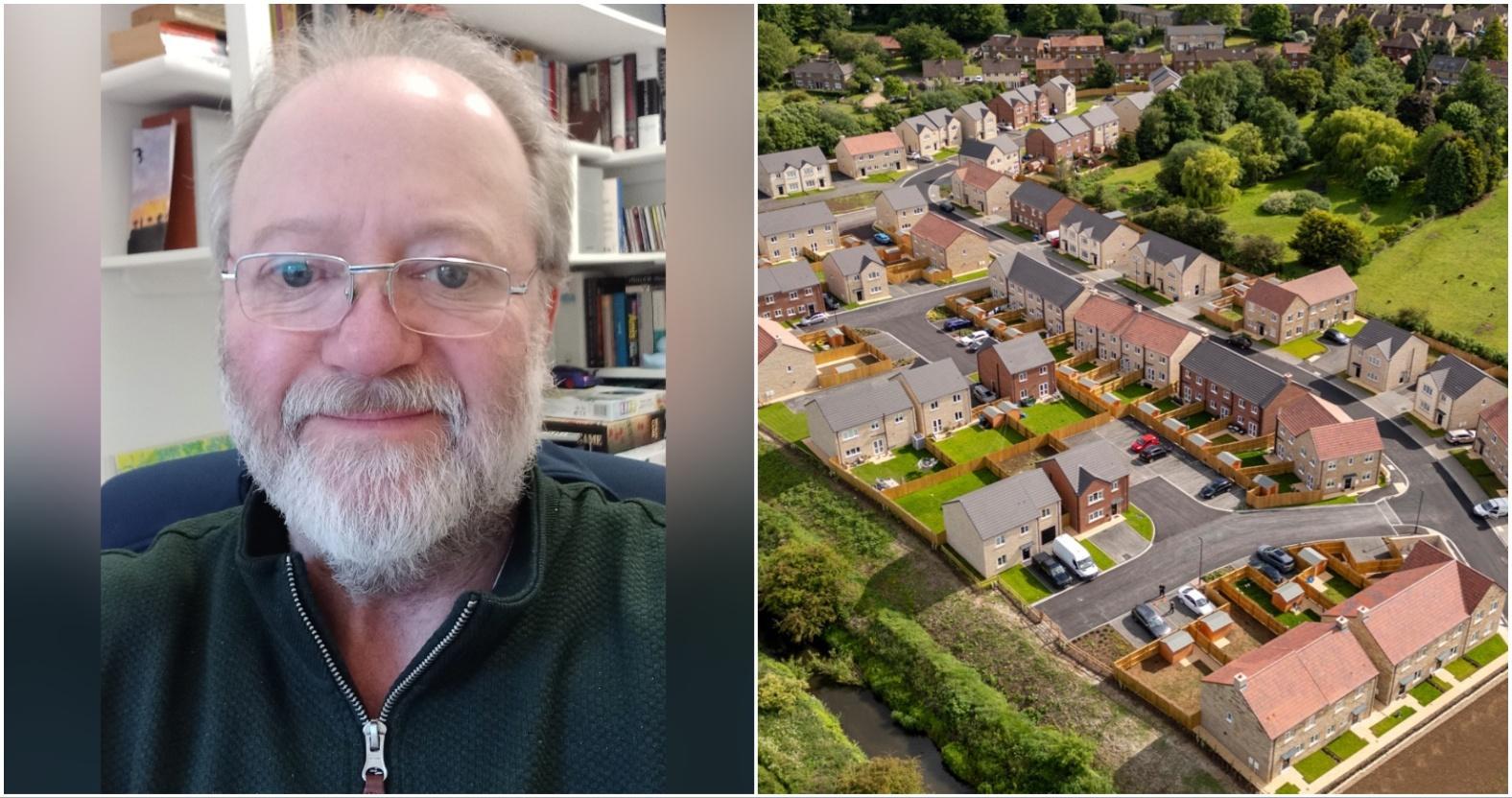
Ripon resident David Ingham sent us this letter in response to our article last weekend, Explained: What is affordable housing and how is North Yorkshire tackling the shortage?. Mr Ingham is chair of Uredale Community Partnership's housing working group.
The Stray Ferret’s recent explanation of “affordable housing” raises an important question: affordable to whom?
In North Yorkshire, too many young people, families and people working in our local economy simply cannot afford to buy or rent a suitable home. Calling a property “affordable” because it is offered at a percentage below market rent does not necessarily make it affordable to someone on a local wage.
We need to start talking about truly affordable housing.
This was one of the important themes emerging from the Rural Housing Conference held at Ripon Cathedral in June. The conference demonstrated both the scale of the challenge facing rural communities and the opportunities to do things differently.
Housing is not just about bricks and mortar. It is about whether our communities have a future.
A young family able to remain in their village means children in the local school, customers for local shops and volunteers for community organisations. A worker who can afford to live close to their job helps local businesses recruit and retain staff. An older resident able to move into a suitable smaller home can release a family house for another household.
Getting housing right can rejuvenate rural communities.
There are already examples of communities taking matters into their own hands. Community Land Trusts and other community-led housing organisations can identify local needs, bring forward suitable sites and work with councils and housing associations to provide homes that remain affordable for local people.
The Upper Dales Community Land Trust provides a particularly good example. It converted a former Methodist chapel in Bainbridge into two affordable homes, working with North Star Housing Group. Only two homes, perhaps — but two households able to remain within their community.
Imagine that approach repeated across dozens of North Yorkshire villages.
We also need to recognise that housing policy is economic policy. Local employers cannot recruit care workers, hospitality staff, teachers, skilled workers and other employees if those people cannot afford to live within reasonable travelling distance.
North Yorkshire therefore needs more than housing numbers. We need to ask what homes are being built, where, for whom, and whether they will remain affordable in the long term.
That means more social rented housing, greater support for Community Land Trusts, community-led schemes and rural exception sites, and closer cooperation between North Yorkshire Council, the York and North Yorkshire Combined Authority, housing associations, Homes England and local communities.
And truly affordable homes should also be energy efficient. Affordable housing should mean affordable to live in, not simply affordable to rent.
The Rural Housing Conference in Ripon showed that there is no shortage of ideas or commitment.
Now we need to turn those ideas into action.
If we want North Yorkshire's villages and market towns to have thriving schools, businesses, shops and community organisations in another generation, we must give young people and families a realistic opportunity to remain here.
Truly affordable housing isn't a cost to rural communities. It is an investment in their future.
David Ingham

2