Thank you for your interest in this story
To continue reading this article, subscribe to the Stray Ferret for as little as £1 a week
Already a subscriber? Log in here.
29
Aug
The summer holidays made me panic — here is how I got organised
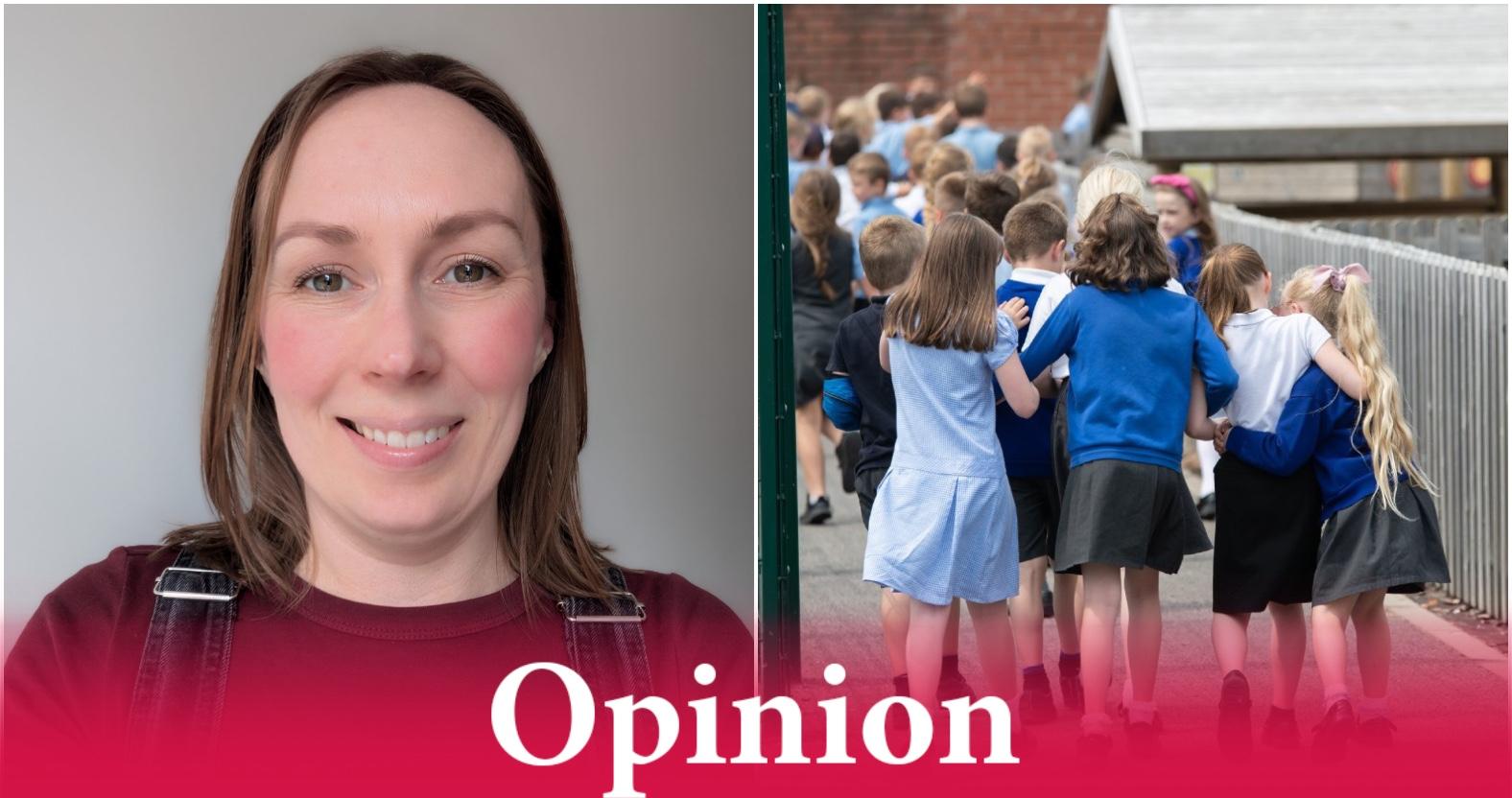
Vicky Carr is a journalist turned writer who grew up in Harrogate and returned in her late 20s to raise her family here. Find her on Instagram @vickycarrwrites.
If you’re anything like me as a parent, you spent most of June saying: “I think we’re all ready for the holidays.”
And about now, you’ll be telling people: “We’re all ready for a bit of routine.”
Every year. Without fail.
The summer holidays make me feel slightly panicky – and I say that as someone who is self-employed deliberately so I can have time off with my children when school is closed, because most employers don’t offer 14 weeks’ annual leave.
Even so, I ended the summer holidays last year feeling like I was about to have a breakdown. I was exhausted – I actually fell asleep on the floor of Harrogate library for about 45 minutes in mid-August. (I wish I was exaggerating.)
I went to the doctor who, after testing for various ailments, told me: “I think you’re just tired.”
The juggle of keeping two children entertained, thinking of decent meals to feed them every day, resisting the constant requests for snacks, coordinating diaries with other parents so they can see their friends, not breaking the bank with expensive days out, and still having a smile on my face at the end of it was simply beyond me.
So this year, I decided to be organised.
Child on his way to school.
I made a huge wall chart with a week-by-week plan of the summer holidays. It detailed the days when the children were seeing friends, visiting grandparents and going to various clubs, as well as when I could squeeze in small windows of working time.
Having done that in June, I felt a bit better about the looming prospect of seven weeks off school. Then my youngest decided to improve the chart with marker pens, and my sense of control began to slip.
Nevertheless, we have stumbled our way to the final week of the holidays and managed to enjoy ourselves quite a bit too. It has to be said, however, we’re all ready for a bit of routine.
Imagine, though, if going back to school was not the relief it is for many of us. Imagine if it brought not just first-day nerves, but daily stress and anxiety – perhaps enough to prevent attendance at all.
That’s the reality facing many families whose children are autistic. Not only may they struggle to get their children to the school gates in the morning, they then face emails and calls from the school about difficulties their offspring experience during the school day, from behavioural issues to emotional dysregulation.
Of course, that’s not the experience of school for all children with autism. Some absolutely thrive, growing and developing with just the right support from their teachers.
But what happens when, with the best of intentions, you’ve chosen a mainstream school for your child, only to find it’s not the right fit? Or when you found there simply weren’t any places available at a suitable special school?
A badly needed school
Some feel there’s no option but to educate their child at home – an incredible undertaking for parents who, in most cases, are not qualified teachers, and who have up to that point been holding down paid jobs.
Others fight on to keep their child in school, hoping that some classroom education – no matter how stressful for all – is better than none, and that a more suitable option may become available in future.
So the news in 2022 that the former Woodfield Primary School site was to be repurposed as a specialist school for children with autism must have been immensely welcome among dozens, if not hundreds, of families locally.
It was badly needed – yet it has taken four years to reach the point where it is almost ready to open. In that time, demand has only grown further.
There are reasons why it takes time to open a new school. As well as the practical aspects of adapting the old primary facilities, an academy had to be found to run the school. Decisions had to be made about role numbers and curriculum, as well as all the peripheral requirements like lunches and transport.
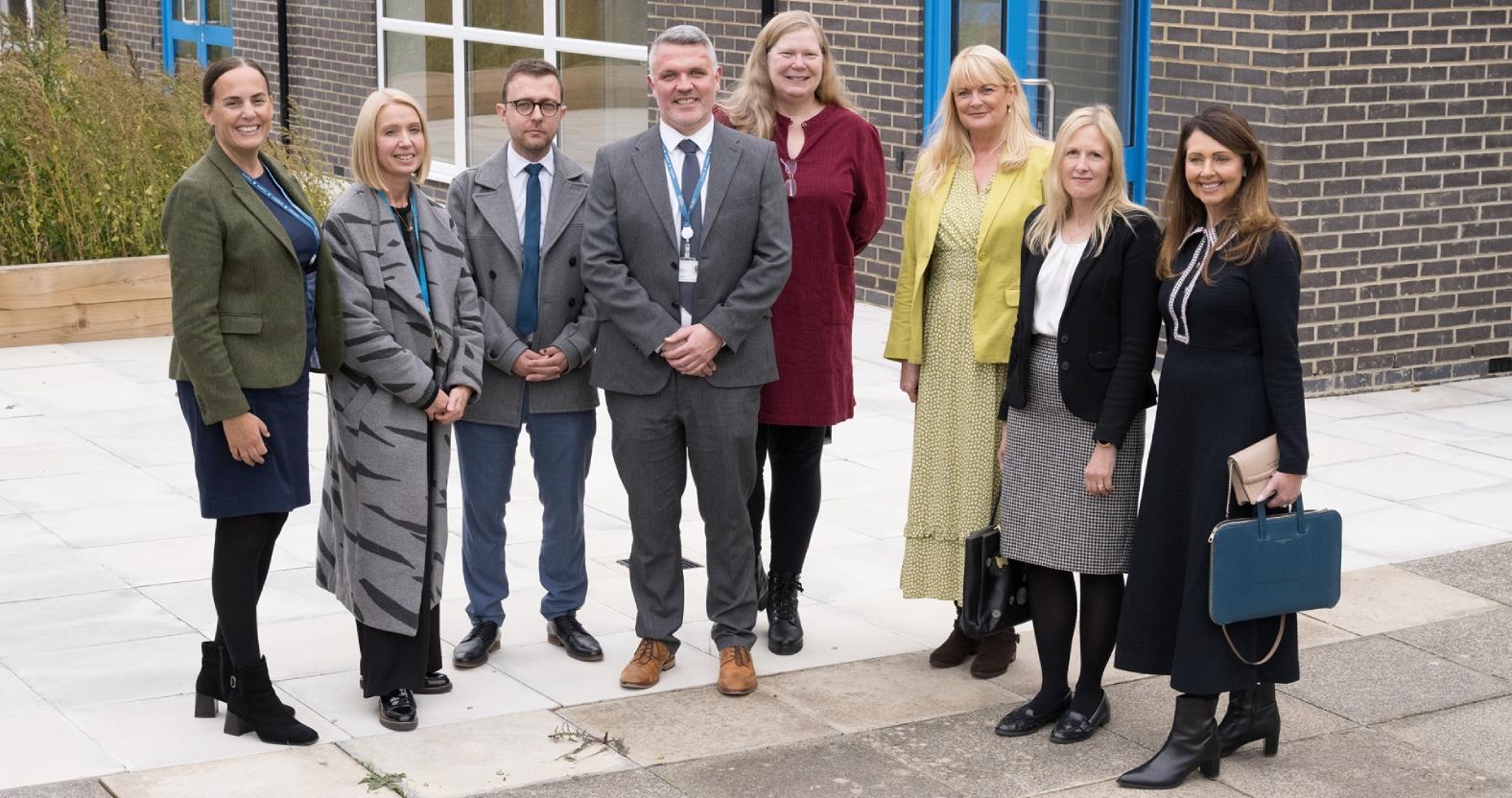
Representatives of the Department for Education, North Yorkshire Council, and Lighthouse School Leeds outside the school site last year.
But four years? It seems like an insane amount of time to me, let alone to a desperate parent.
Meanwhile, a generation of young people is being let down. We only get one chance at an education, and many children have seen theirs slipping away as they struggle on in the wrong setting.
Children who were just starting secondary school in September 2022 are now going into year 11, about to sit their GCSEs and make decisions about their future. That’s four years of struggle and uncertainty – time and opportunity that they won’t get back.
And the impact continues beyond 18: research suggests that a huge proportion of people in prison have undiagnosed neurodivergence. Imagine the benefit we could all reap if those children – no doubt often labelled ‘naughty’ in the classroom – had been given the right attention and support at the crucial moment. Imagine if we were able to do that now, for a new generation.
Lighthouse School, as it will be known, is expected to open initially for children in years 7 and 8, before expanding to other year groups. This won’t happen until November – a further eight weeks’ wait for those lucky enough to secure a place.
My heart goes out to children going into year 9 who have been crying out for help for the last two years in mainstream secondary education. They will just miss out this year, and it’s not yet known whether places will open for them as they grow older, either.
The slow progress of opening this school has let so many children down already. We can only hope it will become a sanctuary to those who attend and a launchpad for them to reach their potential – and that those who have missed out will find the support they need elsewhere.

0