Thank you for your interest in this story
To continue reading this article, subscribe to the Stray Ferret for as little as £1 a week
Already a subscriber? Log in here.
06
Sept
Exploring Knaresborough and Harrogate with a guidebook from 1789
Imagine Harrogate without Valley Gardens, Bettys and the Stray.
Or Knaresborough without the Nidd viaduct, Blind Jacks or the bed race.
None of these existed when the area’s first guidebook was published in 1769.
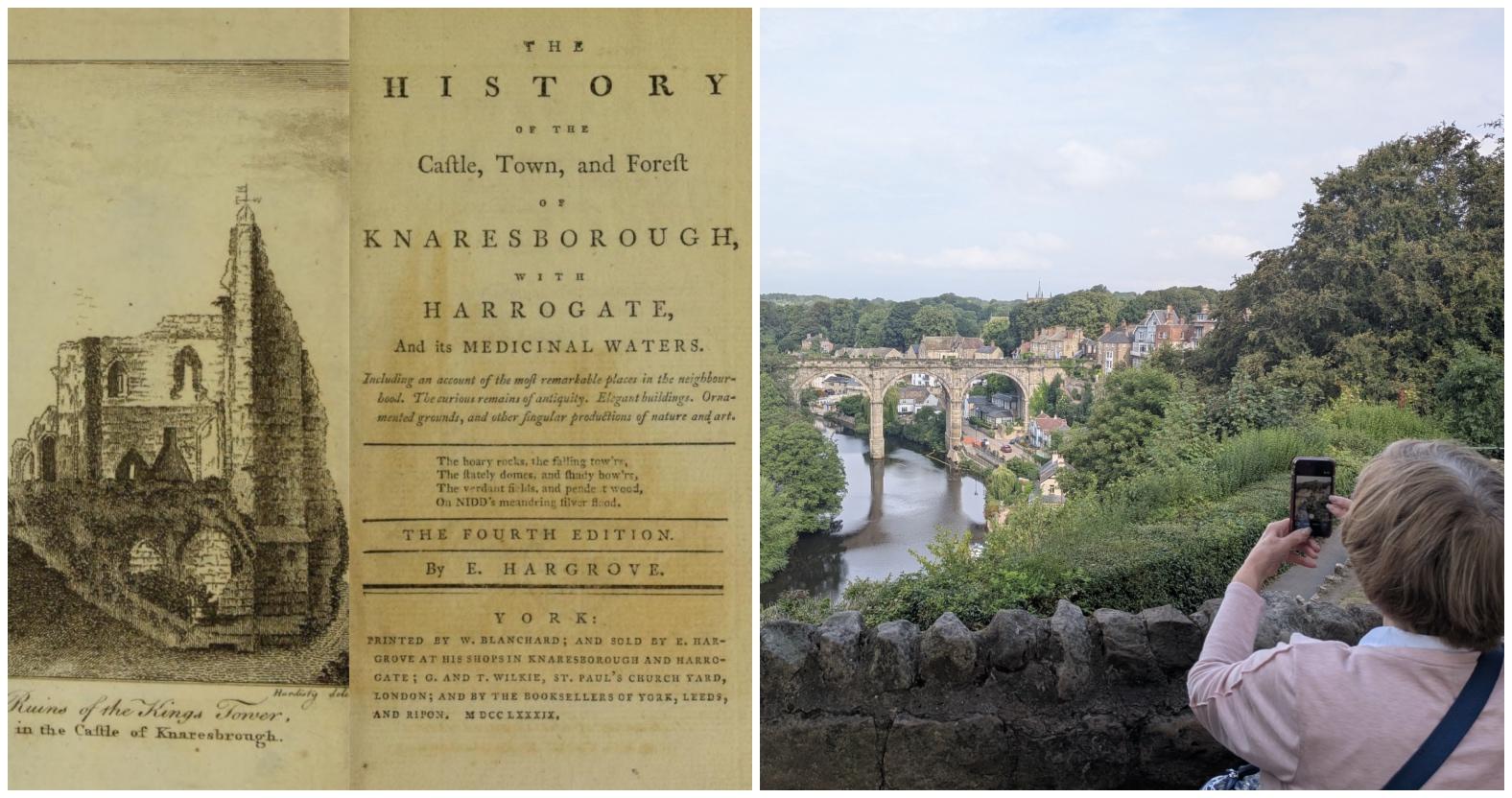
Halifax-born publisher Ely Hargrove sold copies of ‘The History of the Castle, Town and Forest of Knaresborough with Harrogate, and Its Medicinal Waters' in his bookshops in both Harrogate and Knaresborough.
I took a copy (or to be precise, a copy on my phone) around the two towns to see what had changed and what is still recognisable. It was the fourth edition, published in 1789.
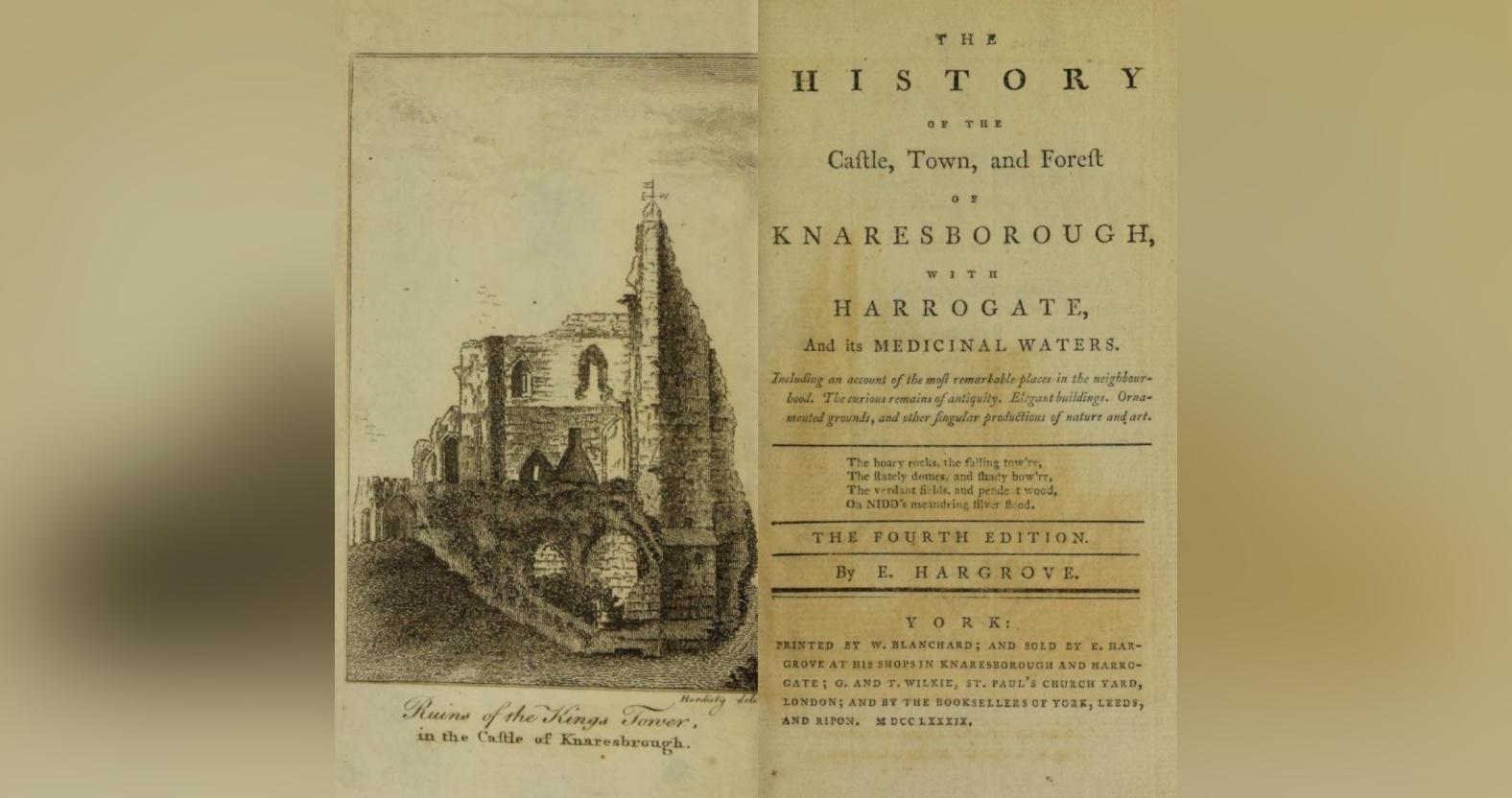
The History of the Castle, Town and Forest of Knaresborough with Harrogate, and Its Medicinal Waters, by Ely Hargrove.
Knaresborough
In those dim and distant days, Knaresborough was actually the larger of the two places and it gets top billing in the book.
Hargrove, who also lived there, was clearly a fan of K-Town. He wrote: “There are several very good inns, a spacious market place and near market crofts built by the inhabitants in 1719. The market is on Wednesdays, and plentifully supplied with every kind of provisions.”
I arrived on Wednesday morning this week. The market is still here, of course. Like many market towns, it stakes a claim to have the oldest in the country. Provisions are still available, but differ slightly. As well as fruit, veg, meats and cheeses, there is everything from double A batteries to duvet covers. Cherry vape clouds wafted through the air to remind myself that I was in 2026.
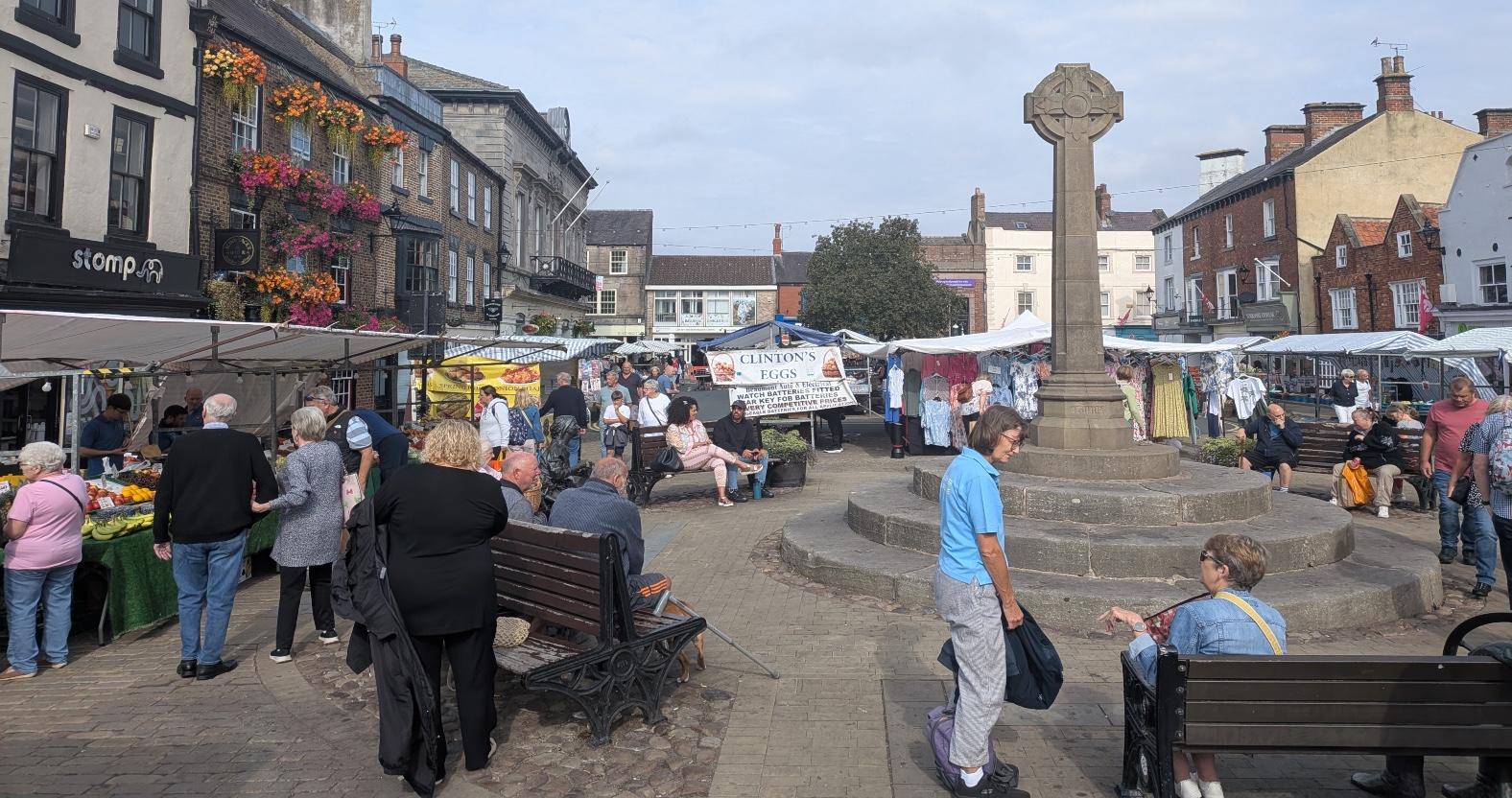
Knaresborough Market. Picture: Thomas Barrett.
Knaresborough has always been proud of its many pubs. There are still a few around from Hargrove’s day. One of those is the Commercial Inn on the High Street, formerly the Borough Bailiff. The Sam Smith’s owned-pub has stood like an empty tomb on the High Street for years.
But since the feared Humphrey Smith died in June, there are signs it could finally be brought back to life. There is now a blue banner hung up outside inviting would-be publicans to put the Commercial back into the heart of the community.
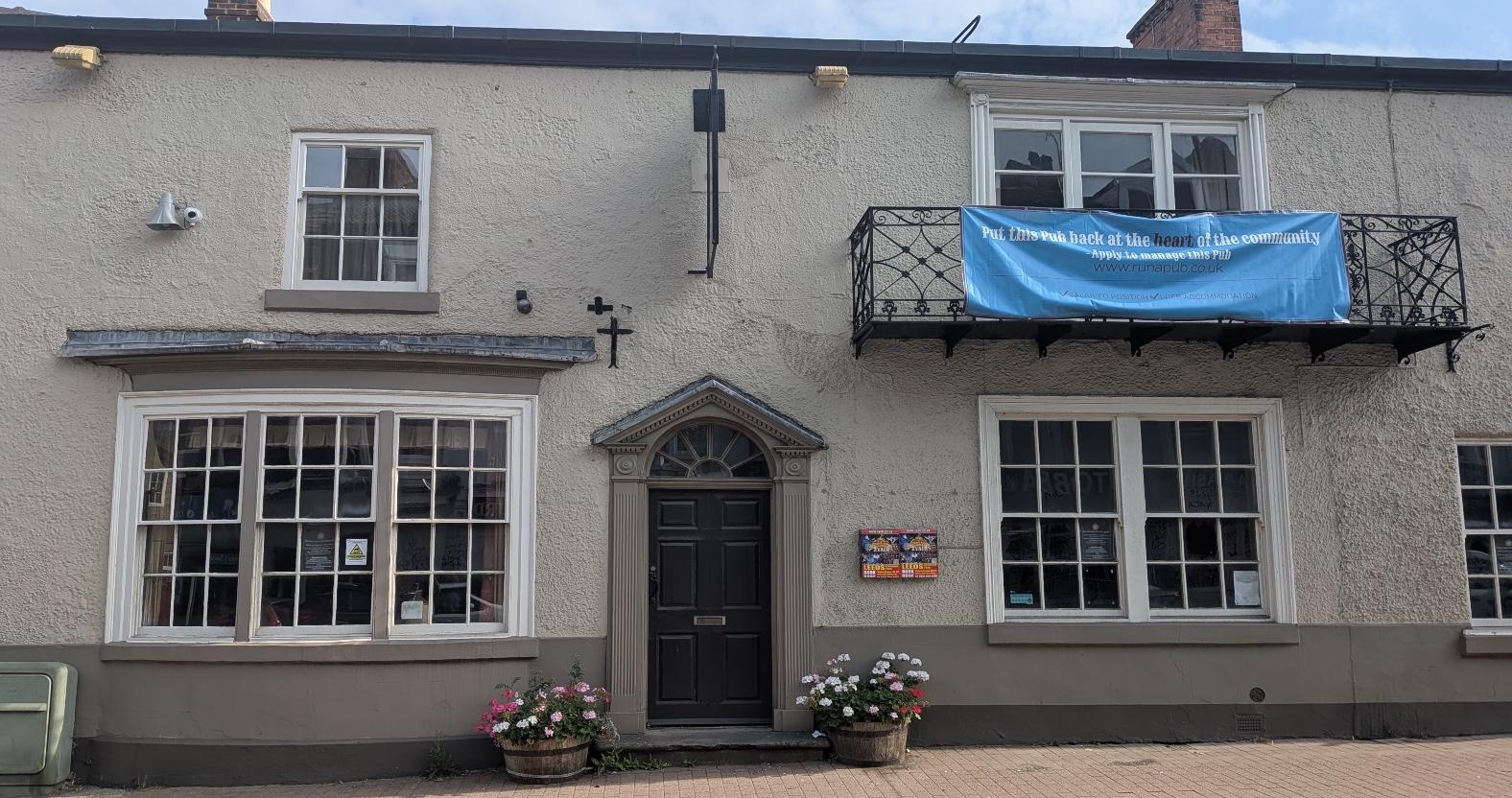
The Commercial Inn building in Knaresborough. Picture: Thomas Barrett.
I cut back across the market square, bought a pork pie in Appletons (I don’t want to imagine a Knaresborough without Appletons), and made my way to the castle.
Hargrove evocatively describes the ruined fortress as the “mouldering remains of pride and dominion”. The castle is crumbling but still towers proudly over the Nidd. He wrote:
The eye is relieved and the mind cheered by the romantic beauties of the adjacent vale, a delicious composition of enclosures, woods and rocks.
People have loved looking out from this spot for centuries. Where visitors might have once used mere words to describe how the sight made them feel, most make do today with camera phones, and it’s probably the most popular Instagram spot in the district.
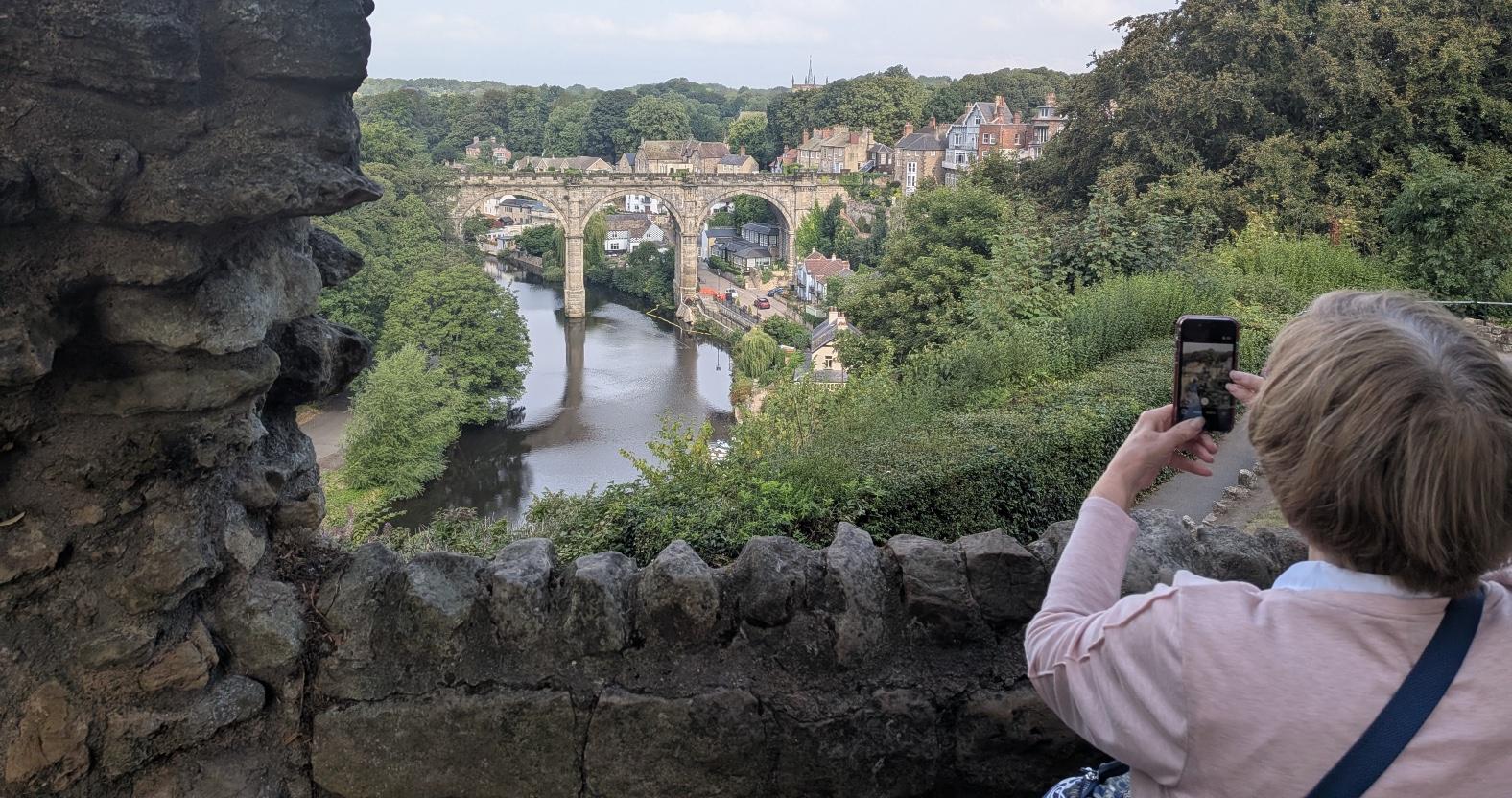
Looking over the Nidd and viaduct in Knaresborough. Picture: Thomas Barrett.
High Harrogate
When the guidebook was published, Harrogate was split into two villages, High Harrogate and Low Harrogate.
High Harrogate was around the area where the Empress roundabout is today.
There were probably just a couple of hundred permanent residents, if that. However, since William Slingsby first discovered water in 1571, word spread about the restorative powers of drinking and bathing in Harrogate, which led to a tourism boom.
Grand inns and hotels were built to welcome the well-to-do and they came in their droves to sample our water of life.
Hargrove wrote:
Harrogate during the summer months, is a great resort of nobility and gentry, from all parts of Great Britain and Ireland, who come here to drink the waters for which Harrogate is so deservedly celebrated; nor can any part of Great Britain boast a more healthy situation, or a purer air.
Inns included the Granby, now a care home, and the Queen’s Head , now the Cedar Court hotel. Before the Queen’s Head opened in 1687, Hargrove wrote that water tourists would lodge in the cottages and farm houses that were nearby.
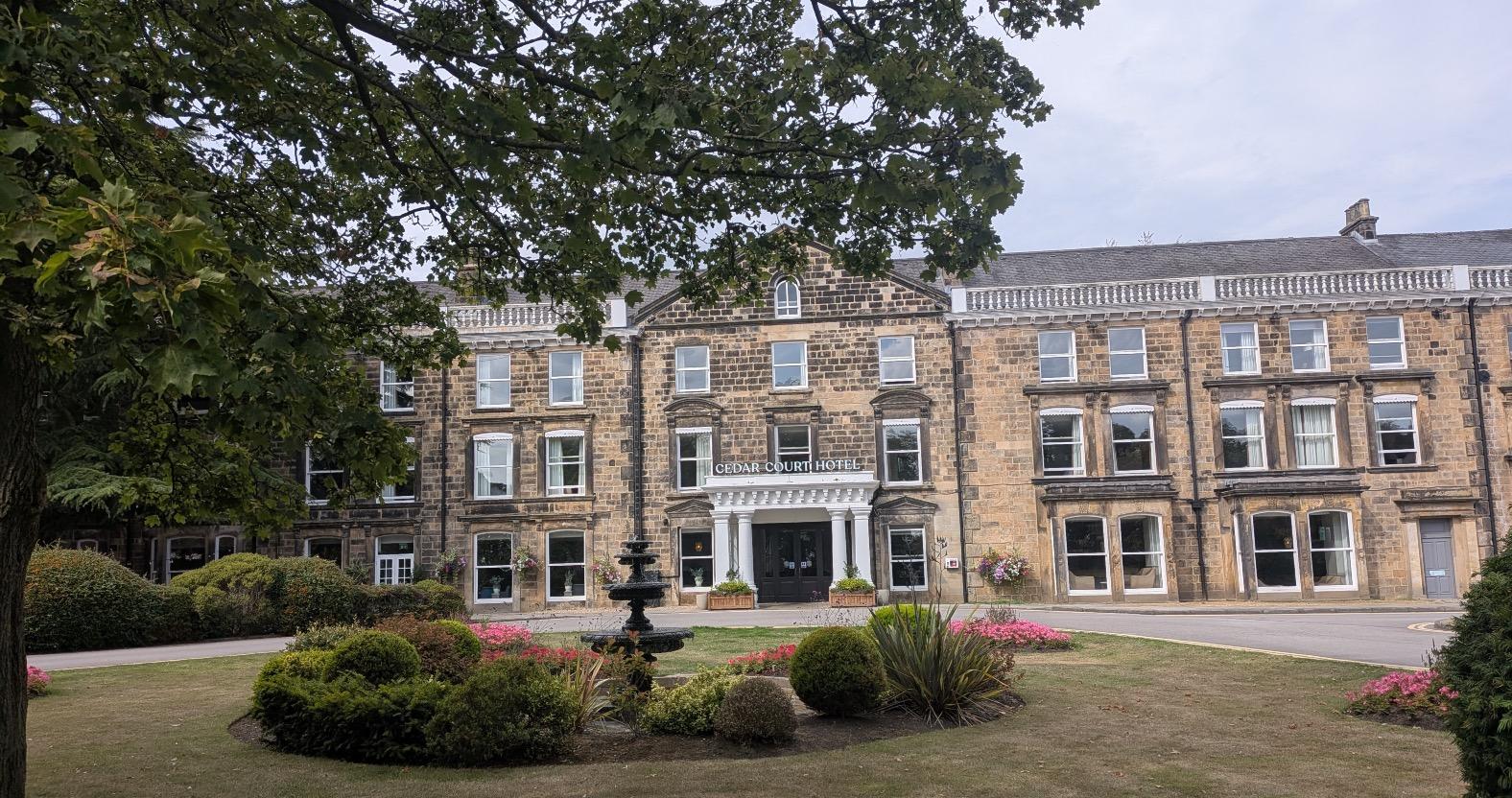
Cedar Court in Harrogate. Picture: Thomas Barrett.
He described how the four working wells were frequently emptied into large tubs containing many gallons a piece.
The water was then carried to inns like the Queen’s Head. He said: “The inns being at some distance from each other, their respective lodgers form different societies, and live in the most social and agreeable manner.”
According to Hargrove’s book, High Harrogate was centred around St John’s Well, which stands awkwardly next to Wetherby Road on the Stray today.
After the Tewit Well, it was the second water source to be identified in the area. Most motorists probably drive past today without giving it a second thought, if they notice it at all.
It’s sadly neglected and there was a piece of paper stuck on the door informing the previous tenant that the locks have been changed, presumably for non-payment of rent. I cupped my hands to peer into the window and saw a mound of letters on the floor inside.
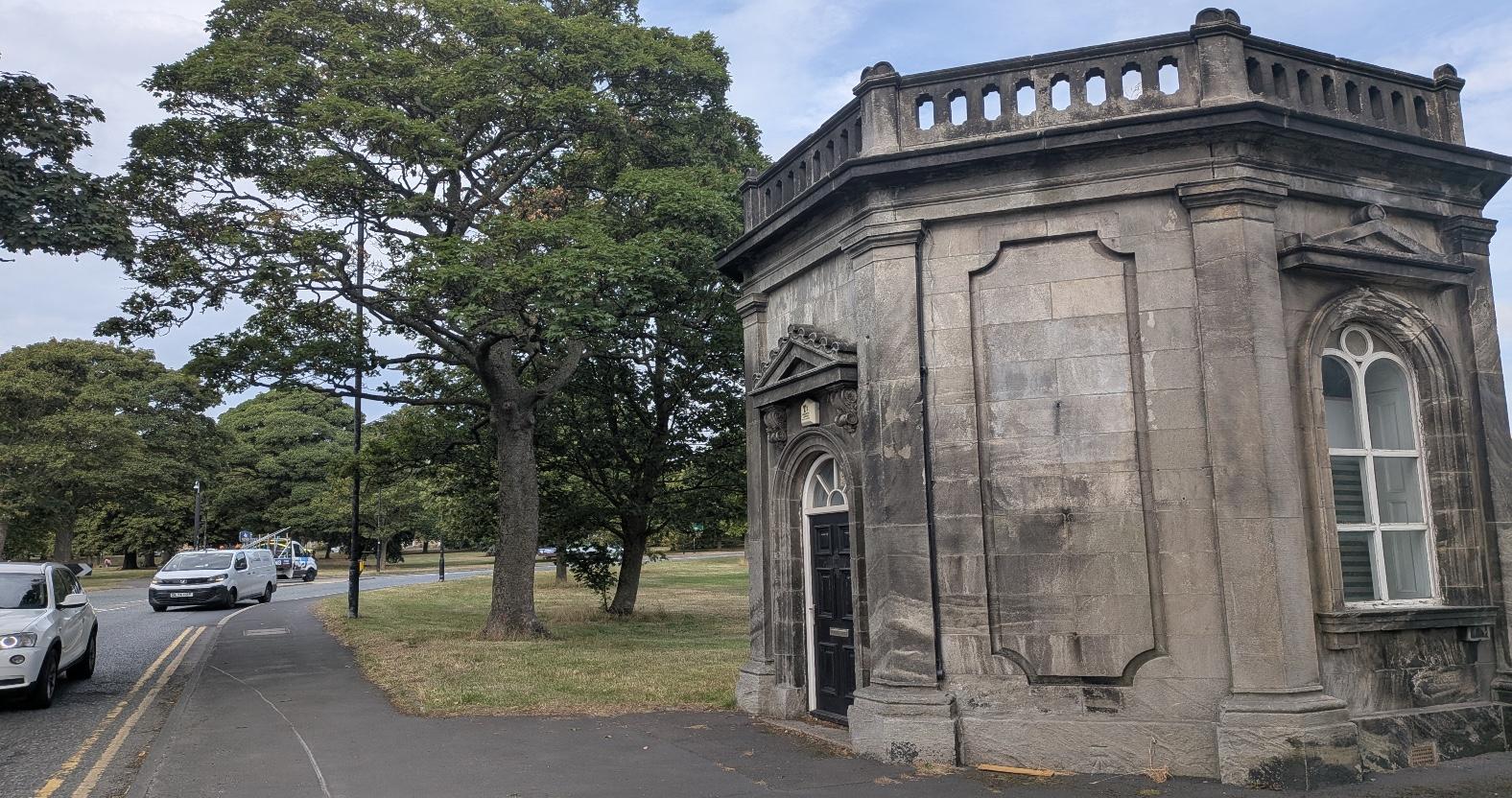
St John's Well on Wetherby Road in Harrogate. Picture: Thomas Barrett.
Low Harrogate
From here, it was a walk across The Stray to the former Low Harrogate. I looked up Otley Road towards Harlow Hill, which Hargrove wrote had recently been planted with fir trees which were now “growing apace”. He said they form a “very pleasing object on the summit of this once sterile mountain".
Valley Gardens today might be peak Harrogate. There are manicured flowerbeds and a variety of colourful plants with trees in different shades of green.
But Hargrove writes about the area being simply a bog that had been formed by rotting wood. He said:
The earth of the rotten wood is in some places four feet in thickness, and there is a stratum consisting of clay, and small loose decaying sandstones, everywhere under it.
It would be another 100 years before the Valley Gardens were laid out to commemorate the golden jubilee of Queen Victoria.
The marshy ground Hargrove described sits in the upper section of Valley Gardens, where the children’s play area and tennis courts are today. There were once 36 individual mineral springs that bubbled up to the surface. It’s one of the densest concentrations of unique mineral wells in the world.
I have been coming to the Valley Gardens since before I learned to walk but it still has the ability to surprise. Today, a circus had rocked up to entertain children on their summer holiday, which was a new sight for me.

0