Thank you for your interest in this story
To continue reading this article, subscribe to the Stray Ferret for as little as £1 a week
Already a subscriber? Log in here.
31
Aug
Harrogate's historic innovators: The first female doctor in Yorkshire
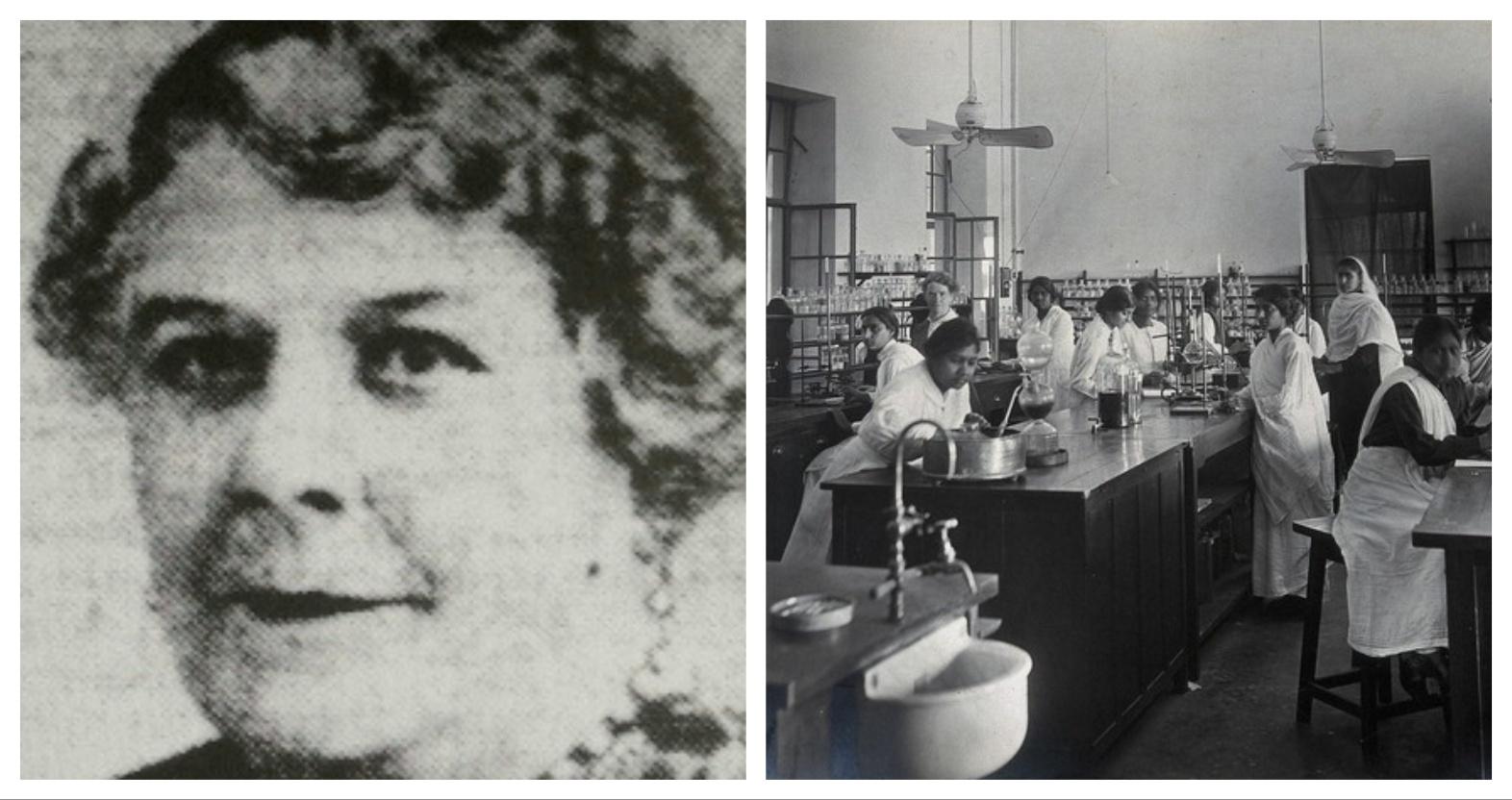
In the final part of her series looking at Harrogate innovators who've made a difference, Ophelia looks at the remarkable life of Dr Laura Sobey Veale, who overcame considerable prejudice to become Yorkshire's first woman doctor.
In 1897, a 29-year-old woman wrote to the Leeds School of Medicine to ask a simple question: why, having already completed two sessions there as a student, could she not continue? The school's answer was that it would be "impossible."
The Leeds Mercury published letters of complaint about her treatment. It made no difference. Less than three decades earlier, women hadn't been allowed into university lecture halls at all, and they wouldn't get the vote for another 21 years.
But Dr Laura Sobey Veale would spend the rest of her career proving the word "impossible" wrong.
Laura was raised in and around Harrogate, in a family for whom medicine was less a career than an inheritance – her father was a practising physician, and both her brothers would go on to become doctors too. But a girl's schooling in this period simply didn't cover the science that a medical school expected, and Laura found herself short of the qualifications she needed even to apply. Her solution was a quietly audacious one: she persuaded the headmaster of a local boys' school in Harrogate to let her sit in on his sixth-form science classes, just to catch up on everything the boys around her had already been taught for years.
It wasn't enough to get her through the door at Leeds. So she went further afield, winning a place at the London School of Medicine for Women, then associated with the University of London. She completed her clinical training at the Royal Free Hospital, qualifying in 1904 at the age of 37, the first Yorkshire-born woman ever to become a doctor.
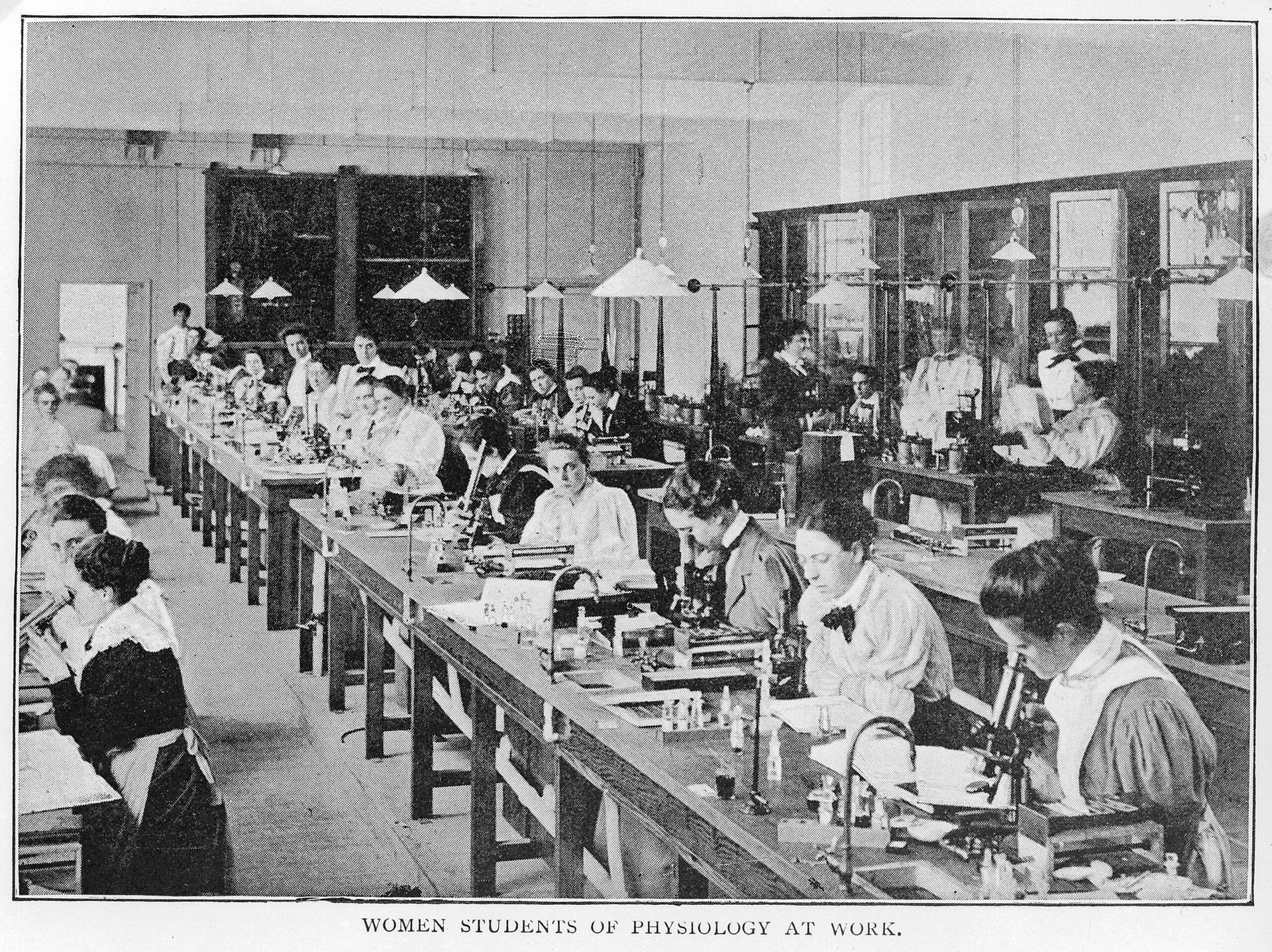
The London School of Medicine, Physiology Laboratory, 1899 Credit: Wellcome Library, London.
After qualifying, she went straight home to Harrogate to start practising – only to discover that being qualified and being welcomed were two very different things.
Imagine a hospital that refuses to admit pregnant women – not for complications, not even emergencies. Sounds crazy, right? Yet that was the standing rule at Harrogate Infirmary for much of the early 20th century – a rule Dr Laura Veale would spend the next 25 years battling to overturn. She opened her own dispensary at New Park – barely more than a consulting room at first. It grew steadily, eventually becoming the foundation of what became Harrogate Infirmary's Women and Children's Department.
By 1913, her work had earned her a formal post as the hospital's gynaecologist – yet the same hospital still wouldn't let pregnant women through its doors. So in 1916, she went around the problem entirely, by securing an appointment as physician under the new Maternity and Infant Welfare Scheme. It took another four years and a government grant before the work paid off – in 1920, one of the country's first antenatal clinics opened in Harrogate.
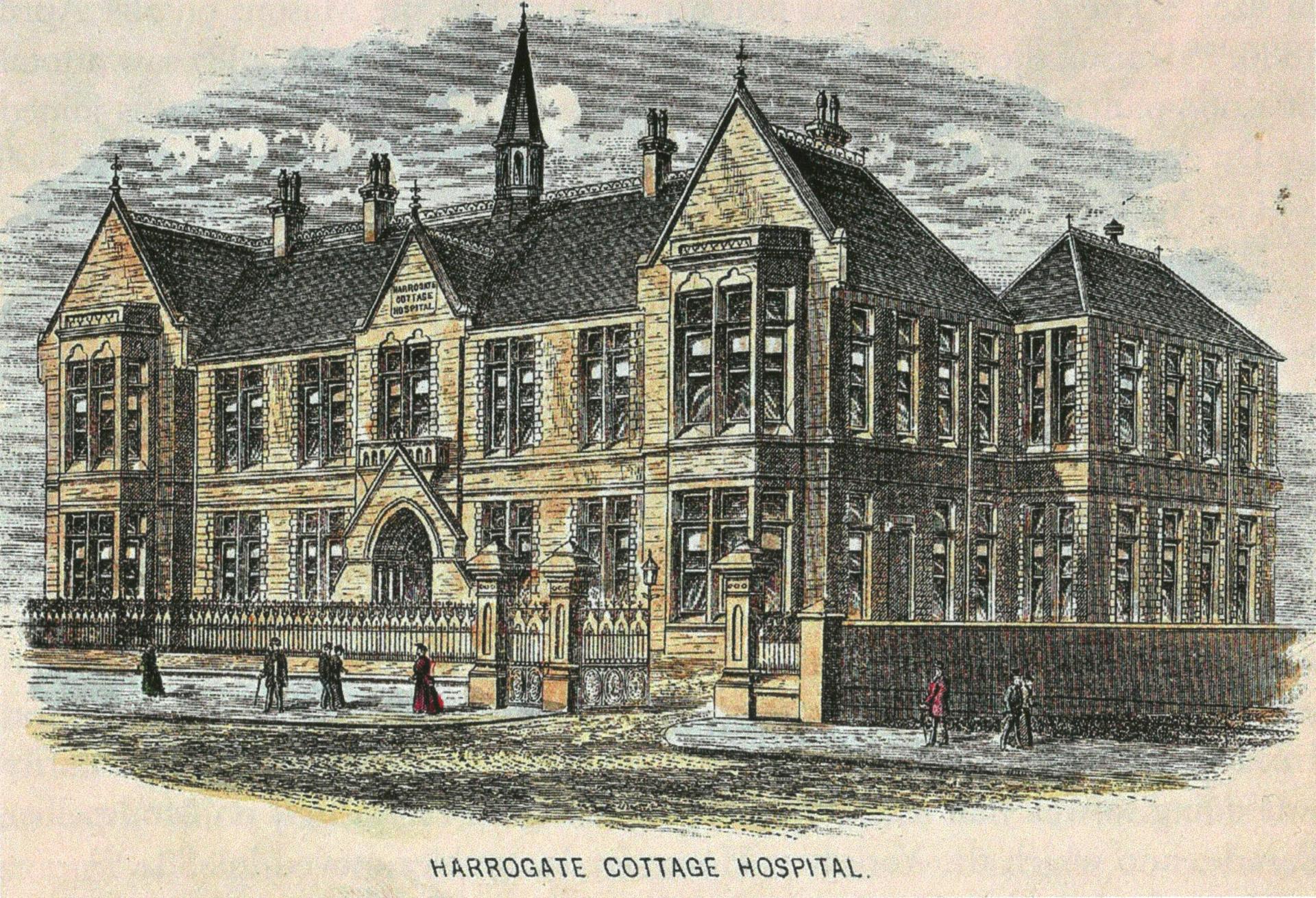
Harrogate Cottage Hospital
At the ripe age of 67, Dr Veale was promoted to consulting obstetrician at Harrogate Infirmary (that still didn't admit pregnant women). In 1937, the maternity department finally opened – a year after she retired. A bittersweet win: 25 years of fighting for it, and she never got to see the benefits herself.
Ironically, upon retiring, she was honoured by the very institution that had once tried to keep her out – the first female member of its non-nursing staff, and elected an honorary life patron "in appreciation of her services to the hospital." Arguably more impressive still: she was appointed a Fellow of the Royal Society of Medicine, representing the "provinces beyond London".
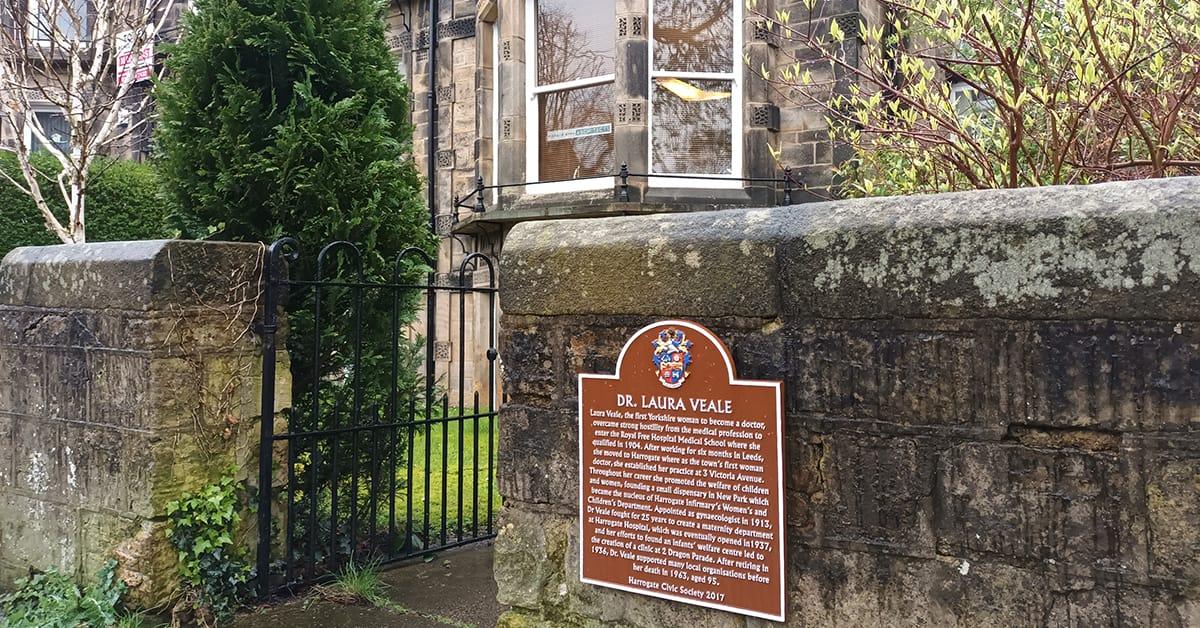
The plaque outside 3 Victoria Avenue
Veale died in 1963, aged 95, leaving behind quite a legacy. Her obituary in the British Medical Journal called her simply "a remarkable woman." Her fight was never just medical – she marched in the 1913 suffrage march through Harrogate and founded the town's branch of the National Council of Women. In 2017, more than half a century after her death, Harrogate Civic Society unveiled a plaque outside her old surgery on Victoria Avenue.
The woman once told it would be "impossible" had spent 60 years proving otherwise – for herself, and for every woman in medicine who came after her.

0